Strategic Insights into Precision Metal Fabrication & Supply Chain Resilience
In the current industrial era, the demand for Non-Standard Stainless Steel Hexagonal Bars has transcended traditional hardware. From aerospace fasteners to high-torque oil and gas components, the global market is shifting toward "Just-In-Case" manufacturing, where custom profiles reduce secondary machining costs and material waste.
Standard hex bars often fall short in specialized robotics and medical instrumentation. Non-standard profiles allow engineers to design parts with specific flat-to-flat dimensions (AF), enhanced magnetic permeability, or superior cryogenic stability, ensuring that the material serves the design, not the other way around.
The "China Factory" model has evolved. Global enterprises now seek Chinese manufacturers not just for cost, but for Information Gain—the ability to provide technical consultation on alloy selection (like 316Ti or Duplex 2205) and rapid prototyping that aligns with Industry 4.0 standards.
How Modern Chinese Factories Redefine the Stainless Steel Value Chain
China's non-standard stainless steel hexagonal bar manufacturing sector leverages an unparalleled ecosystem of upstream smelting and downstream precision cold-drawing. By integrating AI-driven thermal monitoring, factories ensure consistent grain structure and dimensional tolerances within microns. This efficiency isn't just about labor; it's about the integrated supply chain that allows for rapid shifts between AISI 304, 316L, and specialized 400-series grades.
Cross-Industry Integration of Non-Standard Hexagonal Profiles
Custom hexagonal bars are critical for high-pressure hydraulic fittings. The ability to source non-standard "Across-Flats" dimensions allows for weight reduction without sacrificing structural integrity—a key metric in modern satellite and UAV manufacturing.
In solar tracking systems and wind turbine sensors, stainless steel must withstand 25+ years of corrosive exposure. Chinese factories are now producing "Green Steel" hex bars with higher recycled content and lower carbon footprints to meet EU ESG requirements.
Precision-ground 316LVM hexagonal bars are used in orthopedic implants and surgical tool handles. The non-standard aspect often involves specialized surface finishes (Electropolished) that inhibit bacterial growth.
Beyond standard 316, the demand for Super Duplex hexagonal bars for underwater ROVs (Remotely Operated Vehicles) is surging. These materials provide the necessary torque resistance while surviving hyper-saline environments.
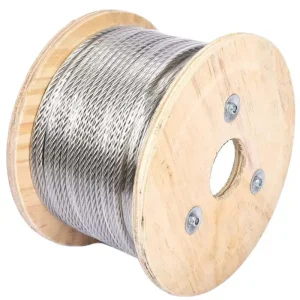
Shanghai Mei Shen Industrial Co., Ltd. was founded in 1999, is a research, production, service in one of the manufacturers. Mainly committed to the field of steel wire rope manufacturing research and development, production, sales, service, to provide customers with the latest technology, the most valuable, the most reliable products.
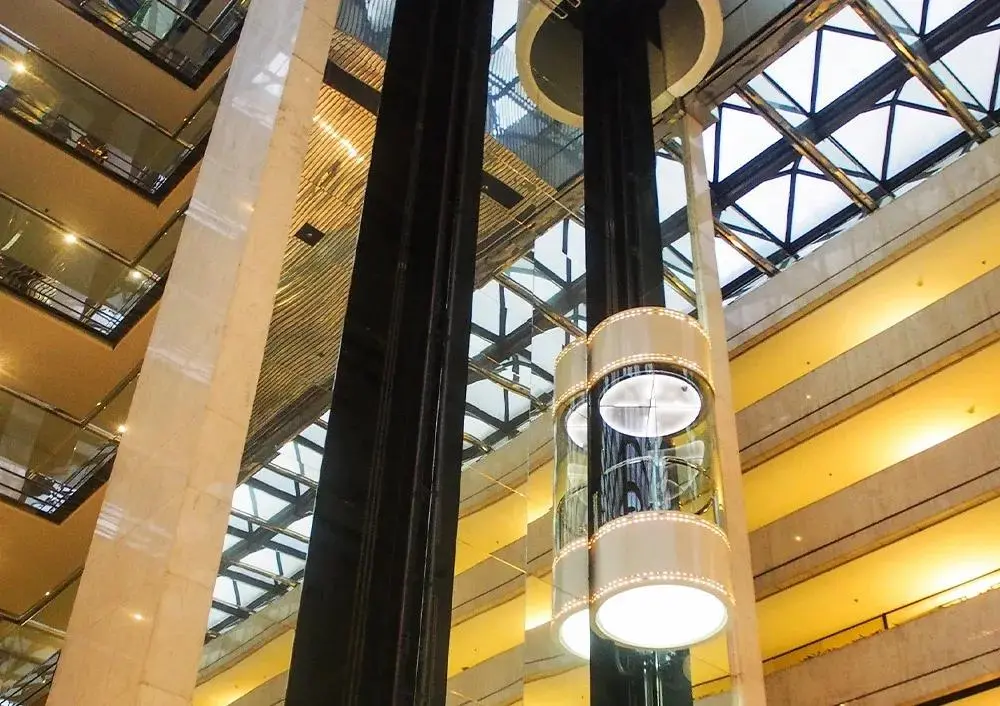
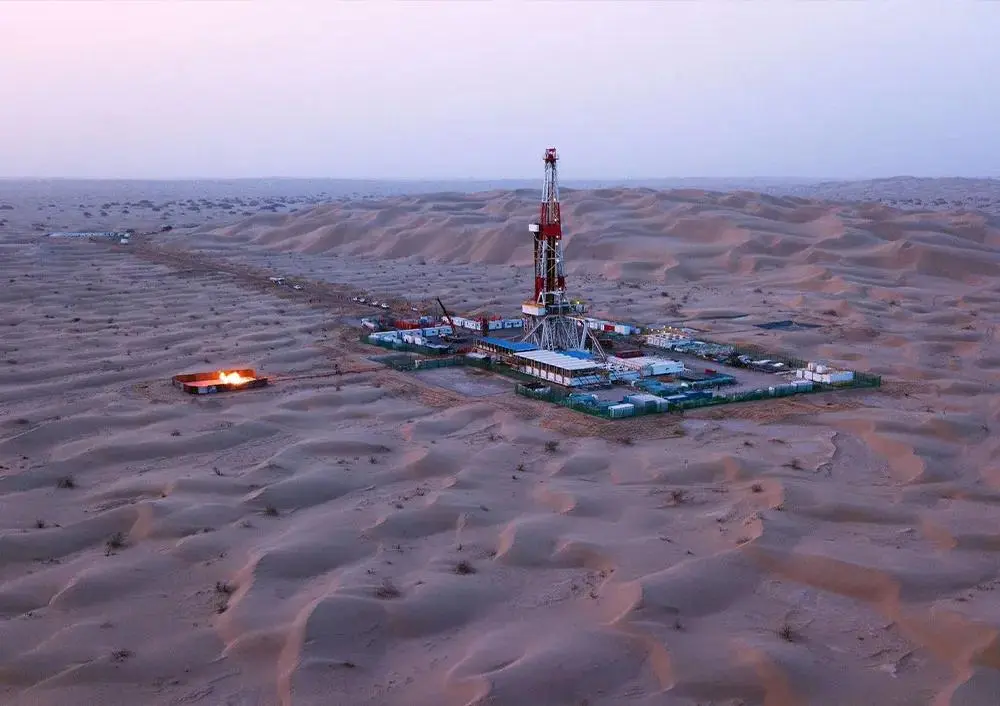
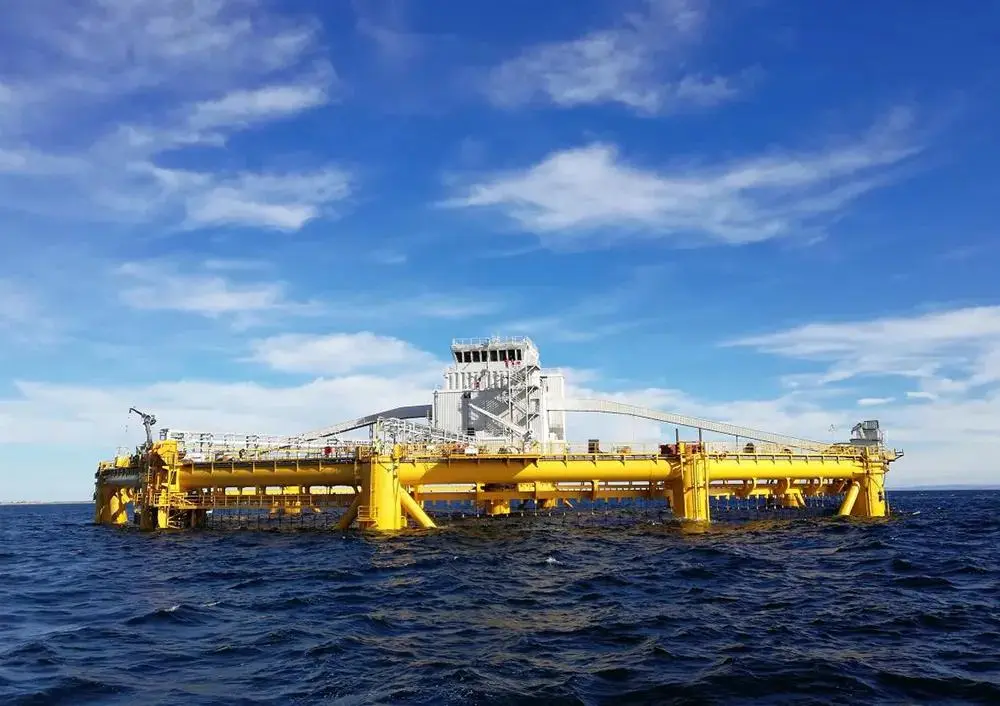
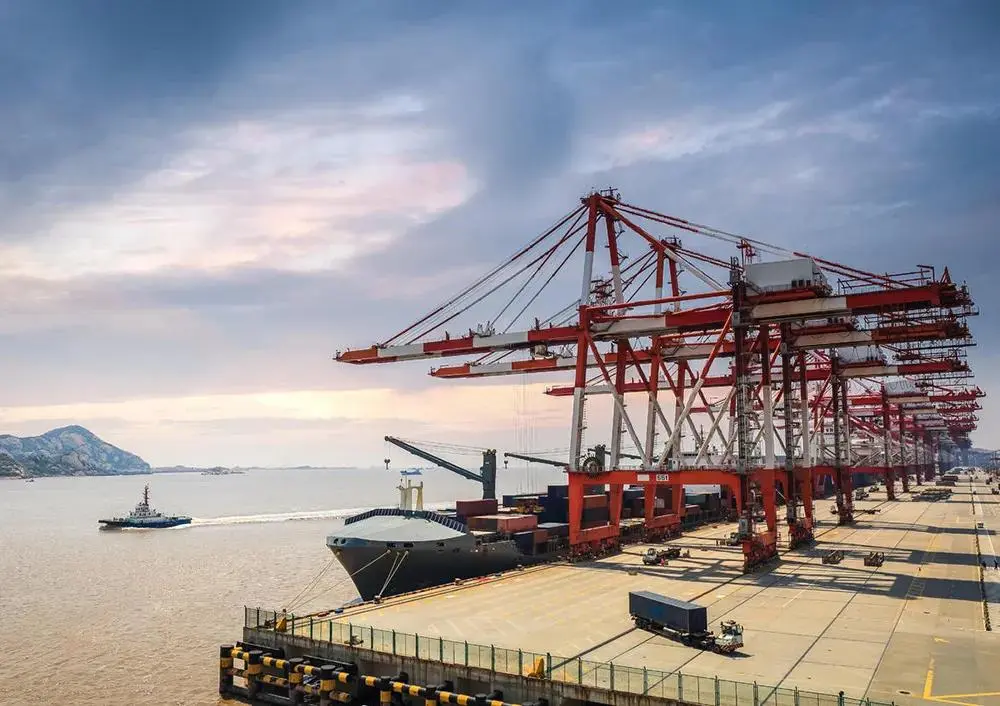
The production plant is located in Jiangsu Province, with an annual output of stainless steel wire rope, various specifications of smooth steel wire rope, galvanized steel wire rope, and more. The products are widely used in construction machinery, bridge construction, ocean engineering, port lifting, coal mine, and water conservancy engineering.
Optimizing Your Supply Chain for Non-Standard Stainless Components
Global procurement heads are no longer looking for "vendors"; they are seeking "strategic manufacturing partners." When sourcing China Non-Standard Stainless Steel Hexagonal Bars, several E-E-A-T factors must be evaluated:
The next decade will see the integration of "Smart Steel." Hexagonal bars will eventually be traced via blockchain-based certificates of origin, ensuring that every centimeter of stainless steel can be traced back to its specific batch, grade, and environmental impact score. China is leading this digital transformation in metallurgy.
Expert Answers to Common Inquiries about Non-Standard Hexagonal Bars
 Mei Shen STEEL