📋 Overview
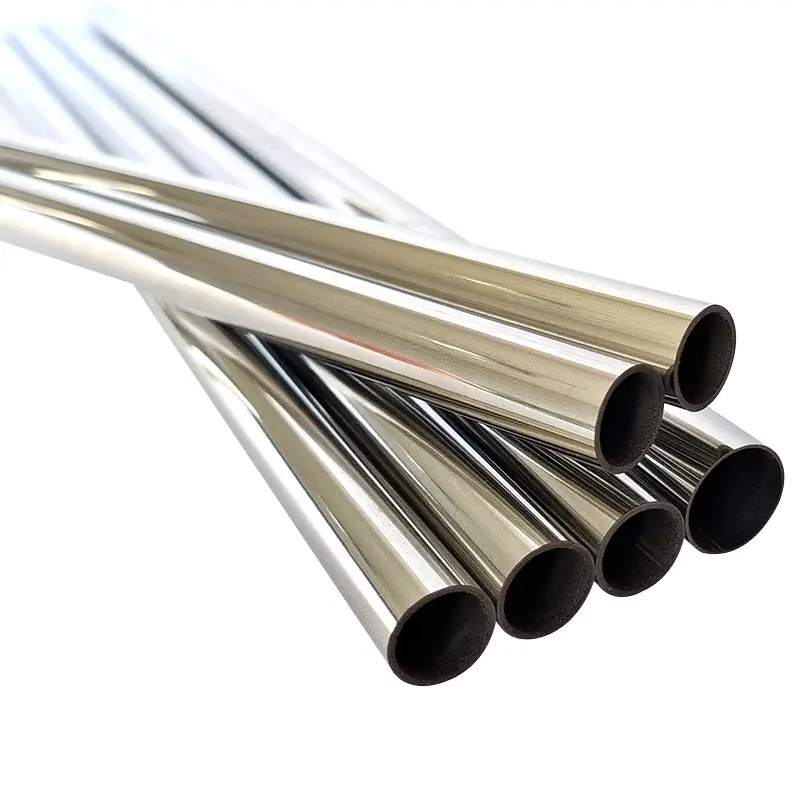
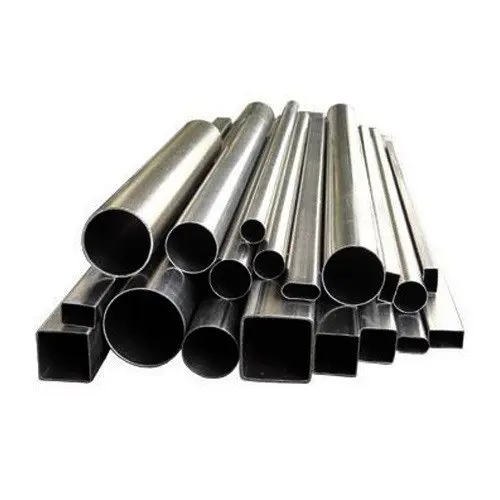
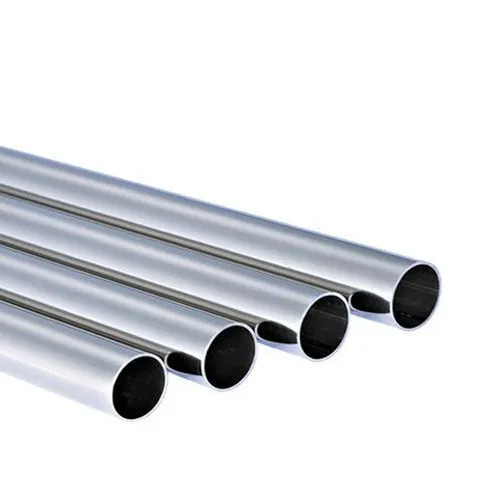
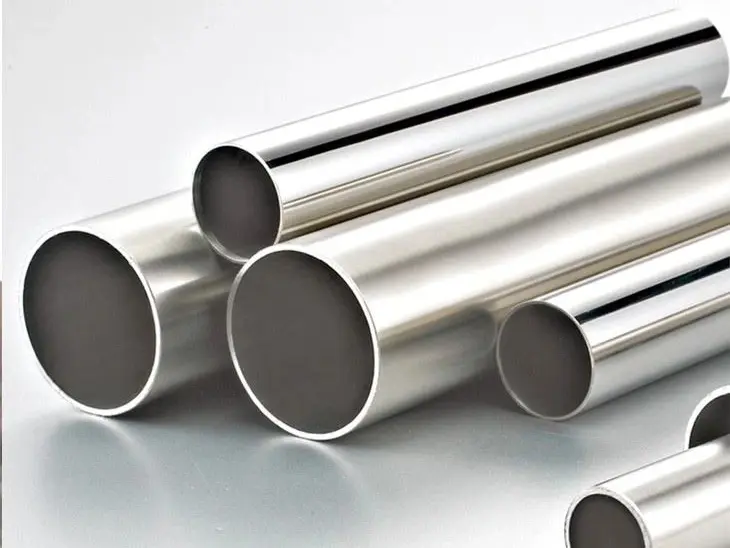
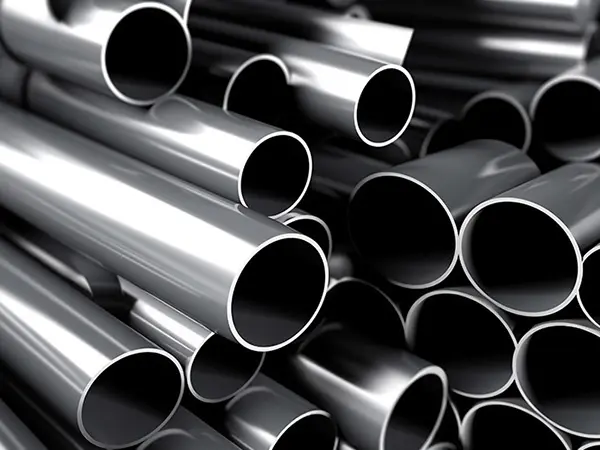
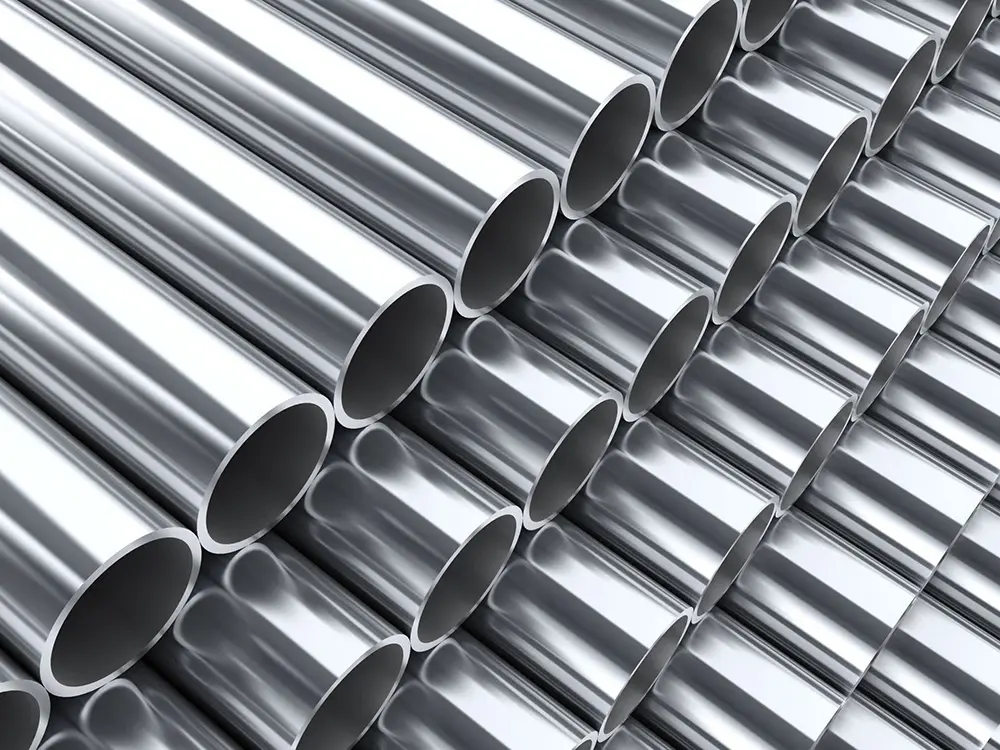
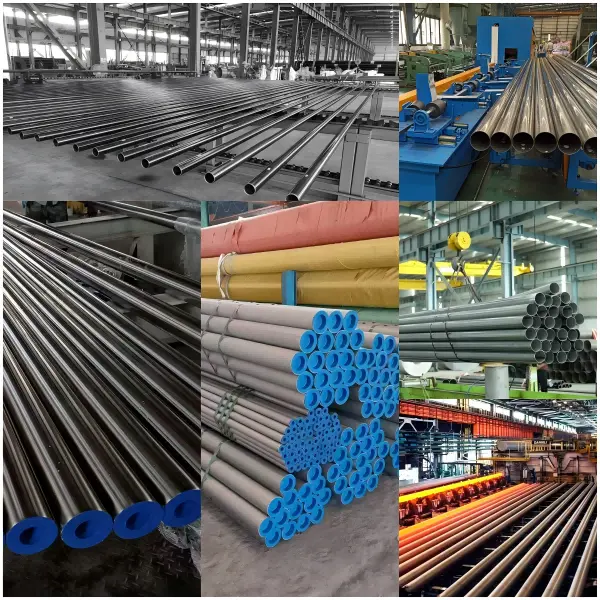
Stainless Steel 304 Pipe is a metallic pipe made up of an austenitic stainless steel that has 18% chromium and 8% nickel in the composition. It is a leading solution for various piping needs in different types and sizes. The specifications for the pipes range as A312 and A358 in the ASTM specifications. The dimensions range according to the ASTM, ASME and API standards. There are welded and SS 304 Pipe as well as electric fusion welded pipes.
The scope of application of stainless steel pipes is used as pipelines for conveying fluids. They are widely used in industrial pipelines such as petroleum, chemical, medical, food, light industry, mechanical instruments, and mechanical structural components. Stainless steel pipes are made of acid-resistant and heat-resistant steel billets, which are heated, perforated, sized, hot rolled, and cut.
304 stainless steel pipe is the full name of SUS304 stainless steel pipe.
✨ Key Features
✔
Non-magnetic properties for specialized applications.
✔
Excellent aesthetic appeal with high-end value for money.
✔
Suitable for all indoor and outdoor uses (including coastal areas).
✔
Excellent formability, bendability, and weldability.
✔
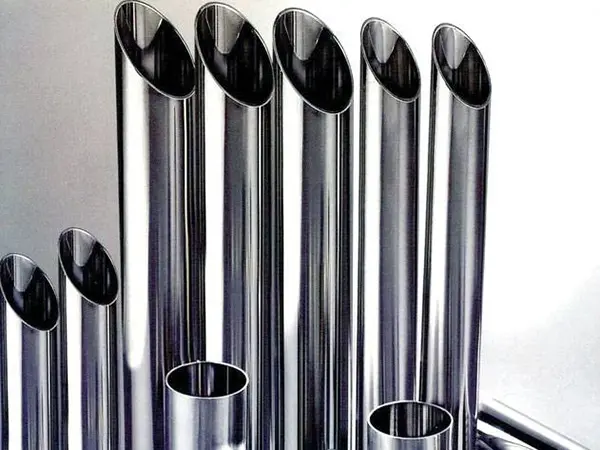
Available in bright, satin/euro, and hairline surface finish.
✔
Special profiles & sizes can be produced on request.
✔
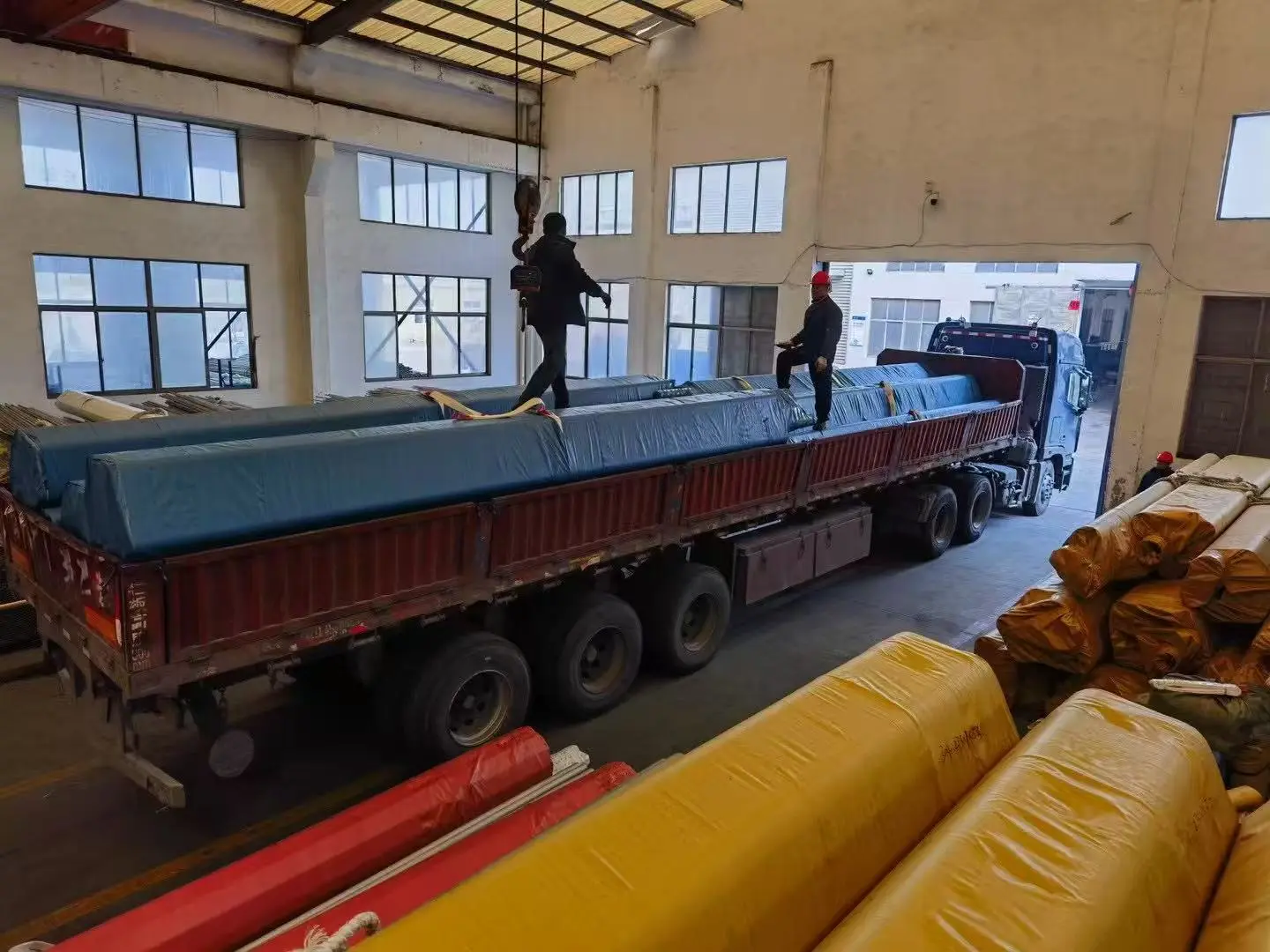
Packaging: All tubes available in 6.1m (20ft) and packed as per international standards.
🛠 Maintenance Guide
Proper maintenance of stainless steel pipes can significantly extend their service life and maintain their appearance.
1. Cleaning Methods
Daily cleaning: Use a soft cloth or sponge with a neutral detergent, gently wipe the surface, rinse with clean water, and wipe dry. For stains, use a stainless steel special cleaner or diluted vinegar. Avoid irritating chemicals such as bleach or strong acids.
2. Surface Protection
Avoid scratches by preventing contact with hard objects during carry and use. Prevent corrosion by avoiding long-term contact with acids, alkalis, and salts. Regularly check for surface scratches or corrosion signs.
3. Regular Care
Keep the surface dry after use to prevent oxidation. Applying a thin layer of protective oil or wax regularly can increase gloss and corrosion resistance.
❓ Frequently Asked Questions
What is the chemical composition of 304 Stainless Steel Pipe?
304 Stainless Steel Pipe is an austenitic steel containing 18% chromium and 8% nickel, providing excellent corrosion resistance and durability.
In which industries are these pipes commonly used?
They are widely used in petroleum, chemical processing, medical equipment, food production, light industry, and mechanical structural components.
Is 304 stainless steel suitable for outdoor or coastal environments?
Yes, 304 stainless steel is highly suitable for both indoor and outdoor uses, including coastal areas, due to its excellent resistance to atmospheric corrosion.
Are these pipes magnetic?
No, 304 stainless steel pipes are non-magnetic, which makes them ideal for specific industrial and electronic applications.
How can I prevent the surface of the pipe from rusting?
To prevent oxidation, keep the surface dry after use, avoid contact with harsh chemicals like bleach, and periodically apply a thin layer of protective wax or oil.
What manufacturing standards do these pipes follow?
Our pipes strictly follow international specifications including ASTM A312, A358, and standards set by ASME and API.
 Mei Shen STEEL