 Mei Shen STEEL
1 / 3
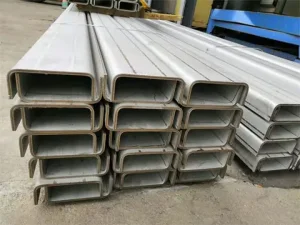
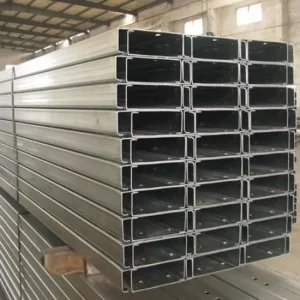
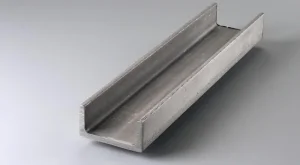
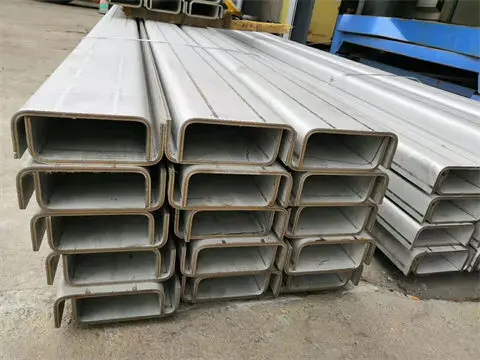
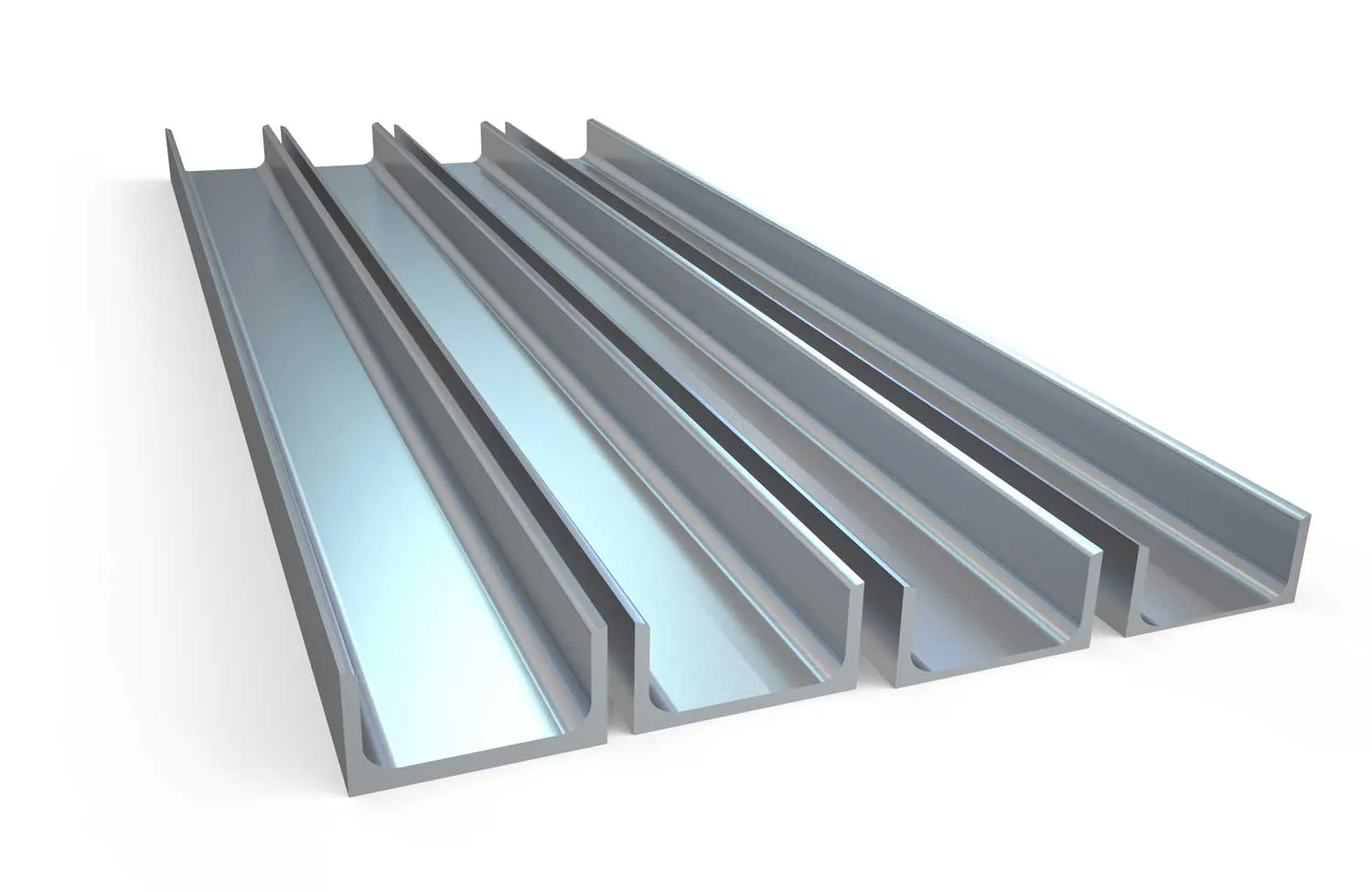
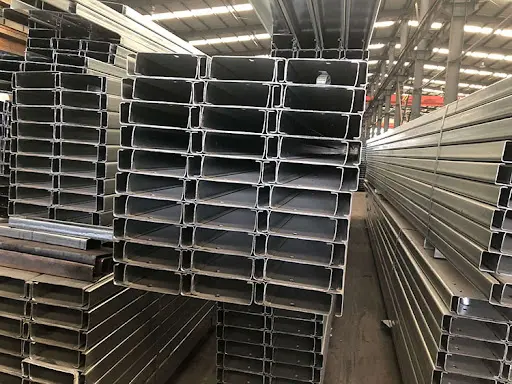
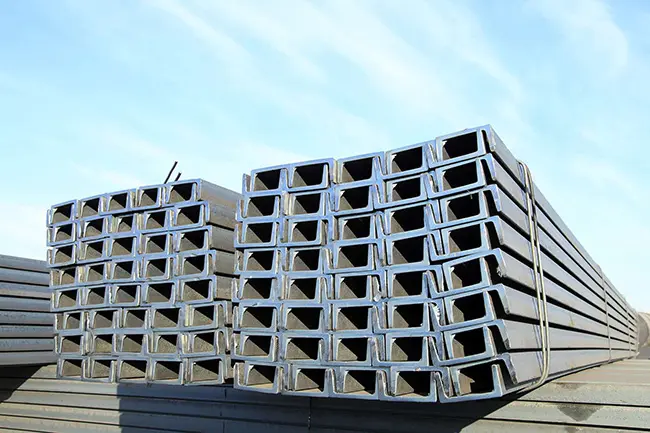
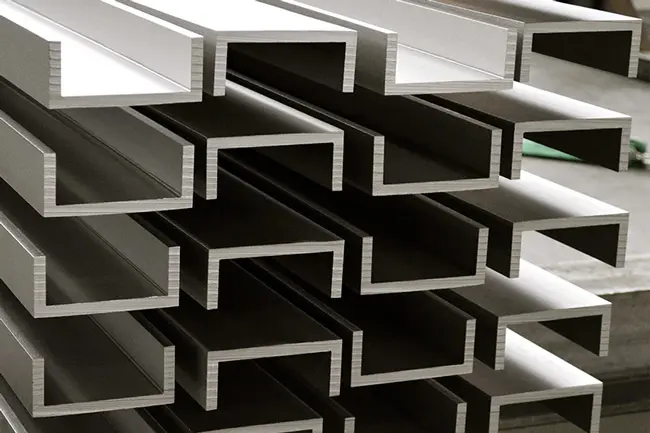
304 stainless steel channel steel is a long steel strip with a grooved cross section, similar to stainless steel I-beam. Stainless steel channel steel is divided into ordinary channel steel and light channel steel. The model and specification are expressed as waist height (h) × leg width (b) × waist thickness (d), in millimeters.
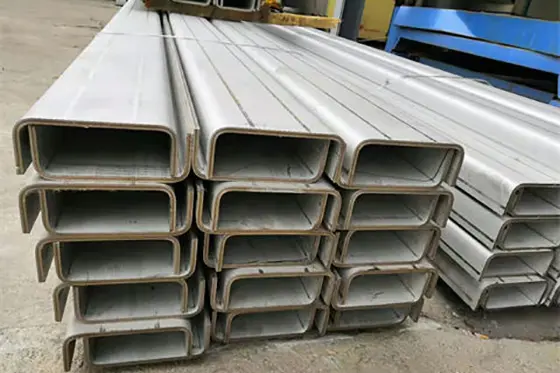
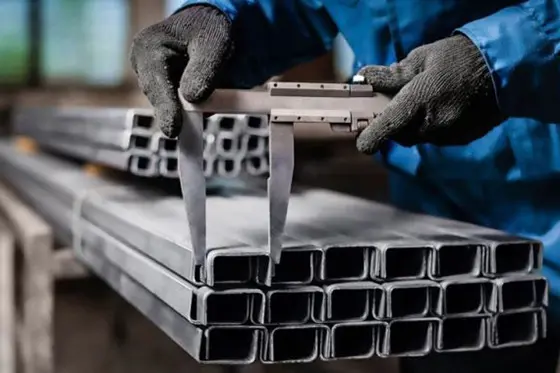
Stainless steel channel steel is mainly used in building structures, vehicle manufacturing and other industrial structures. Channel steel is also often used in conjunction with I-beams.
Main uses: Ordinary channel steel is mainly used for building structures, vehicle manufacturing and other industrial structures, and is often used in conjunction with I-beams.
Hot-rolled light channel steel is a steel with wide legs and thin walls, which has better economic effects than ordinary hot-rolled channel steel. Its specifications range from 5-40#. The 1966 Metallurgical Standard stipulates the specification range from 10-40#.
Excellent Corrosion Resistance: Capable of resisting the erosion of most chemical substances, making it suitable for various harsh environments.
High Temperature Resistance: Not easily deformed in high-temperature environments, maintaining stable physical performance.
High Strength: Boasts high structural strength and can withstand significant pressure and weight.
Ease of Processing: Highly adaptable for processing to meet specific shape and size requirements.
| Specification | Height (mm) | Width (mm) | Thickness (mm) | Cross-sectional Area (cm²) | Theoretical Weight (kg/m) |
|---|---|---|---|---|---|
| 5# | 50 | 37 | 4.5 | 6.928 | 5.438 |
| 6.3# | 63 | 40 | 4.8 | 8.451 | 6.634 |
| 8# | 80 | 43 | 5.0 | 10.248 | 8.045 |
| 10# | 100 | 48 | 5.3 | 12.748 | 10.007 |
| 14#a | 140 | 58 | 6.0 | 18.516 | 14.535 |
| 16#a | 160 | 63 | 6.5 | 21.962 | 17.24 |
| 18#a | 180 | 68 | 7.0 | 25.699 | 20.174 |
| 20#a | 200 | 73 | 7.0 | 28.837 | 22.637 |
| 25#b | 250 | 80 | 9.0 | 39.917 | 31.335 |
| 28#c | 280 | 86 | 11.5 | 51.234 | 40.219 |
| 32#b | 320 | 90 | 10.0 | 54.913 | 43.107 |
| 40#c | 400 | 104 | 14.5 | 91.068 | 71.488 |
A: The primary benefit is its excellent corrosion resistance and versatility, making it ideal for structural applications in both indoor and outdoor chemical environments.
A: Light channel steel features wider legs and thinner walls compared to ordinary channel steel, offering better economic efficiency for specific structural loads.
A: It is measured by waist height (h), leg width (b), and waist thickness (d) in millimeters. For example, 120*53*5.
A: Yes, 304 stainless steel has good high-temperature resistance and maintains structural stability in demanding thermal environments.
A: They are widely used in building construction, vehicle manufacturing, mechanical engineering, and industrial support frames.