 Mei Shen STEEL
1 / 5
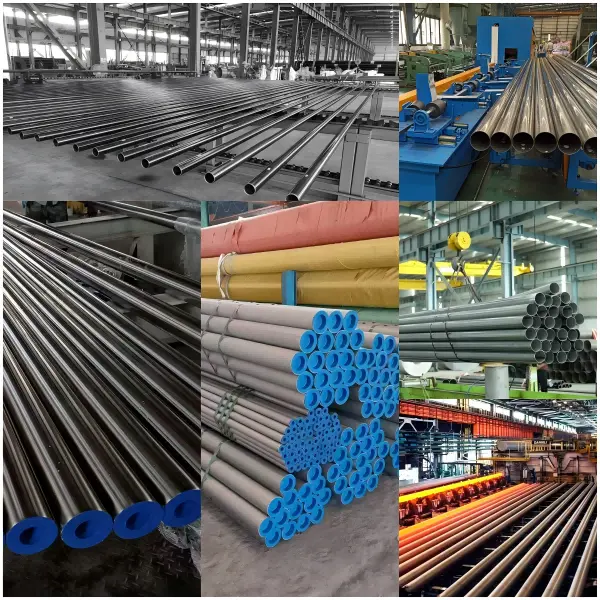
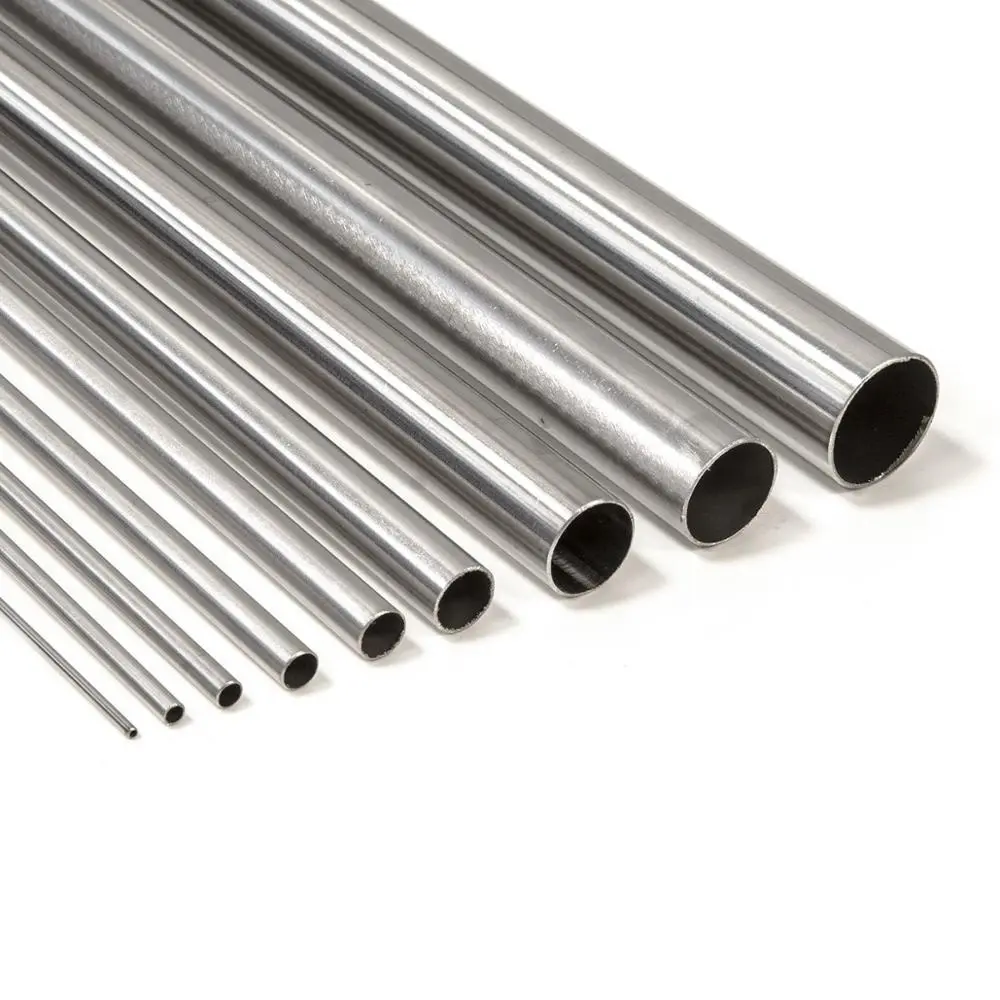
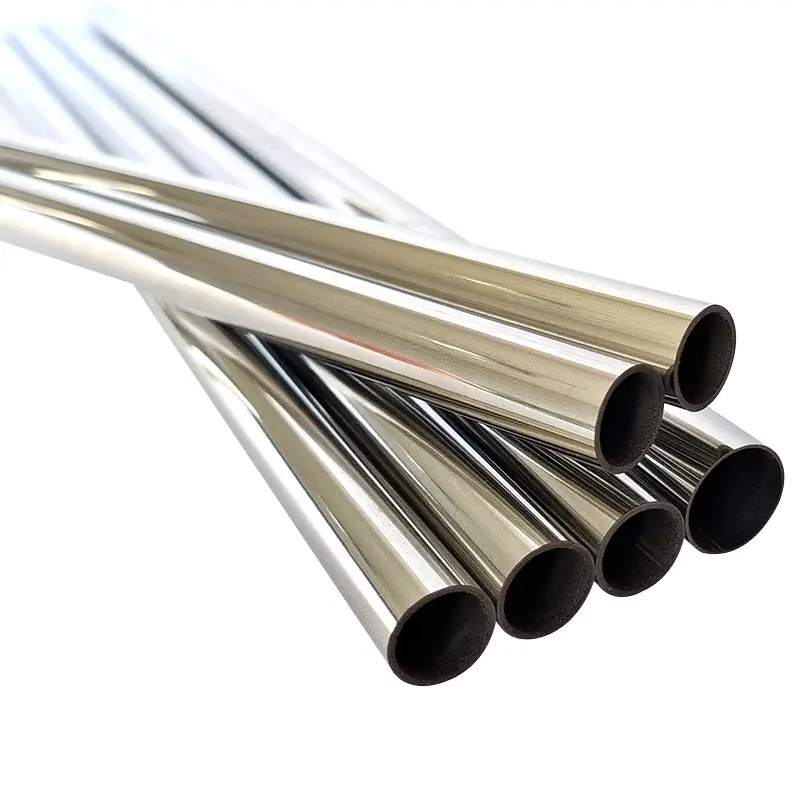
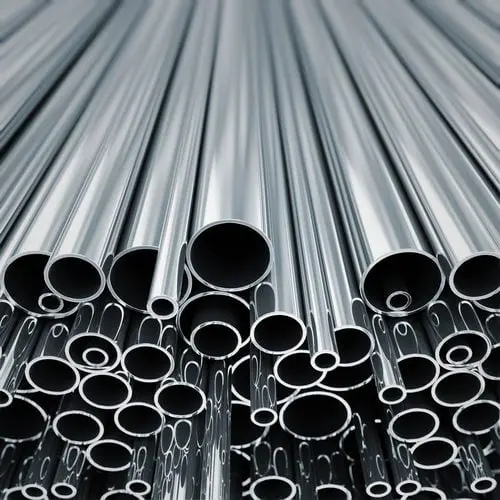
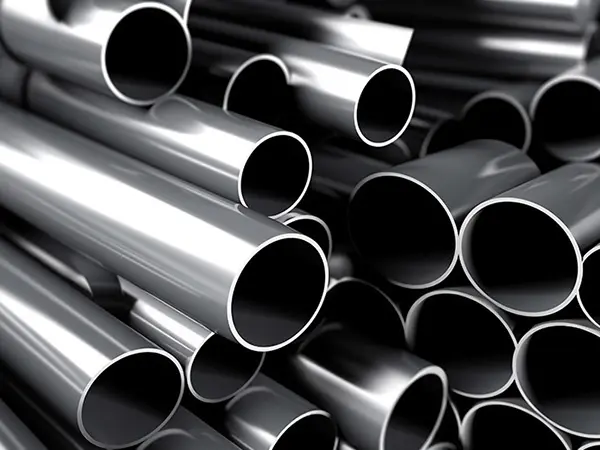
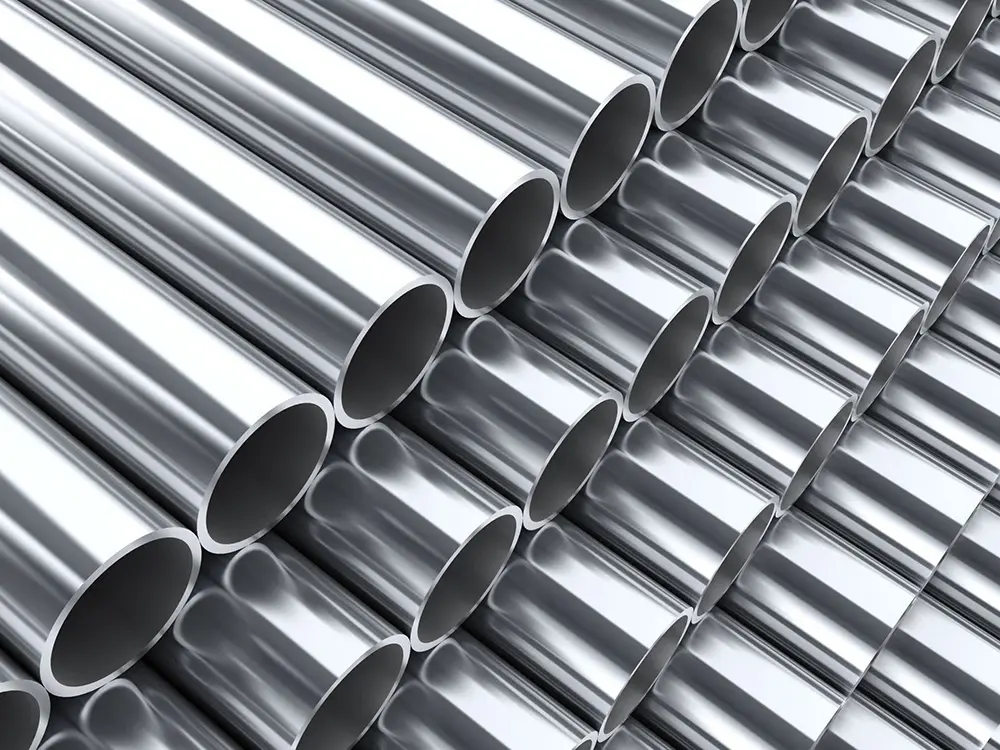
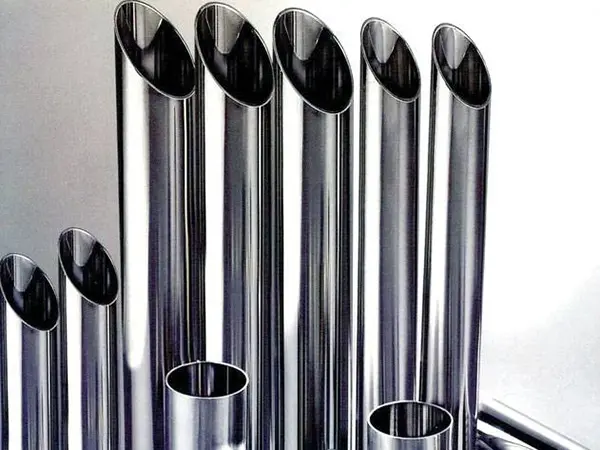
Stainless Steel 304 Pipe is a metallic pipe made up of an austenitic stainless steel that has 18% chromium and 8% nickel in the composition. The specifications for the pipes range as A312 and A358 in the ASTM specifications. The dimensions range according to the ASTM, ASME and API standards. There are welded and SS 304 Pipe as well as electric fusion welded pipes.
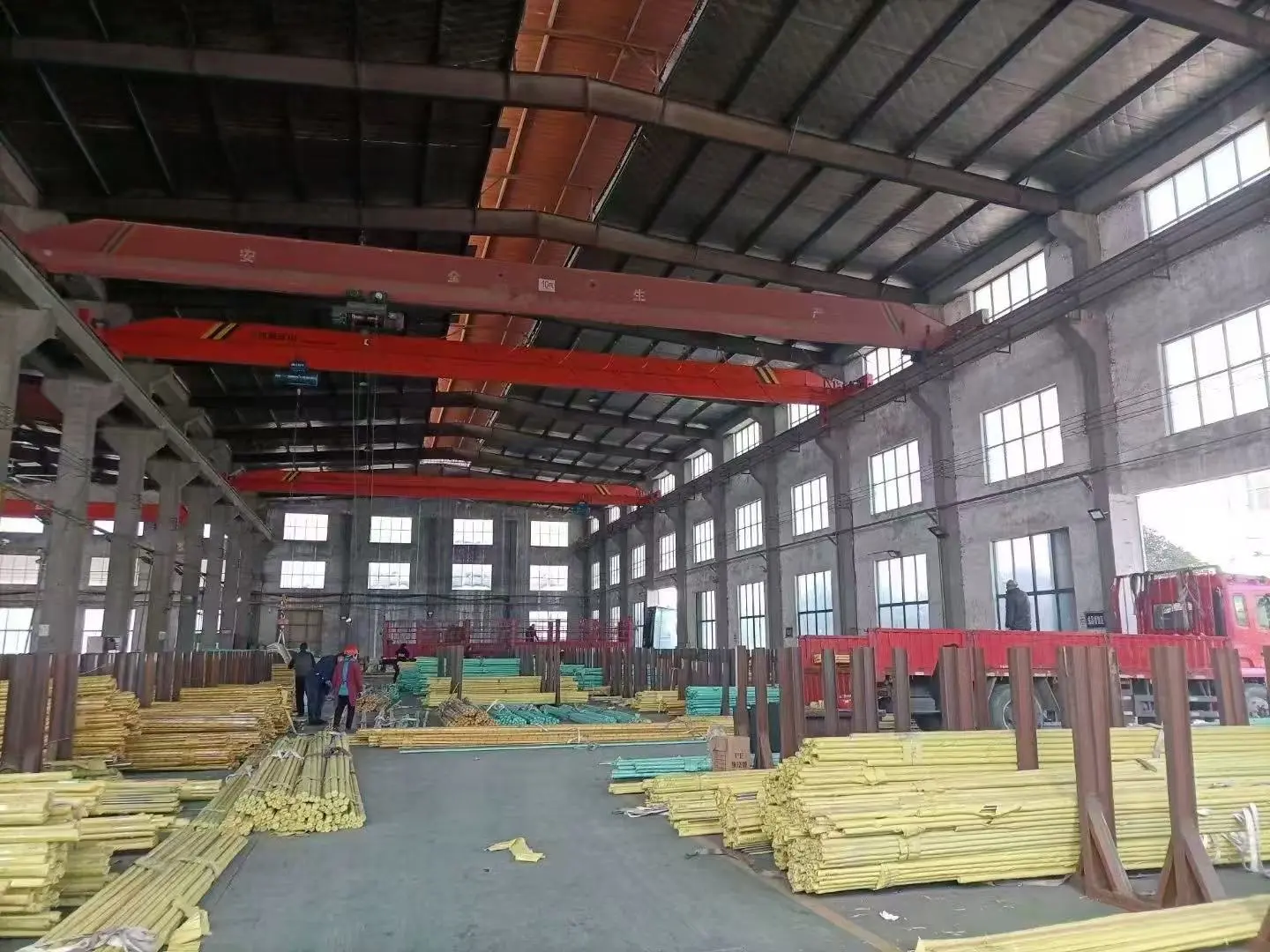
The scope of application of stainless steel pipes is used as pipelines for conveying fluids. They are widely used in industrial pipelines such as petroleum, chemical, medical, food, light industry, mechanical instruments, and mechanical structural components. Stainless steel pipes are made of acid-resistant and heat-resistant steel billets, which are heated, perforated, sized, hot rolled, and cut.
304 stainless steel pipe is the full name of SUS304 stainless steel pipe.

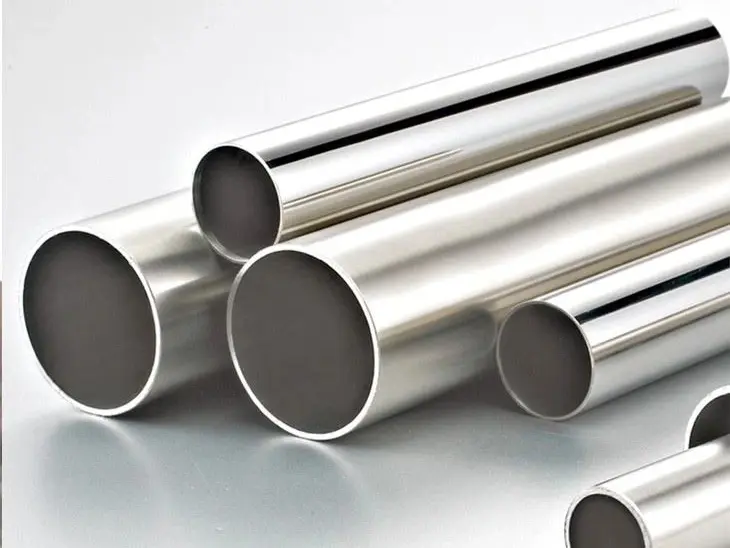
Daily cleaning: Use a soft cloth or sponge to dip in a neutral detergent, gently wipe the surface, rinse with clean water and wipe dry.
Removing stains: Use special stainless steel cleaner or diluted vinegar water for tough stains. Avoid irritating chemicals like bleach or strong acids.
Avoid scratches: Avoid contact with hard objects during use and transport.
Prevent corrosion: Avoid long-term contact with corrosive substances (acids, alkalis, salts). Rinse immediately if contact occurs.
Keep dry: Wipe dry after use to prevent oxidation.
Regular maintenance: Apply a thin layer of protective oil or wax regularly to increase gloss and corrosion resistance.
Maintenance should vary based on specific pipe types (e.g., food-grade or medical-grade) in accordance with relevant standards.