📋Overview
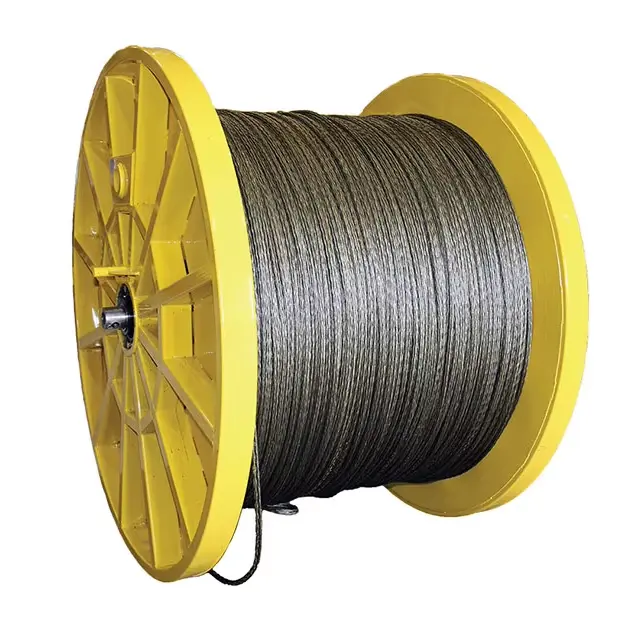
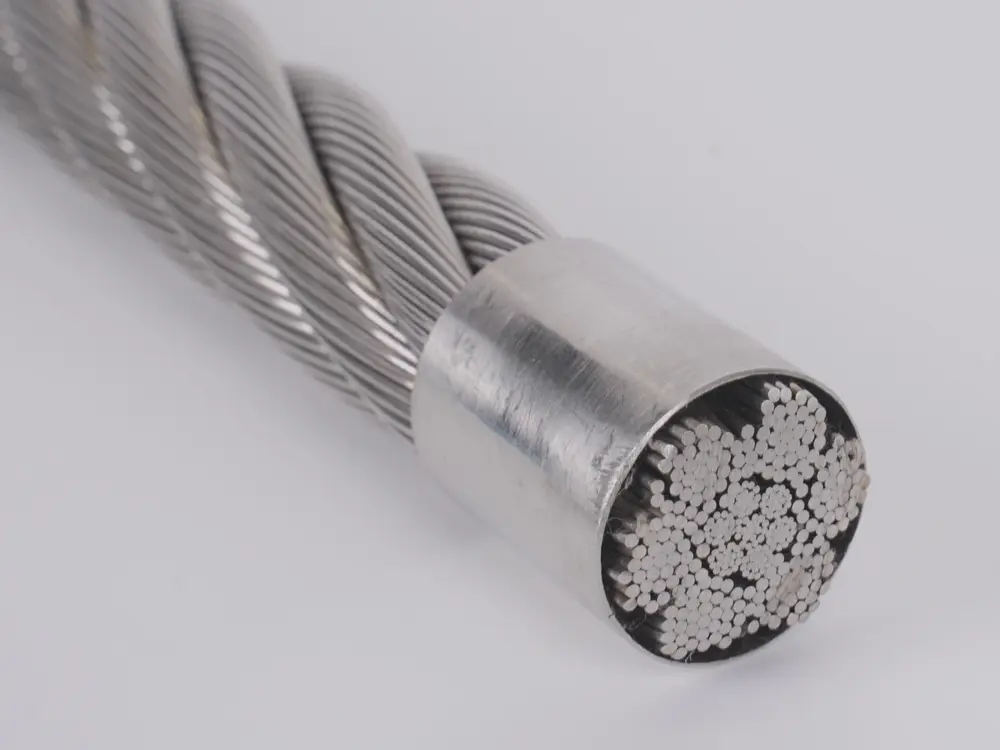
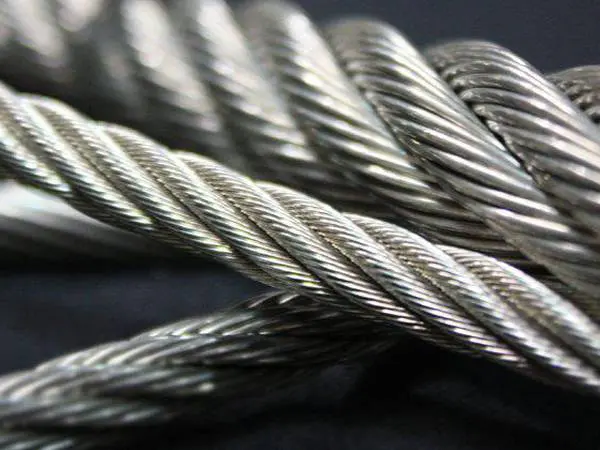
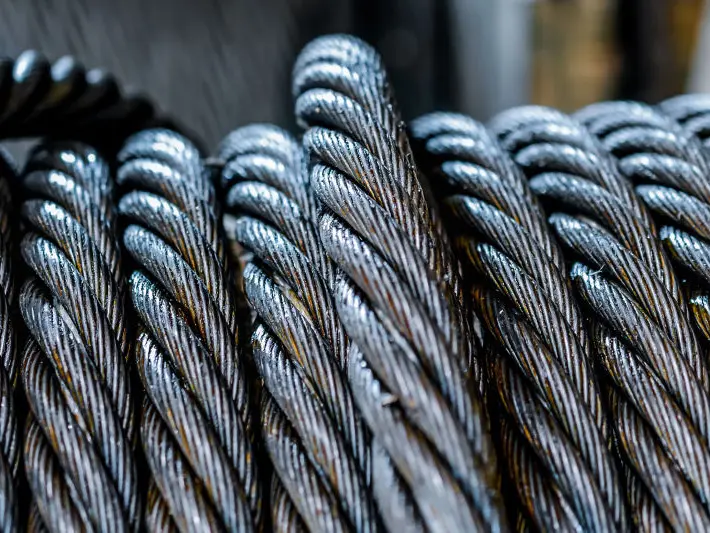
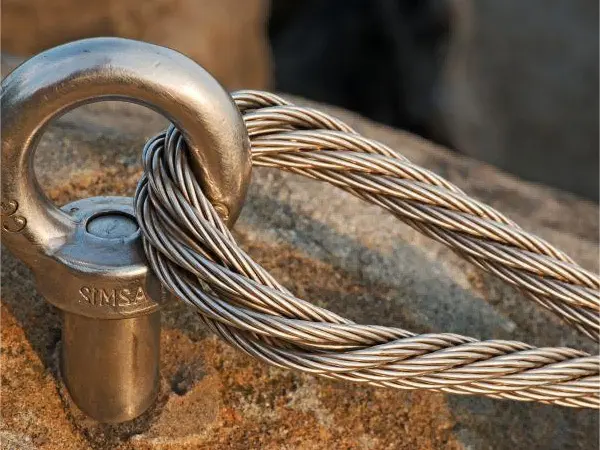
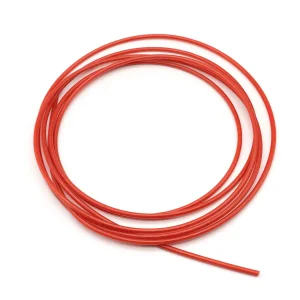
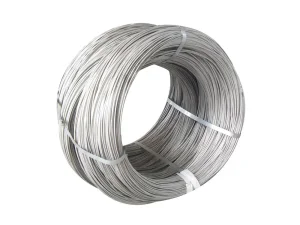
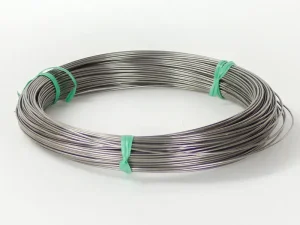
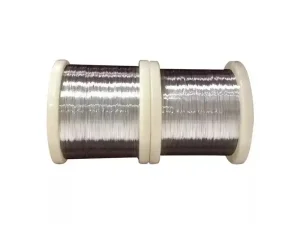
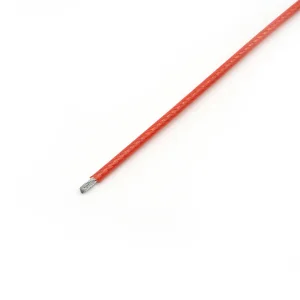
Galvanized Steel Wire Rope refers to a steel wire rope that is coated with a layer of zinc on the surface of the individual steel wires that make up the wire rope.
Main Purpose: Provides superior corrosion and rust protection. The zinc layer acts as a sacrificial anode, effectively resisting environmental factors such as moisture and salt spray, greatly extending service life.
⭐Features & Advantages
Strong Corrosion Resistance
Suitable for harsh environments such as humid, outdoor, and marine settings.
Long Service Life
Usually lasts significantly longer than ordinary ungalvanized steel wire ropes.
High Strength
Inherents high tensile strength and extreme load-bearing capacity.
Economic Benefits
Low maintenance costs and long-term durability provide excellent value.
🏗️Application Areas
- Ships and Ports: Used as high-durability cables and slings.
- Marine Engineering: Ideal for offshore platforms and commercial fisheries.
- Buildings and Bridges: Employed as load-bearing structural cables.
- Lifting Equipment: Heavy-duty use in cranes and industrial hoists.
- Mines & Cableways: Reliable performance in underground and aerial transport.
🛠️Maintenance & Service Life
1. Correct Installation: Ensure no twisting or physical damage during setup. Avoid overloading and maintain constant speed during lifting.
2. Regular Care: Lubricate regularly to reduce internal friction. Keep the surface clean from dust, oil, and debris.
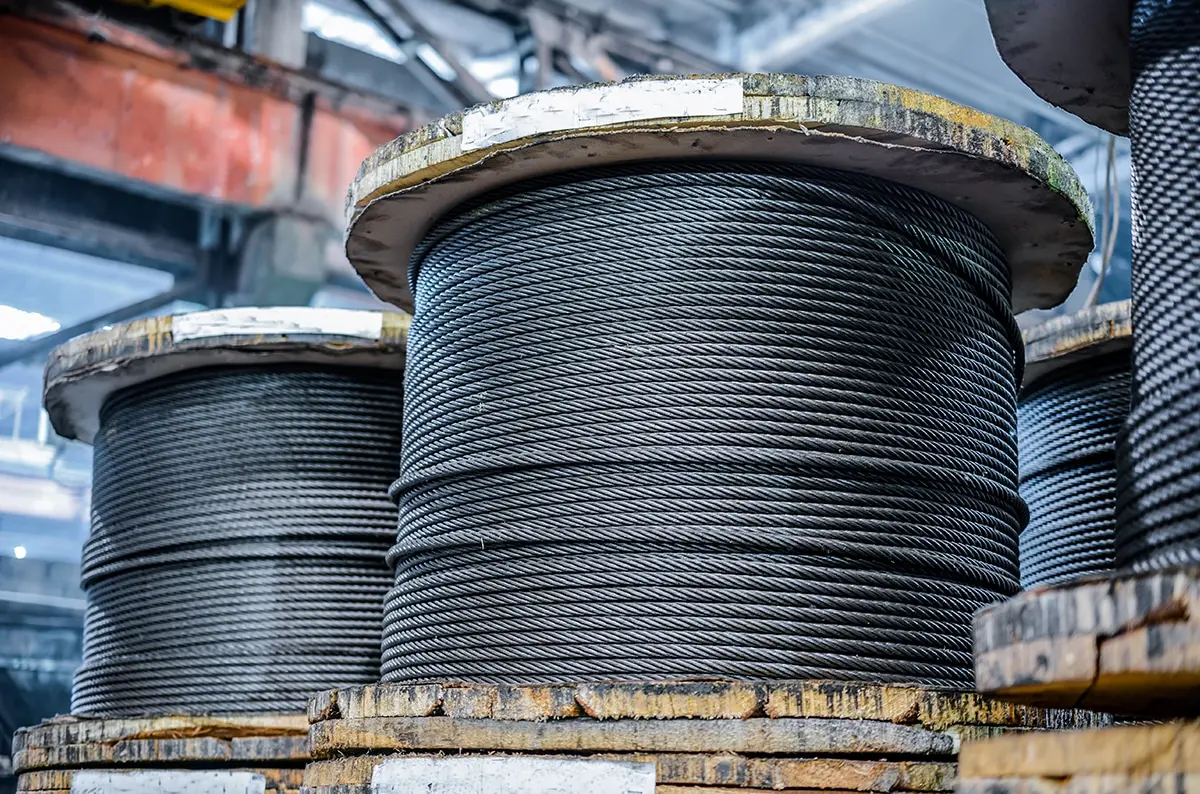
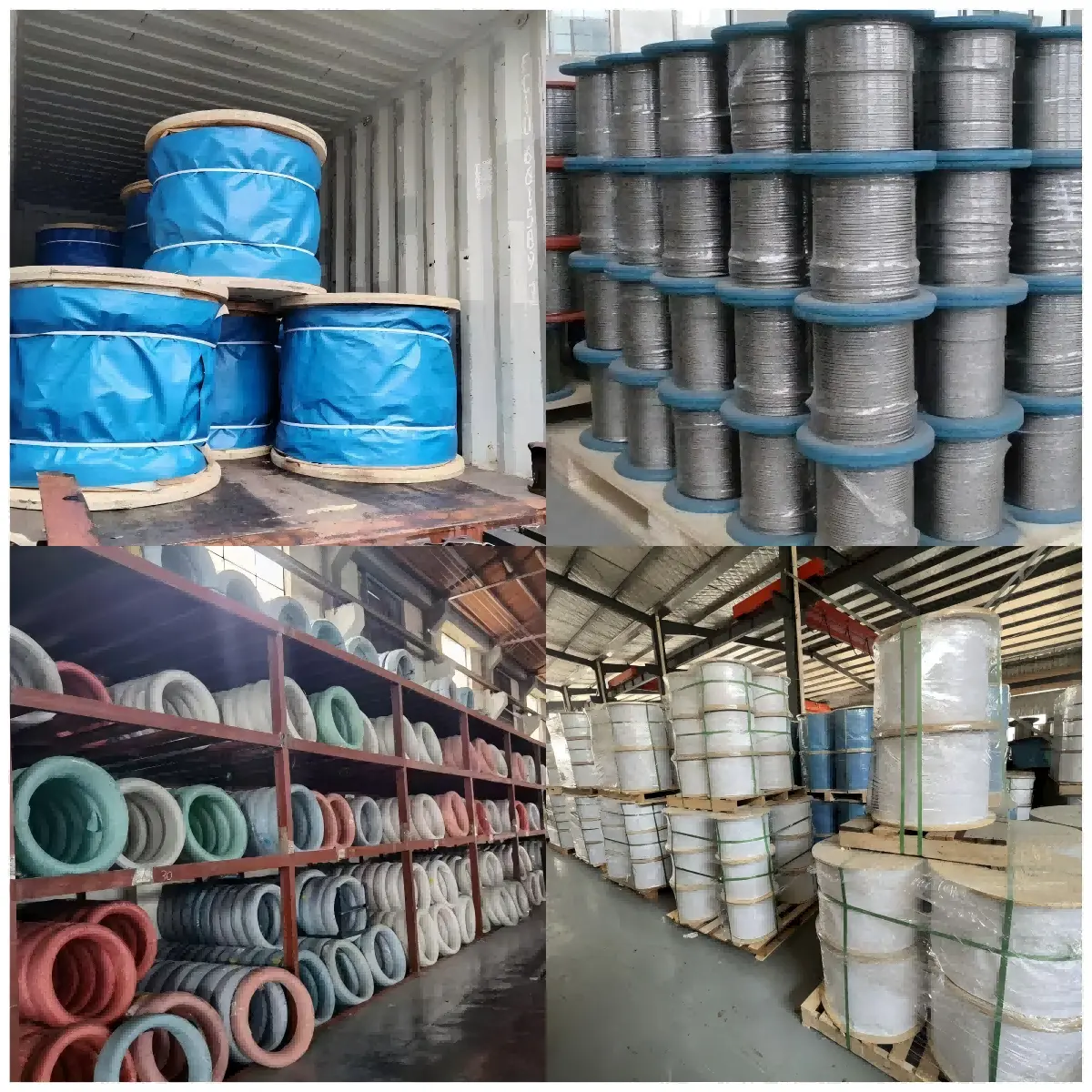
3. Proper Storage: Store in dry, ventilated areas. Avoid direct sunlight and moisture exposure to prevent premature degradation.
📊Technical Specifications (6x36WS+IWRC)
| Diameter (mm) |
Approx Weight (kg/100m) |
EN12385-4 Min. Breaking Load (KN) |
DIN3064 Min. Breaking Load (KN) |
GB/T8918-2006 Min. Breaking Load (KN) |
| 1570 N/mm² |
1770 N/mm² |
1960 N/mm² |
1570 N/mm² |
1770 N/mm² |
1570 N/mm² |
1770 N/mm² |
| 6.0 | 15.30 | 20.10 | 22.70 | 25.10 | 20.10 | 22.70 | 20.10 | 22.70 |
| 8.0 | 27.20 | 35.80 | 40.30 | 44.70 | 35.80 | 40.30 | 35.80 | 40.30 |
| 10.0 | 42.50 | 55.90 | 63.00 | 69.80 | 55.90 | 63.00 | 55.90 | 63.00 |
| 12.0 | 61.20 | 80.50 | 90.70 | - | 80.60 | 89.90 | 80.40 | 90.70 |
| 14.0 | 83.30 | 109.50 | 124.00 | - | 109.00 | 124.00 | 109.00 | 123.00 |
| 16.0 | 108.80 | 143.10 | 161.00 | - | 143.00 | 161.00 | 143.00 | 161.00 |
| 20.0 | 170.00 | 224.00 | - | - | 221.00 | 252.00 | 223.00 | - |
| 24.0 | 244.80 | 322.00 | - | - | 322.00 | 363.00 | 321.00 | - |
❓Frequently Asked Questions
Q1: What makes galvanized wire rope different from standard wire rope?
The primary difference is the zinc coating. This layer acts as a protective shield against corrosion, making it ideal for wet or outdoor environments where standard ropes would rust quickly.
Q2: Can galvanized steel wire rope be used for marine applications?
Yes, it is specifically designed for marine and offshore environments. Its strong corrosion resistance protects the steel core from salt spray and moisture damage.
Q3: How often should I lubricate the wire rope?
Regular lubrication is essential. The frequency depends on the intensity of use and environmental conditions, but it should generally be done as part of a routine maintenance schedule to reduce friction and prevent rust.
Q4: What are the signs that a wire rope needs to be replaced?
You should inspect for broken wires, significant surface wear, deformation (like kinking), and severe corrosion. If the rope meets local scrap standards or shows compromised integrity, it must be replaced immediately.
Q5: How should I store the wire rope when not in use?
Wire ropes should be stored in a dry, well-ventilated area. Keep them off the ground and protected from direct sunlight and extreme moisture to maintain their structural integrity.
Q6: Does the zinc coating affect the strength of the rope?
No, galvanized wire rope maintains the high tensile strength and load-bearing capacity inherent in steel wire ropes while adding the benefit of long-term durability.
 Mei Shen STEEL