 Mei Shen STEEL
1 / 2
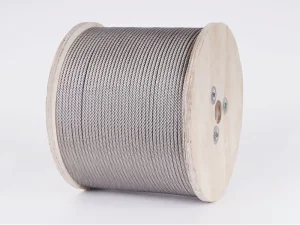
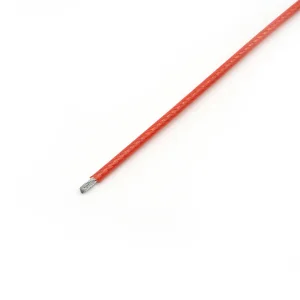
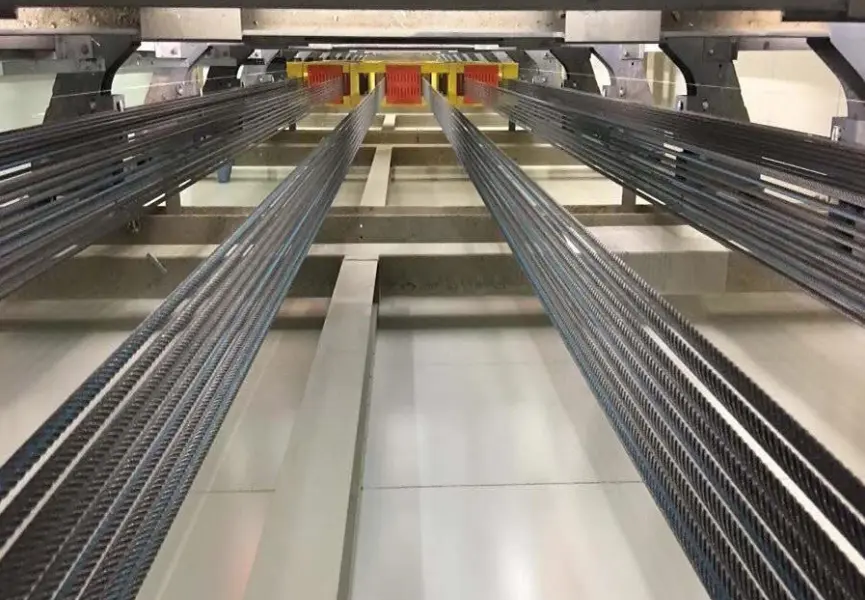
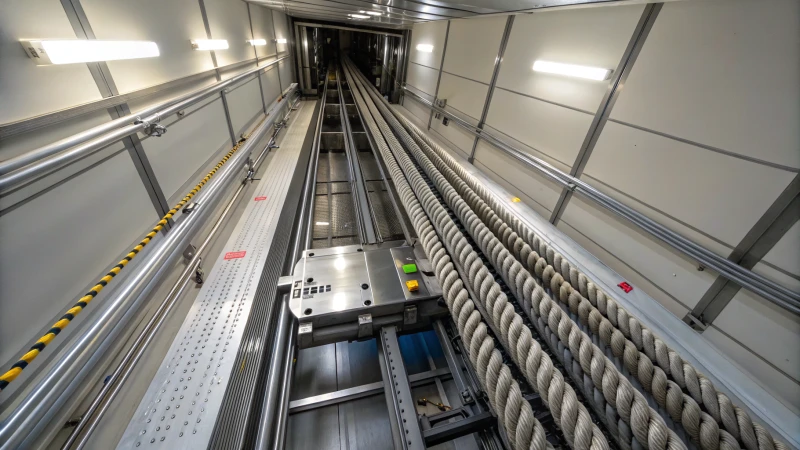
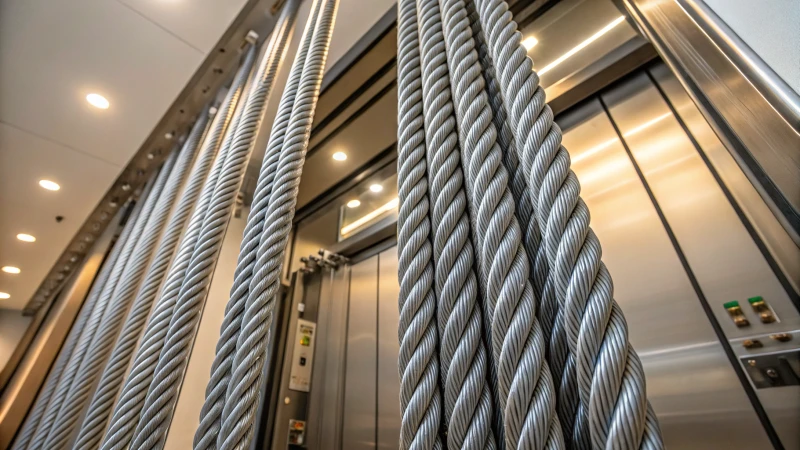
Elevator wire rope is a very important load-bearing component in the elevator. It is mainly used to suspend the car and counterweight, and drives the elevator through the friction between the traction wheel.
It bears almost the entire weight of the elevator (car, load, counterweight, wire rope itself, etc.).
It relies on the friction with the traction wheel to transmit power and drive the car and counterweight to run.
It will bend around the traction wheel and guide wheel during operation, bearing high specific pressure and friction.

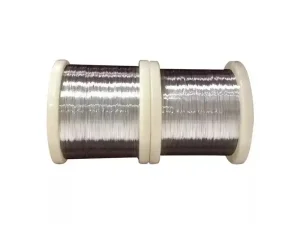
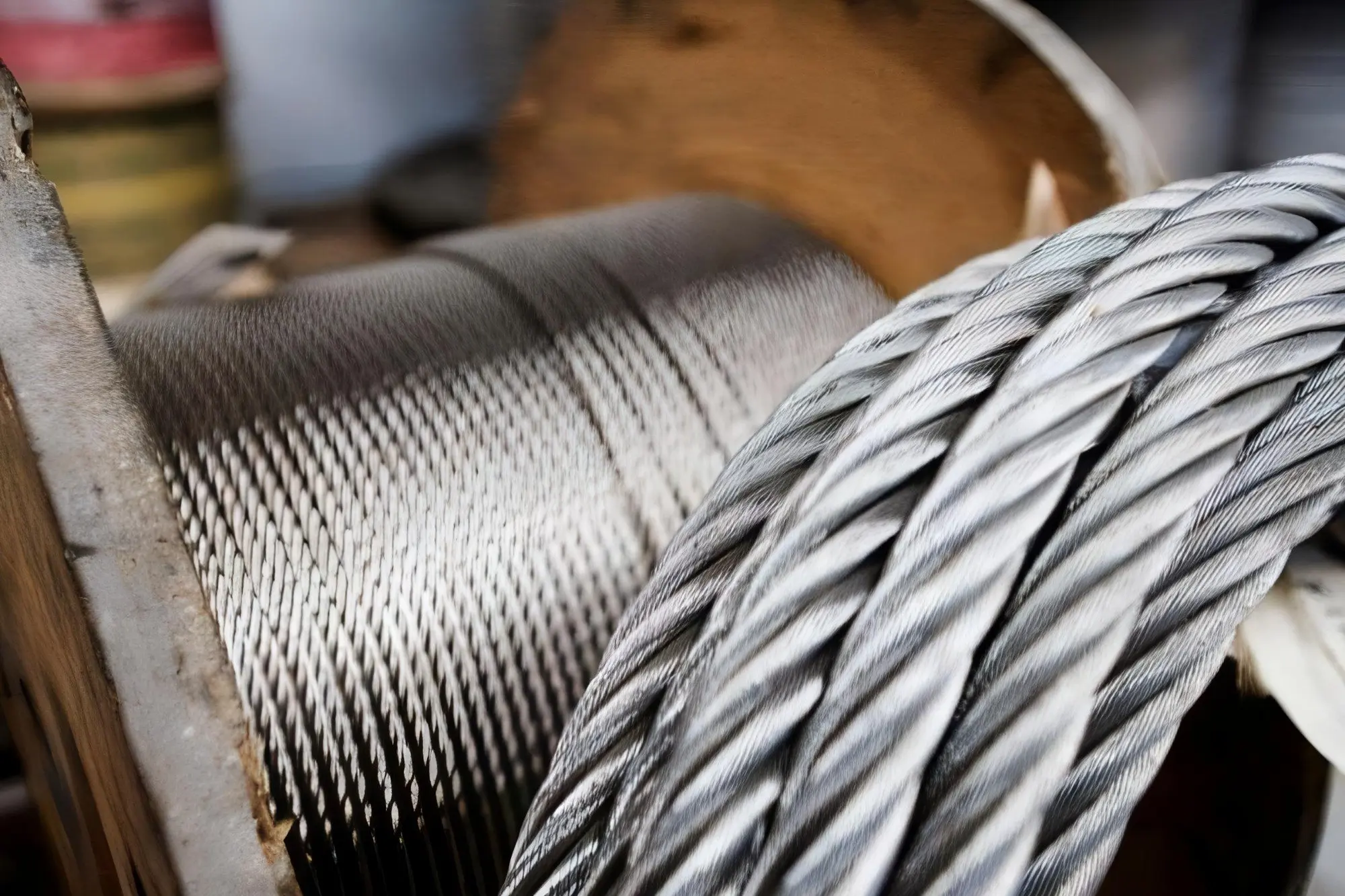
Steel wire: The basic strength unit of the wire rope, required to have high strength and toughness.
Strand: Multiple steel wires twisted into strands. 8-strand ropes offer better flexibility than 6-strand ropes, though wear resistance varies.
Rope core: Located in the middle to support strands. Options include fiber cores (sisal, synthetic) for flexibility and oil storage, or steel cores (IWRC, CSC).
| Nominal rope diameter (mm) | Approx. weight (kg/100m) | Minimum breaking load (kN) | |||||
|---|---|---|---|---|---|---|---|
| Dual tensile (MPa) | Single tensile (MPa) | ||||||
| 1320/1770 | 1370/1770 | 1570/1770 | 1570 | 1620 | 1770 | ||
| 6.3 | 13.5 | 16.4 | 17.4 | 19.1 | 18.3 | 18.8 | 20.6 |
| 8 | 21.8 | 26.5 | 28.1 | 30.8 | 29.4 | 30.4 | 33.2 |
| 9 | 27.5 | - | 35.6 | 38.9 | 37.3 | - | 42.0 |
| 10 | 34.0 | 41.3 | 44.0 | 48.1 | 46.0 | 47.5 | 51.9 |
| 12 | 49.0 | 59.5 | 63.3 | 69.2 | 66.2 | 68.4 | 74.7 |
| 13 | 57.5 | 69.8 | 74.3 | 81.2 | 77.7 | 80.2 | 87.6 |
| 16 | 87.0 | 106 | 113 | 123 | 118 | 122 | 133 |
| 20 | 136 | 165 | 176 | 192 | 184 | 190 | 207 |
| Steel wire rope Ø (allowable tolerance) | |
|---|---|
| Zero load: | With load (10% of Fmin): |
| Max 3% (< 10mm) | Min -1% |
| Max 2% (> 10mm) | Min -1% (> 10mm) |