Wholesale High-precision stainless steel belt: industrial grade, stable performance Manufacturer, Suppliers

High strength and durability

Specifications: ASTM A240 / ASME SA240

Grade: 304/316

Width: 8 – 600mm

Thickness: 0.03mm – 6mm

Product Description

Overview

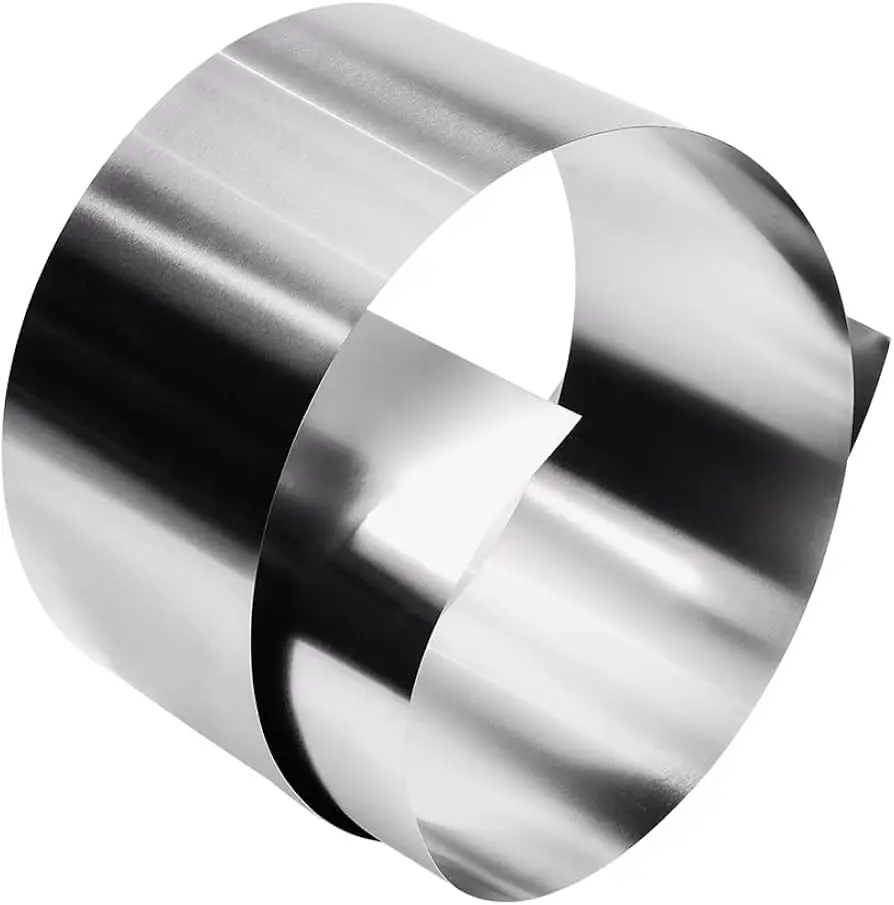
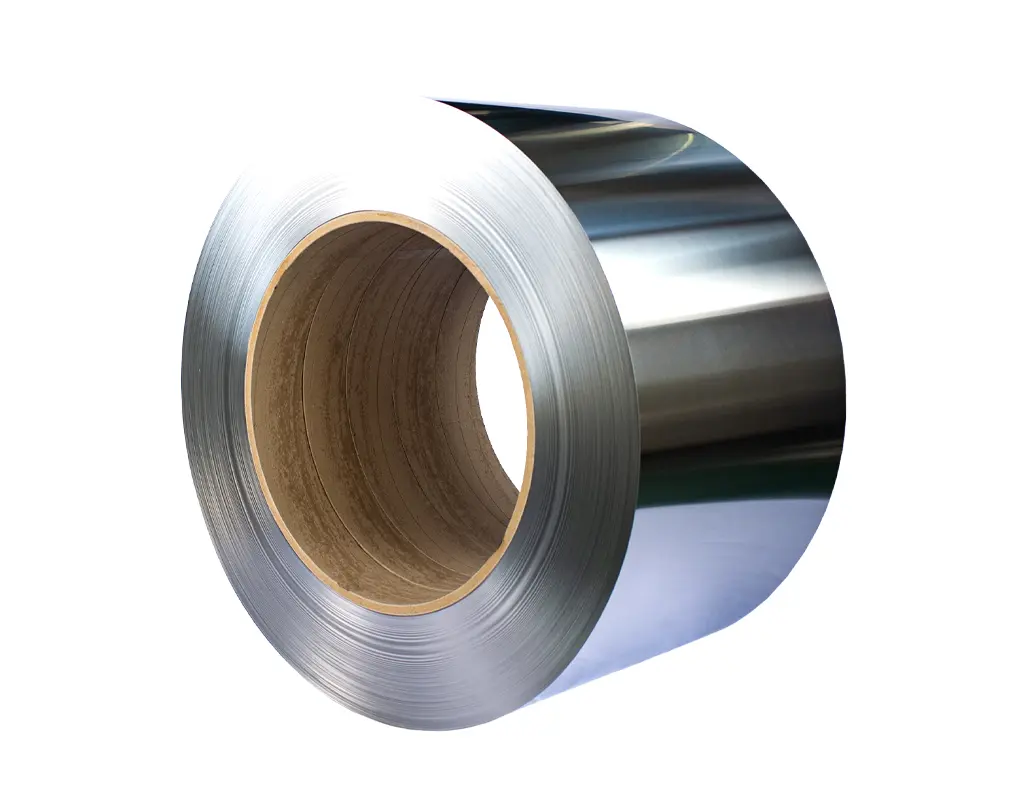
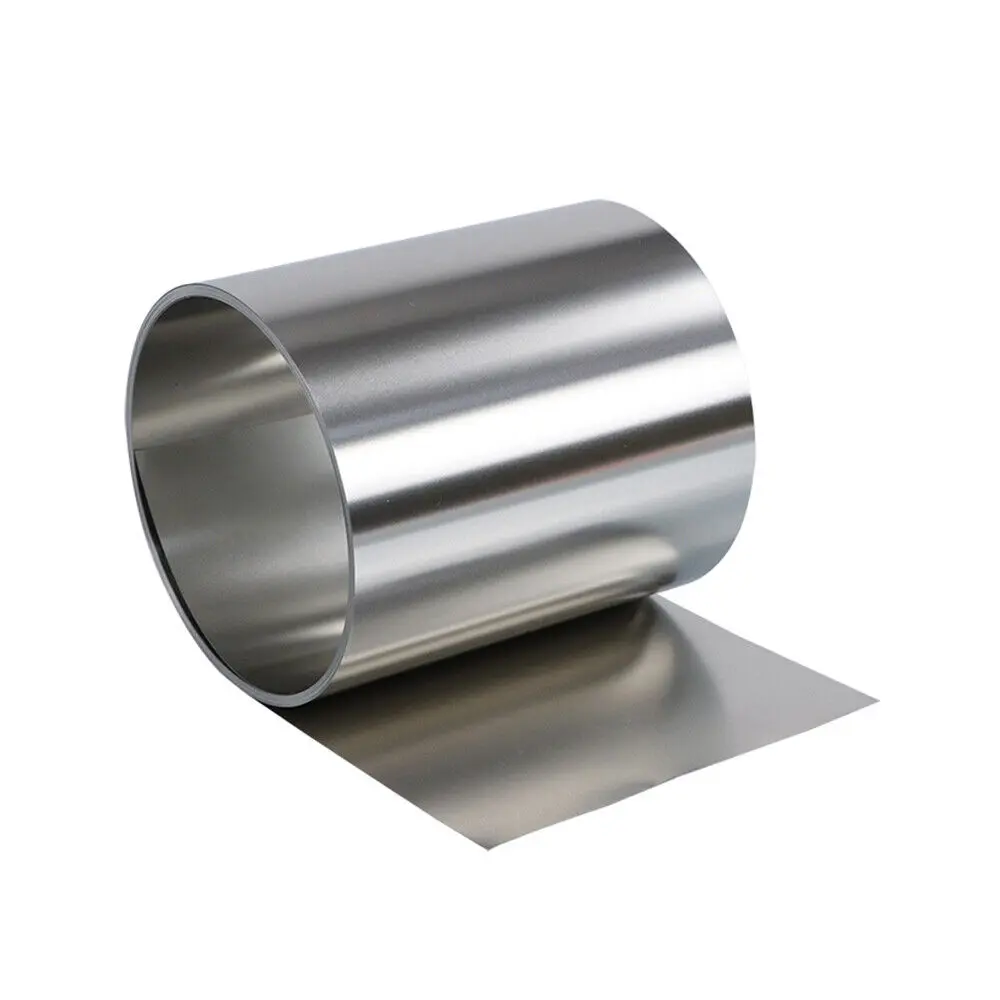
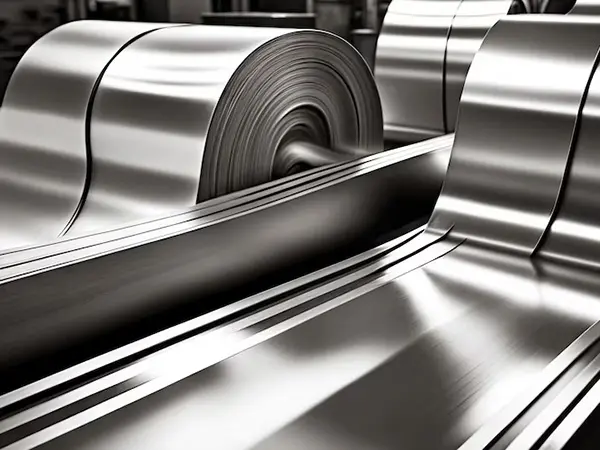
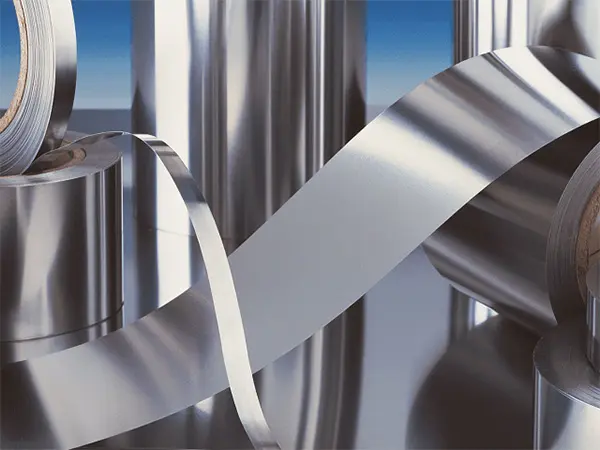
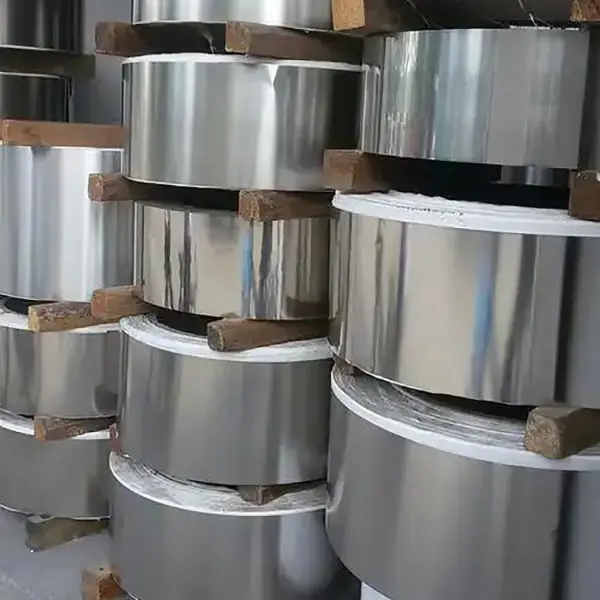
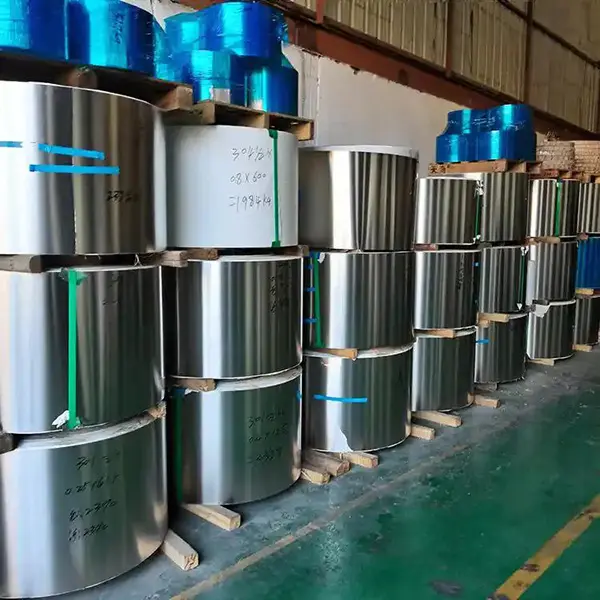
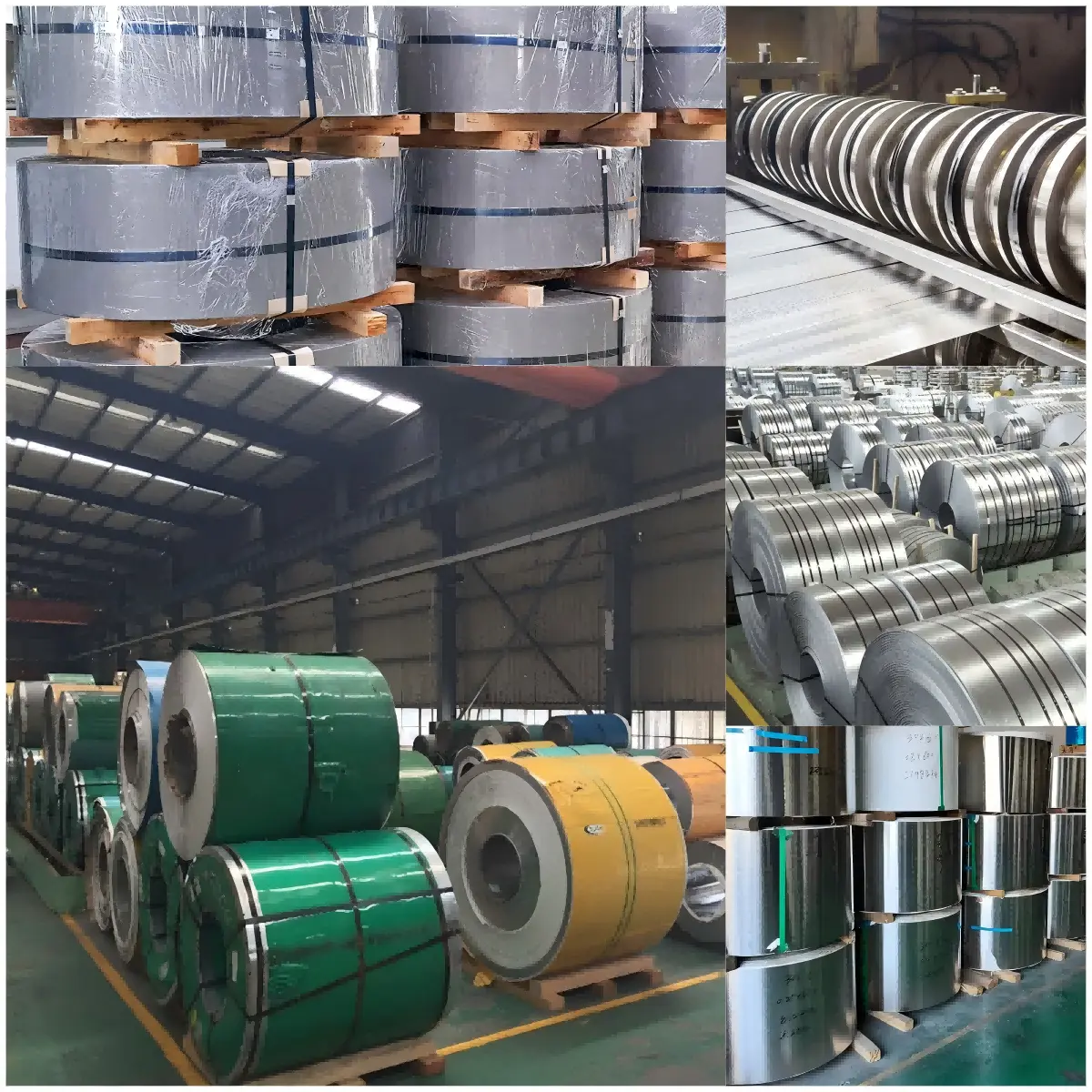
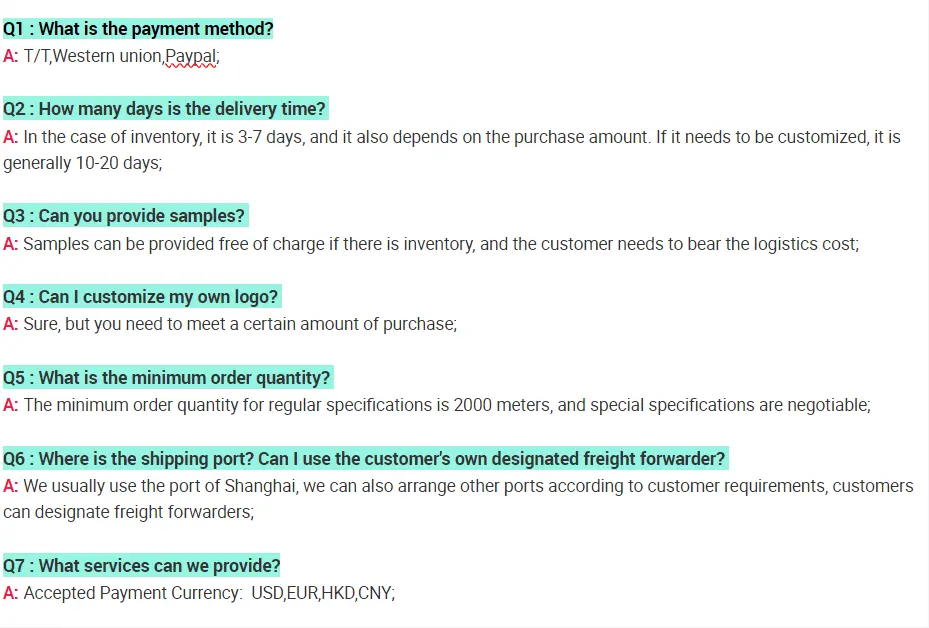
Stainless steel strip is simply an extension of ultra-thin stainless steel plate. It is a narrow and long steel plate produced mainly to meet the needs of industrial production of various metal or mechanical products in different industrial sectors.
Stainless steel coil strip 1
Stainless steel coil strip 2

Cold-rolled Strip

  • Using "stainless steel strip/coil" as raw material, it is rolled into a product at room temperature by a cold rolling mill. Conventional thickness <0.1mm~3mm>, width <100mm~2000mm>.
  • Cold-rolled steel strip/coil has the advantages of smooth surface, flatness, high dimensional accuracy and good mechanical properties. Most of the products are rolled and can be processed into coated steel plates.
Production Process:
Pickling → Room temperature rolling → Process lubrication → Annealing → Flattening → Precision cutting → Packaging → Delivery.
Stainless steel coil strip 3
Stainless steel coil strip 4

Hot-rolled Strip

  • The hot rolling machine produces strips with a thickness of 1.80mm-6.00mm and a width of 50mm-1200mm.
  • Hot-rolled strip/sheet offers advantages such as low hardness, easy processing, and excellent ductility.
Production Process:
1. Pickling → 2. High temperature rolling → 3. Process lubrication → 4. Annealing → 5. Leveling → 6. Precision cutting → 7. Packaging → 8. Delivery.

Difference Between Hot and Cold Rolling

  • Performance: Cold-rolled steel strip has superior strength and yield strength ratio, while hot-rolled steel strip provides better ductility and toughness.
  • Quality: The surface quality, appearance, and dimensional accuracy of cold-rolled steel strips are significantly better than hot-rolled plates.
  • Thickness: Cold-rolled steel strips can be manufactured to ultra-thin specifications, whereas hot-rolled strips are typically thicker.

ASTM Specification (A240)

Standard Steel Grade Ni% Max. Cr% Max. C% Max. Si% Max.
ASTM A240 S30100 6.0~8.0 16.0~18.0 0.15 1
S30400 8.0~10.5 17.5~19.5 0.07 0.75
S30403 8.0~12.0 17.5~19.5 0.03 0.75
S31008 19.0~22.0 24.0~26.0 0.08 1.5
S31603 10.0~14.0 16.0~18.0 0.03 0.75
S32100 9.0~12.0 17.0~19.0 0.08 0.75
S41000 0.75 11.5~13.5 0.08~0.15 1
S43000 0.75 16.0~18.0 0.12 1
S43932 0.5 17.0~19.0 0.03 1
steel-strip-splicing-1
FAQ Icon Frequently Asked Questions
Q1: What exactly is a stainless steel strip?
A stainless steel strip is an extension of ultra-thin stainless steel plate, designed as a narrow and long steel plate to meet various industrial production needs for metal or mechanical products.
Q2: What are the main benefits of using cold-rolled stainless steel strips?
Cold-rolled strips offer a smooth surface, high dimensional accuracy, excellent flatness, and superior mechanical properties compared to hot-rolled alternatives.
Q3: What thickness ranges are available for cold-rolled and hot-rolled strips?
Cold-rolled strips typically range from <0.1mm to 3mm, while hot-rolled strips are generally thicker, ranging from 1.80mm to 6.00mm.
Q4: How does the production process differ between cold and hot rolling?
Cold rolling is performed at room temperature after pickling, whereas hot rolling involves high-temperature rolling to achieve better ductility and lower hardness.
Q5: Which stainless steel grades are covered under the ASTM A240 specification?
The ASTM A240 specification includes common grades such as S30100, S30400 (304), S30403 (304L), S31603 (316L), S32100, and various 400 series grades like S41000 and S43000.
Q6: In what applications are hot-rolled strips preferred?
Hot-rolled strips are preferred in applications requiring easy processing and good ductility where the ultra-smooth finish and high precision of cold rolling are not critical.

Related Products