 Mei Shen STEEL
1 / 2
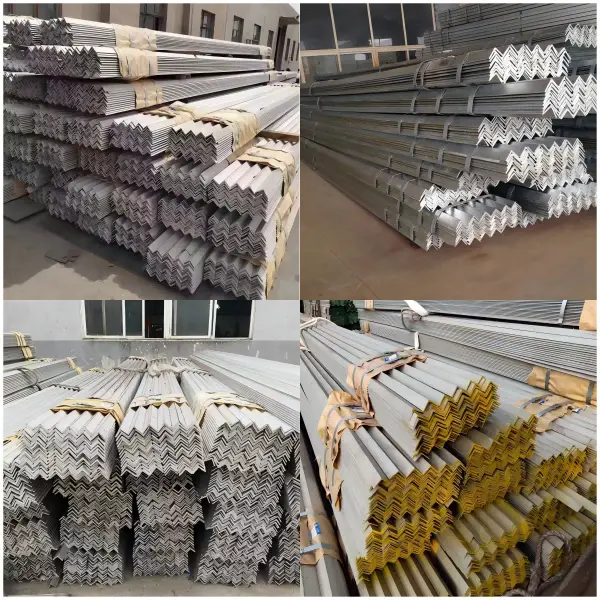
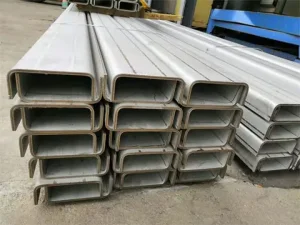
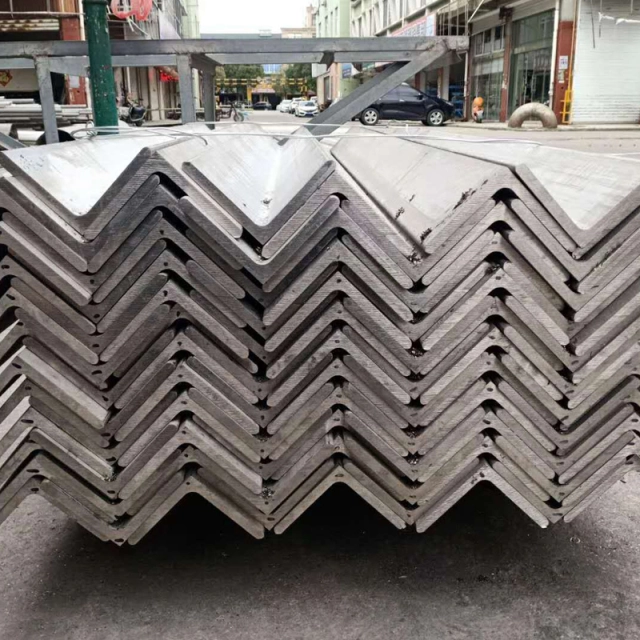
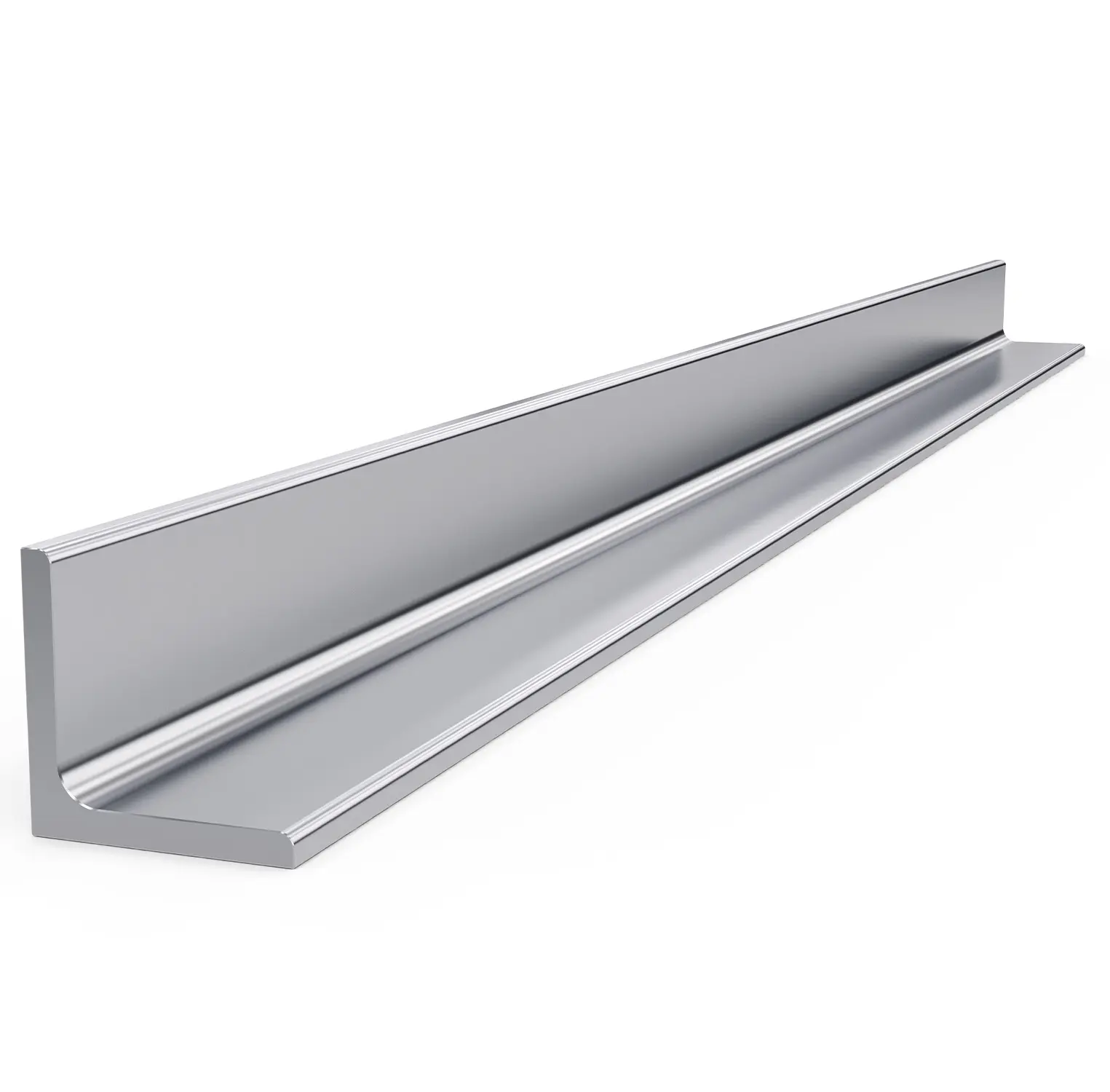
Stainless steel angle steel generally refers to long strips of steel with stainless steel material and two sides at right angles. According to the length of the strip, it is divided into equilateral stainless steel angle steel and unequal stainless steel angle steel.
Equilateral stainless steel angle steel has two sides of equal width. Common stainless steel materials for manufacturing stainless steel angle steel include martensitic stainless steel, ferritic stainless steel, duplex stainless steel, austenitic stainless steel, and precipitation hardening stainless steel.
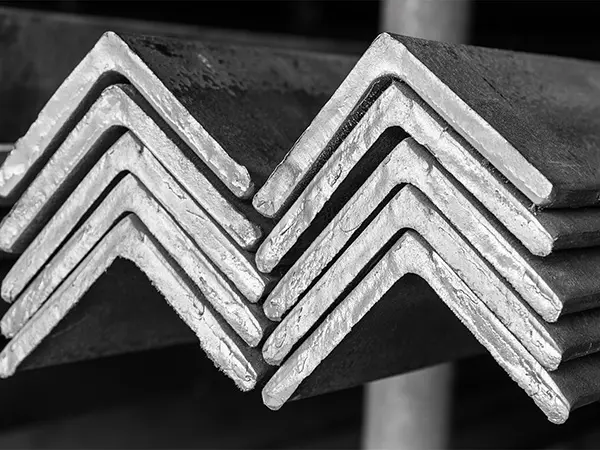
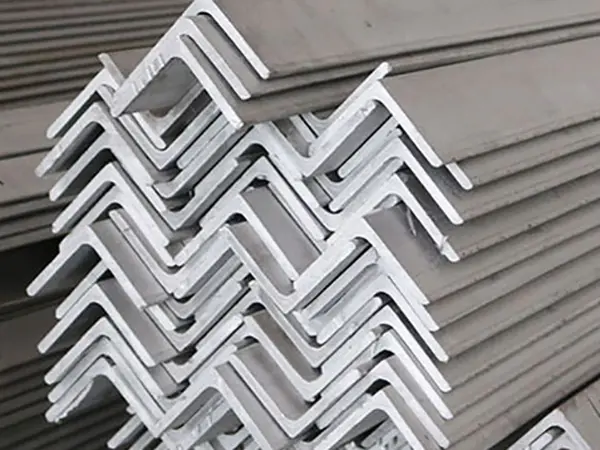
Common Uses: Widely used in various building structures and engineering structures, from civil beams, warehouse shelves, equipment rack bases, to industrial bridges, transmission towers, lifting and transportation machinery, and even military ships, industrial furnaces, reaction towers, and container racks.
Compared with angle steels of other materials (such as angle irons), stainless steel angle steel is unparalleled in material performance. It is a carbon structural steel used for construction, requiring good weldability, plastic deformation performance, and certain mechanical strength.
| Item | Details |
|---|---|
| Standard | JIS, AISI, ASTM, GB, DIN, EN |
| Property | Stainless steel equal angle / unequal angle |
| Specifications Range | 20# ~ 100# |
| Length | 3m - 6m or as per requirements |
| Manufacturing Process | Hot rolled |
| Surface Treatment | Pickled, sandblasting, polished |
| Main Grades | 201, 301, 302, 303, 304, 304L, 316, 316L, 321, 309S, 310S, 410, 430, etc. |
| HS Code | 72224000 |
| Packing | Standard Export Sea-worthy Packing |
| Grade | C (max) | Mn (max) | Si (max) | P (max) | S (max) | Cr | Ni |
| SS 304 | 0.08 | 2.0 | 0.75 | 0.045 | 0.030 | 18.0–20.0 | 8.0–11.0 |
| SS 304L | 0.035 | 2.0 | 1.0 | 0.045 | 0.030 | 18.0–20.0 | 8.0–13.0 |
| Density | Melting Point | Tensile Strength | Yield Strength | Elongation |
| 8.0 g/cm3 | 1400 °C | 515 MPa | 205 MPa | 35% |
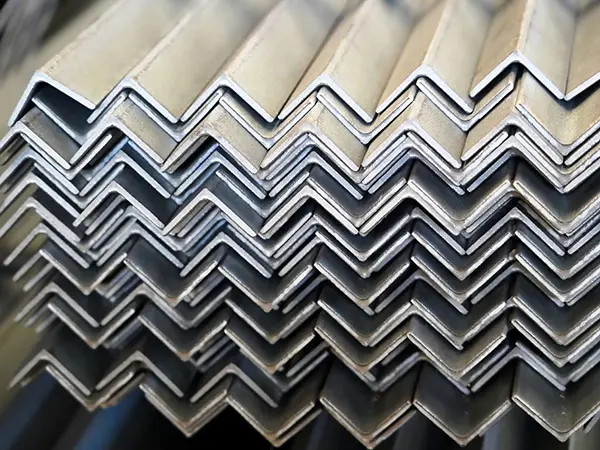
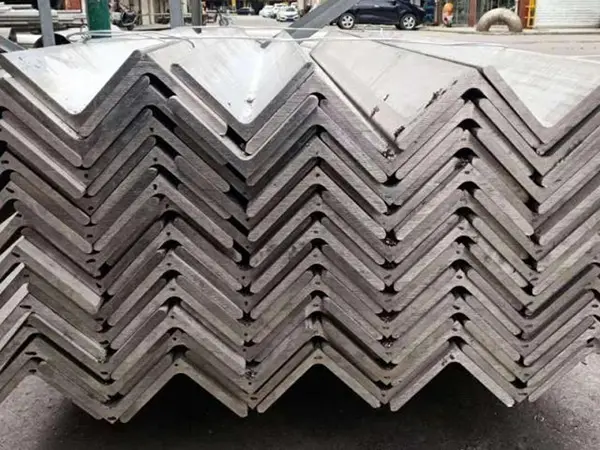
| 25*25*3 | 75*75*6 | 125*125*12 | 32*20*4 | 75*50*8 | 110*70*8 |
| 25*25*4 | 75*75*7 | 125*125*14 | 40*25*3 | 75*50*10 | 110*70*10 |
| 30*30*3 | 75*75*8 | 140*140*10 | 40*25*4 | 80*50*5 | 125*80*7 |
| 40*40*5 | 80*80*10 | 160*160*14 | 50*32*4 | 90*50*5 | 140*90*8 |
| 60*60*6 | 100*100*8 | 180*180*16 | 63*40*5 | 100*63*7 | 160*100*12 |
| 70*70*8 | 125*125*8 | 25*16*4 | 75*50*5 | 110*70*6 | 200*125*14 |