Overview
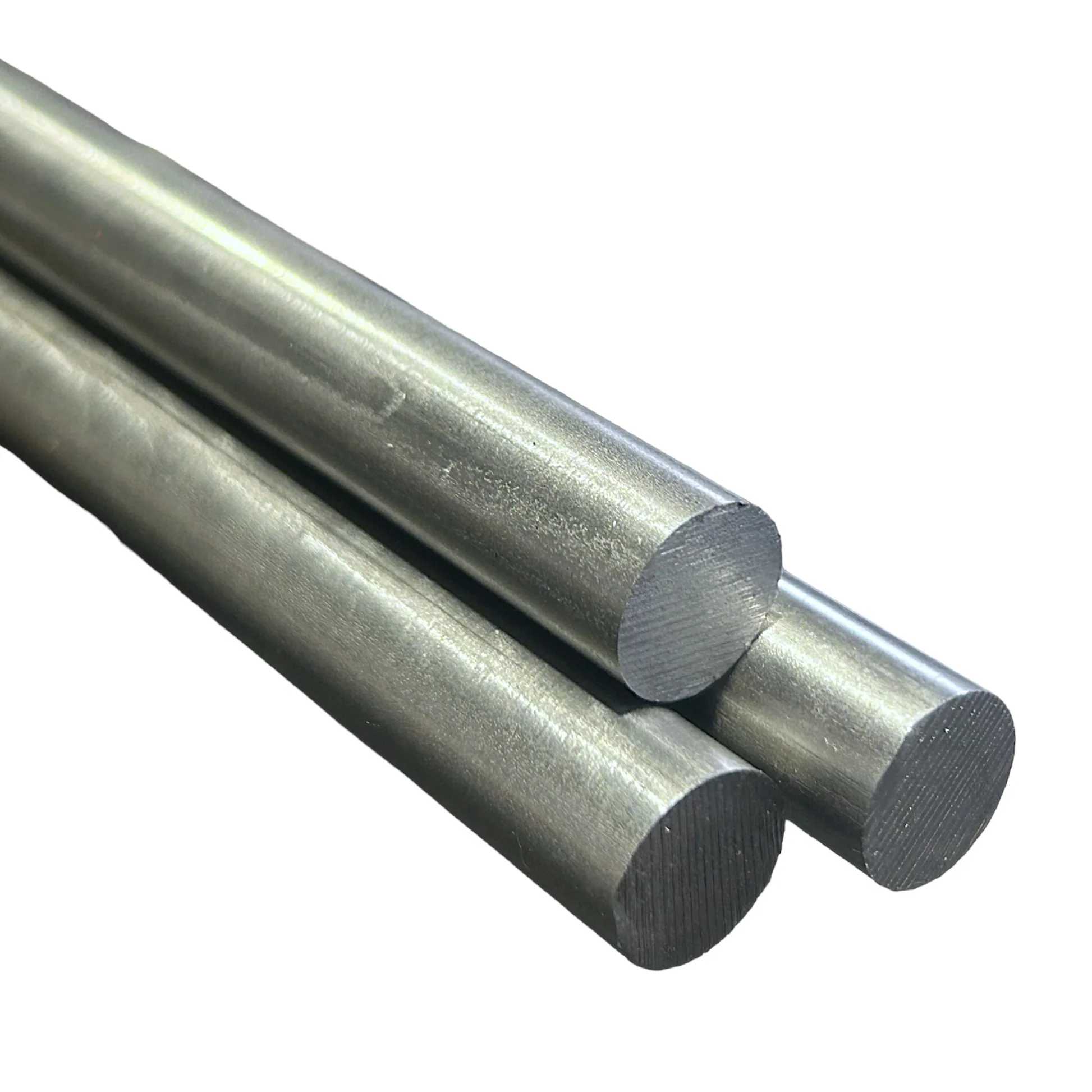
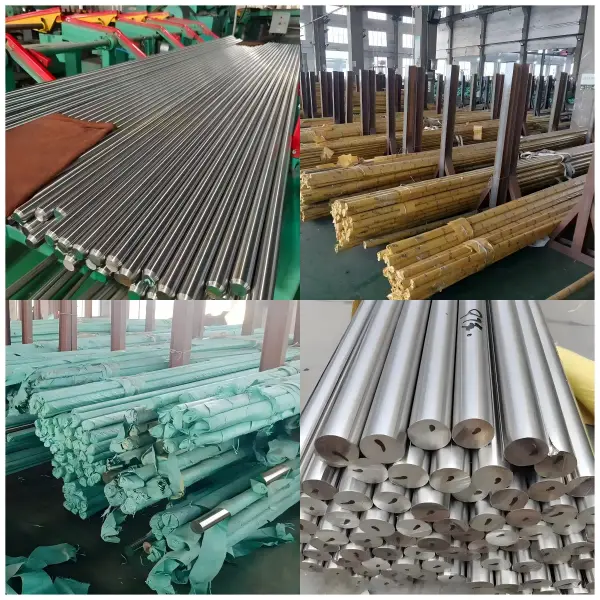
Hastelloy C276 is a nickel-chromium-molybdenum alloy containing tungsten. It is renowned for its exceptional corrosion resistance and is considered one of the most widely used corrosion-resistant alloys globally, performing reliably in the most aggressive chemical environments.
Key Features and Benefits
◈ Excellent Corrosion Resistance
Exhibits superior performance in both reducing and oxidizing environments. Resists wet chlorine gas, hypochlorite, and chlorine dioxide solutions.
◈ Localized Corrosion Resistance
Outstanding resistance to pitting, crevice corrosion, and stress corrosion cracking (SCC) due to high nickel and molybdenum content.
◈ Superior Weldability
Extremely low carbon content suppresses grain boundary precipitates in the heat-affected zone (HAZ), allowing use in as-welded conditions.
◈ High-Temperature Performance
Maintains oxidation resistance up to approximately 1900°F (1038°C) in oxidizing atmospheres.
Main Applications
Chemical Processing
Pollution Control
Oil and Gas
Paper and Pulp
Pharmaceutical
Marine Environments
- Pollution Control: Flue gas desulfurization (FGD) systems, scrubbers, and stack liners.
- Chemical Equipment: Reactors, heat exchangers, and distillation columns.
- Offshore: Components handling highly corrosive fluids and seawater.
Material Specification Chart
| Specifications |
ASTM B446 / ASTM SB446 |
| Size (A/F) |
2 - 100mm |
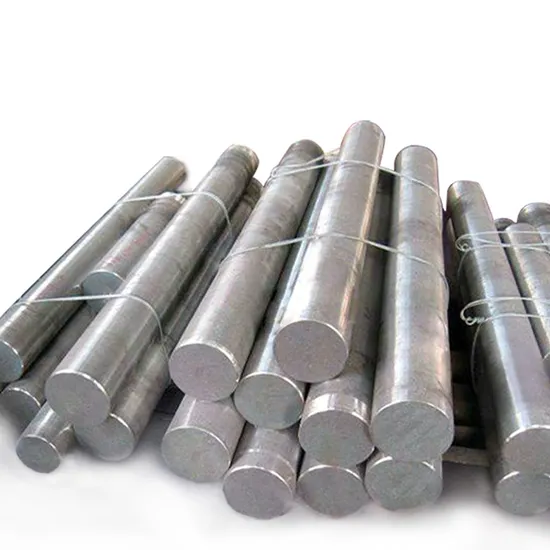
| Round Bar Diameter |
3 - 800mm |
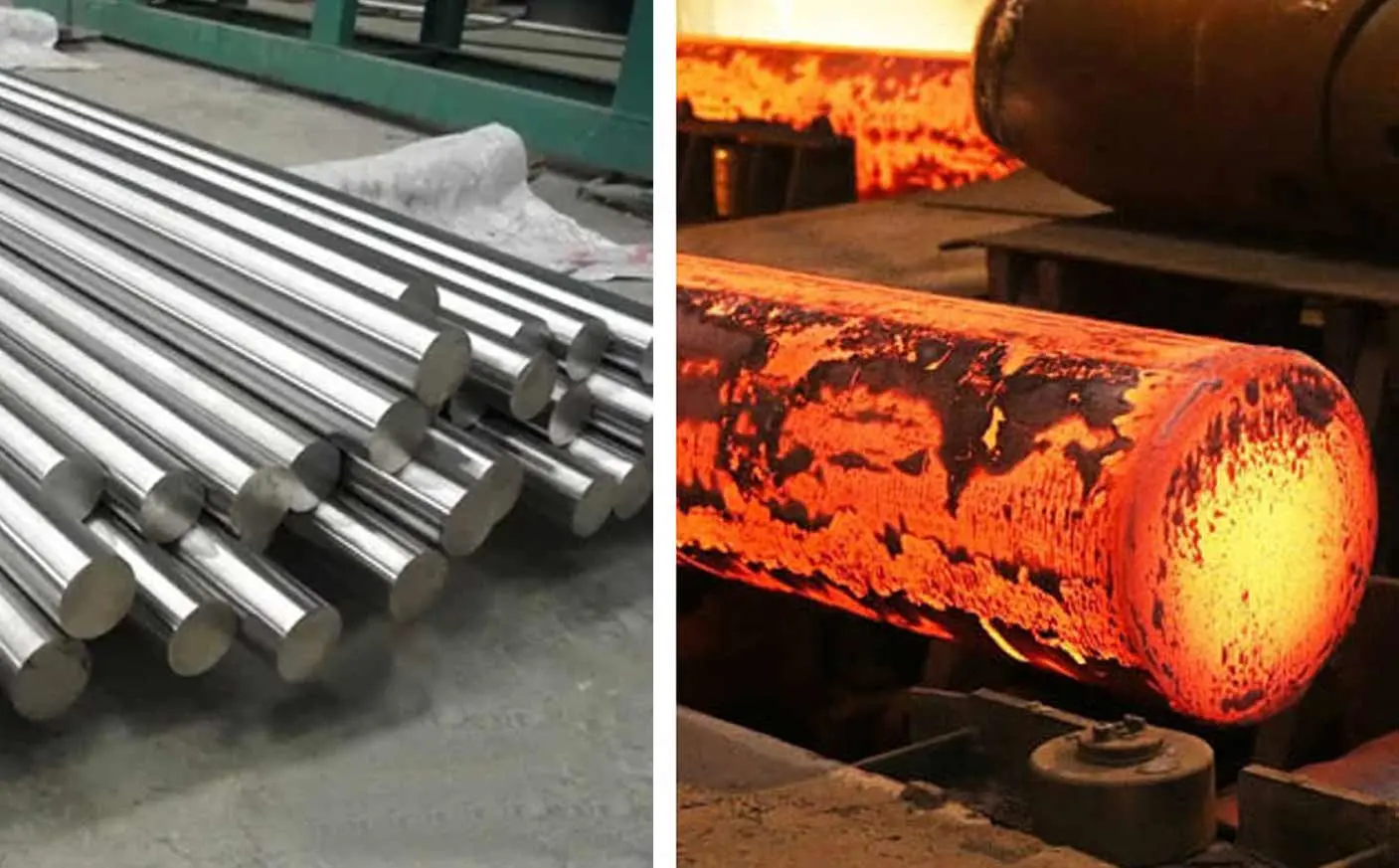
| Finish |
Cold (bright) drawn, centreless ground, hot rolled, smooth turned, peeled, polished, and black. |
| Tolerance |
H8, H9, H10, H11, H12, H13, K9, K10 or as per client requirements. |
| Forms Available |
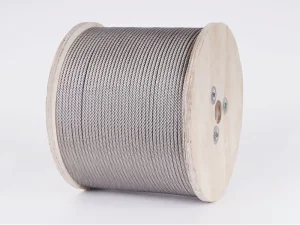
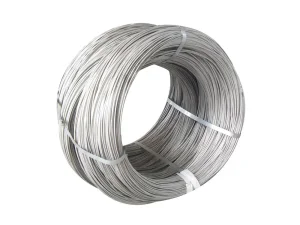
Round, Square, Hex, Flat, Billet, Ingot, Threaded, Forging, etc. |
Grade and International Specifications
| UNS Designation |
N10276 |
| ASTM Spec |
ASTM B574 |
| International Standards |
ISO 9723, ISO 9724, DIN 17752, DIN 17753, DIN 17754 |
Chemical Composition (%)
| 0.01 max |
1.00 max |
0.08 max |
Bal. |
14.5-16.5 |
15.0-17.0 |
3.0-4.5 |
4.0-7.0 |
Frequently Asked Questions (FAQ)
What is the main advantage of Hastelloy C276?
Its primary advantage is exceptional resistance to a wide range of corrosive media, including strong oxidizers like ferric and cupric chlorides, and hot contaminated media.
Is Hastelloy C276 suitable for marine applications?
Yes, it is highly resistant to seawater corrosion, pitting, and crevice corrosion, making it ideal for offshore oil and gas components.
Can C276 round bars be welded easily?
Yes, it has excellent weldability. Due to its very low carbon content, it avoids the formation of grain boundary precipitates that cause corrosion in the weld zone.
What is the typical diameter range for round bars?
Standard diameters range from 3mm up to 800mm, though custom sizes can often be processed via forging or cutting.
Does C276 work well in high temperatures?
It maintains good oxidation resistance up to 1038°C (1900°F), though it is primarily selected for its liquid-phase corrosion resistance.
What industries use Hastelloy C276 most frequently?
It is most common in chemical processing, petrochemical, pollution control (FGD), and pulp and paper industries.

 Mei Shen STEEL