 Mei Shen STEEL
1 / 1
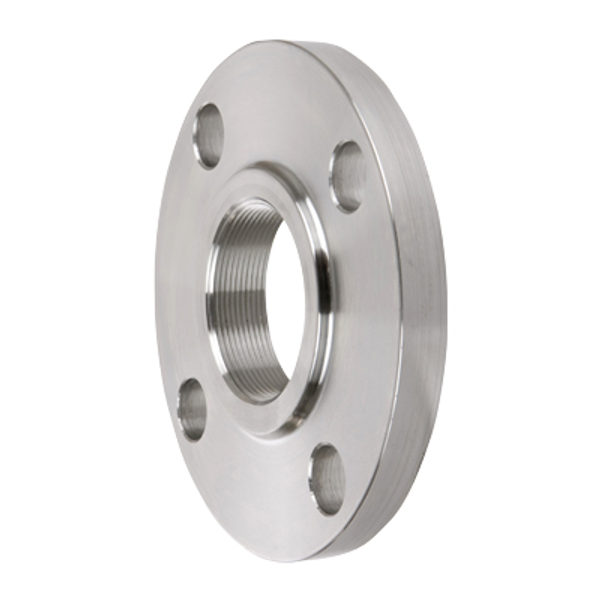
A flange, also commonly known as a flange flange or simply a flange, is a critical component used to connect shafts or pipe ends. These parts facilitate the connection between two pieces of equipment, such as through reducer flanges at inlets and outlets. A flange connection (or joint) represents a detachable sealing structure comprised of flanges, gaskets, and bolts working in unison.
The primary function of stainless steel flanges is to bridge pipe ports. The edges are designed with holes to accommodate stainless steel bolts that secure the matched pair. To ensure a leak-proof seal, various gaskets—including polytetrafluoroethylene (PTFE), metal, silicon, and asbestos—are placed between the flange faces.
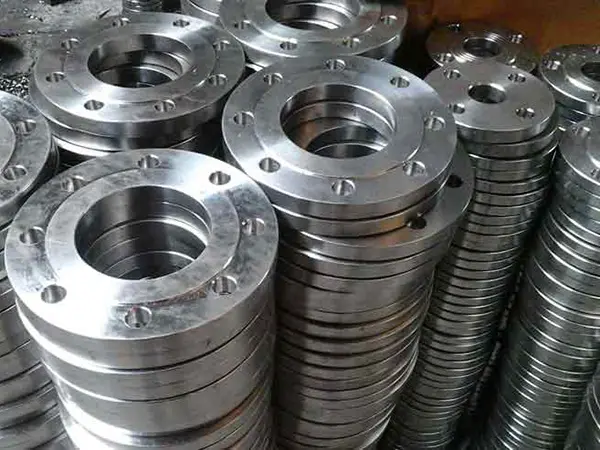
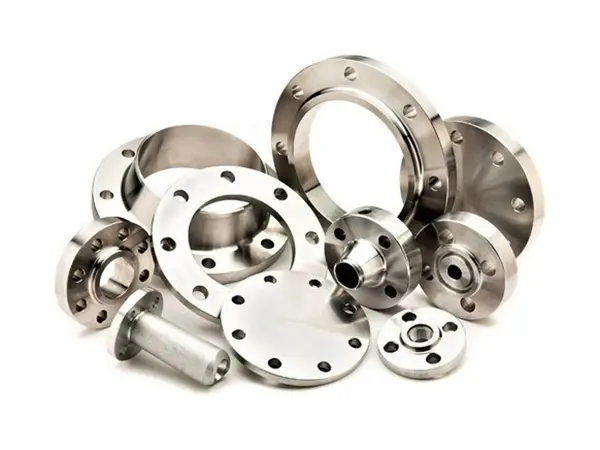
Stainless steel flanges are a staple in pipeline engineering. They are typically utilized in pairs or alongside valve flanges. The selection of the gasket is vital; while the pipe material influences the choice, the gasket itself is the key to maintaining a secure seal. For instance, asbestos gaskets are highly effective in preventing corrosion in stainless steel assemblies.
| Pipe Size | Flange OD | Bolt Dia. | Dia. | No. | Bolt Circle Dia | Max Pressure |
|---|---|---|---|---|---|---|
| 1/2" | 3 1/2" | 1/2" | 5/8" | 4 | 2 3/8" | 230 psi @ 72°F |
| 3/4" | 3 7/8" | 1/2" | 5/8" | 4 | 2 3/4" | 230 psi @ 72°F |
| 1" | 4 1/4" | 1/2" | 5/8" | 4 | 3 1/8" | 230 psi @ 72°F |
| 1 1/4" | 4 5/8" | 1/2" | 5/8" | 4 | 3 1/2" | 230 psi @ 72°F |
| 1 1/2" | 5" | 1/2" | 5/8" | 4 | 3 7/8" | 230 psi @ 72°F |
| 2" | 6" | 5/8" | 3/4" | 4 | 4 3/4" | 230 psi @ 72°F |
| 2 1/2" | 7" | 5/8" | 3/4" | 4 | 5 1/2" | 230 psi @ 72°F |
| 3" | 7 1/2" | 5/8" | 3/4" | 4 | 6" | 230 psi @ 72°F |
| 4" | 9" | 5/8" | 3/4" | 8 | 7 1/2" | 230 psi @ 72°F |
| 6" | 11" | 3/4" | 7/8" | 8 | 9 1/2" | 230 psi @ 72°F |
| 8" | 13 1/2" | 3/4" | 7/8" | 8 | 11 3/4" | 230 psi @ 72°F |
| 10" | 16" | 7/8" | 1" | 12 | 14 1/4" | 230 psi @ 72°F |
| 12" | 19" | 7/8" | 1" | 12 | 17" | 230 psi @ 72°F |