China 6x19S-FC & 6x19W-FC,6mm-22mm Fiber Core for Suspension Rope Supplier, Factories

Product Features

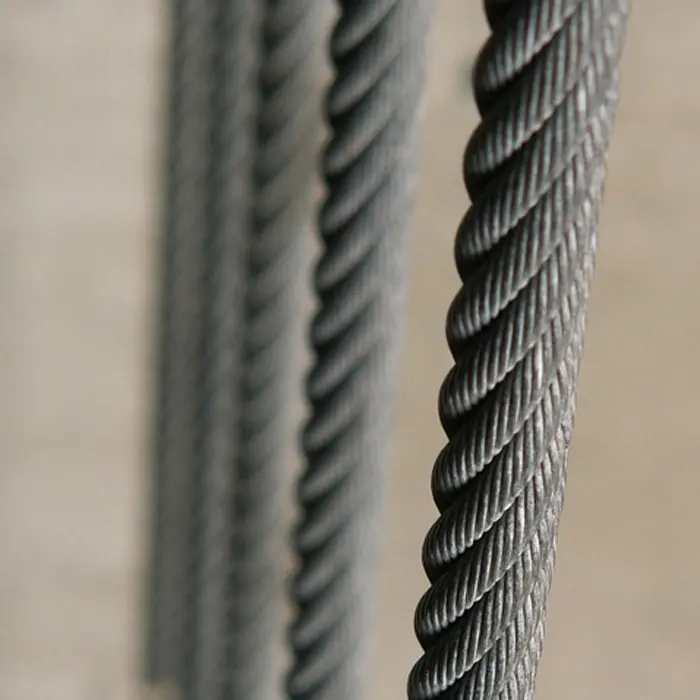
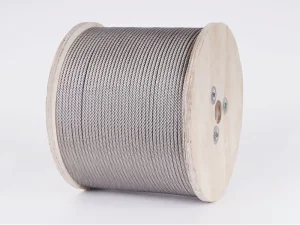
Composition: Made of natural sisal core (NFC) or synthetic fiber core (SFC), preformed, smooth, right-hand, and alternately laid.

Applications: Natural fiber core (NFC): Suitable for low-speed, low-rise, and low-frequency traction ropes. Synthetic fiber core (SFC): Suitable for speed governors.

Product Description

Elevator Steel Wire Rope Overview

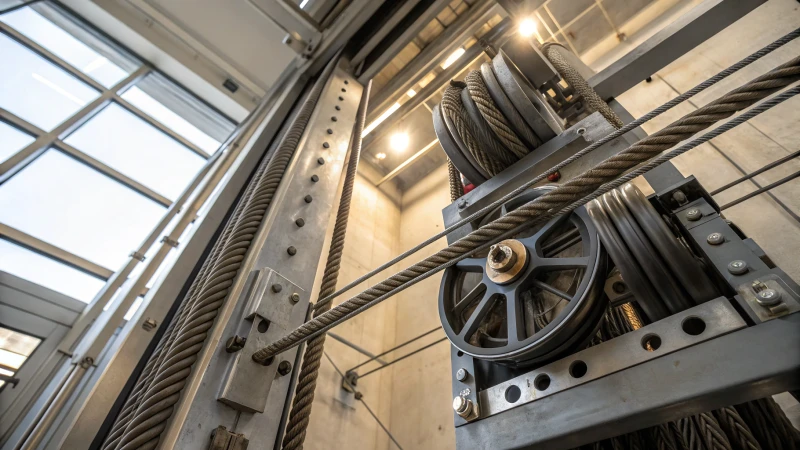
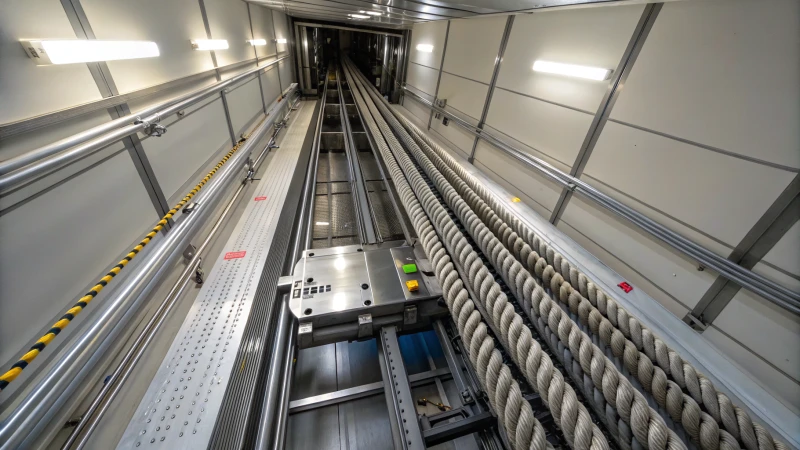
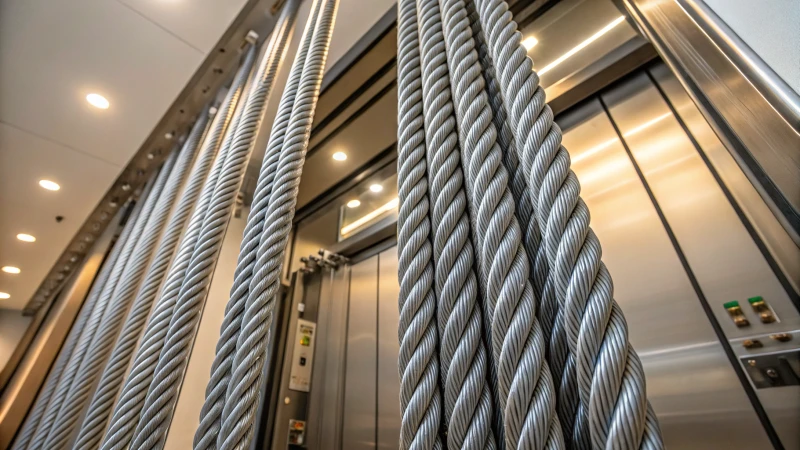
Elevator wire rope is a critical load-bearing component designed to suspend the elevator car and counterweight. It drives the elevator system through friction generated between the rope and the traction wheel.

1Functional Positioning

Load-bearing It bears almost the entire weight of the elevator including the car, load, counterweight, and the weight of the wire rope itself.
Drive System Utilizes friction with the traction wheel to transmit power, driving the car and counterweight movement.
Wearing Parts Due to constant bending around wheels and bearing high friction/pressure, it is classified as a primary wearing part.

2Structural Composition

A standard elevator wire rope consists of three primary elements:
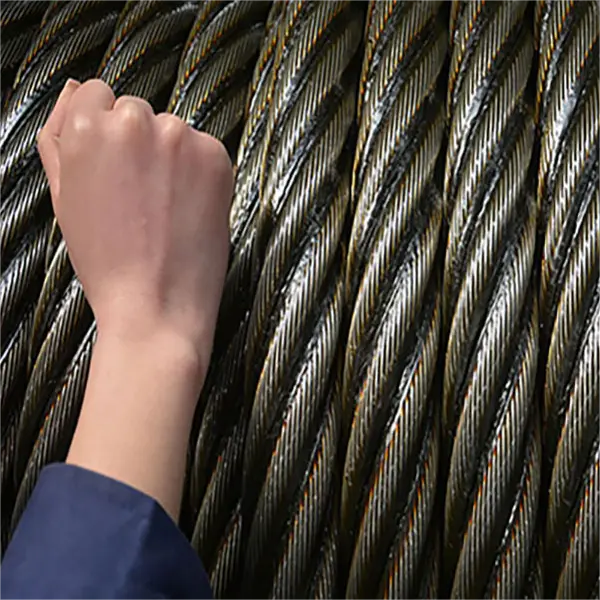
Steel Wire The basic strength unit, manufactured for high strength and extreme toughness.
Strand Multiple wires twisted together. Most elevator ropes use 6 or 8 strands. More wires provide better flexibility but slightly lower wear resistance.
Rope Core Located in the center to support strands. Types include fiber cores (sisal or synthetic for flexibility/oil storage) or steel cores (IWRC or CSC).

3Technical Performance

High Strength Sufficient tensile strength to safely handle full operational loads.
Flexibility Engineered to adapt to repeated bending over traction and guide wheels.
Wear Resistance Built to resist specific pressure and friction within rope grooves.

4Classification & Type

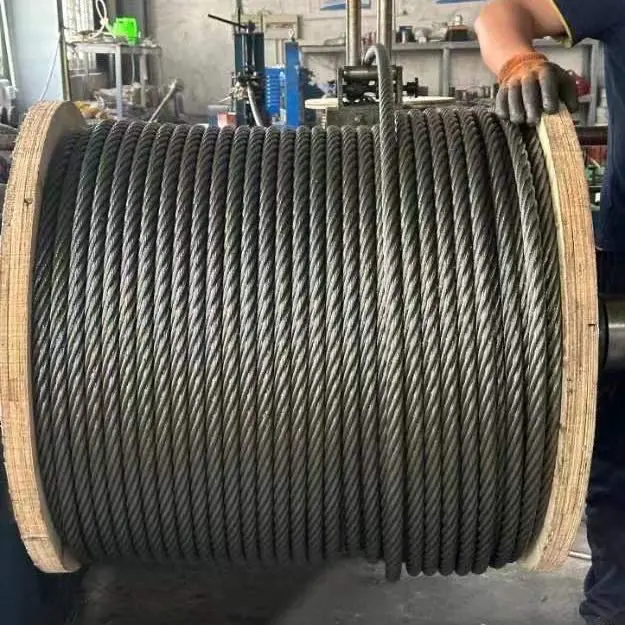
  • Suspension wire rope: Suspends car and counterweight (e.g., 8×19S+SFC or 6×19S+SFC).
  • Speed governor wire rope: Connects speed governor and car (usually 6×19S+SFC).
  • Compensation wire rope: Balances traction rope weight as car position changes.
  • Contact state: Classified as point contact, line contact, or surface contact.

Datasheet for Reference

Nominal Rope Diameter (mm) Approx. Weight (kg/100m) Minimum Breaking Load (kN)
Dual Tensile (MPa) Single Tensile (MPa)
1320/1620 1370/1770 1570/1770 1570 1620 1770 1960
612.916.817.819.518.719.221.023.3
823.029.831.734.633.234.237.441.4
1035.946.549.554.151.853.558.464.7
1251.767.071.377.974.677.084.193.1
1360.778.683.791.587.690.398.7109
1691.9119127139133137150166

Technical Tolerance Data

Steel Wire Rope Diameter (Allowable Tolerance)
Zero Load: With Load (10% of Fmin):
Max 3% (< 10mm) Min -1%
Max 2% (> 10mm) Min -1% (> 10mm)

Frequently Asked Questions

What is the difference between 6-strand and 8-strand ropes?
8-strand ropes offer better flexibility and softness, making them ideal for many elevator applications, while 6-strand ropes typically provide higher wear resistance.
Why do elevator ropes use fiber cores?
Fiber cores, like sisal or synthetic materials, increase the rope's flexibility and act as a reservoir for lubricating oil, ensuring smooth operation.
What is the function of a speed governor wire rope?
The speed governor rope connects the safety governor to the elevator car, triggering safety gear if the elevator exceeds its rated speed.
What are the primary performance requirements for elevator ropes?
They must possess high tensile strength for load-bearing, flexibility for repeated bending, and excellent wear resistance against traction grooves.
How is elevator rope driven?
It relies on the friction generated between the rope and the traction wheel (sheave) to transmit the driving force to the car and counterweight.
What are the common rope structures for suspension?
Common suspension structures include 8×19S+SFC or 6×19S+SFC, where SFC stands for synthetic fiber core.

Related Products