China 304 Stainless steel angle bracket: easy installation, wide application Suppliers, Factories

Equal/unequal stainless steel angles, complete specifications to meet various needs

Specifications : ASTM A276, ASME SA276
Grade: 304, 304L, 316, 316L, 321
Technology: Hot Rolled, Welded, Bend
Form: Angle

Product Description

📋
Stainless Steel Angle Steel Overview
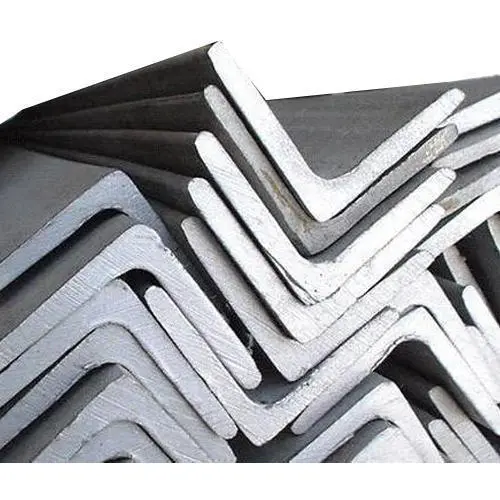
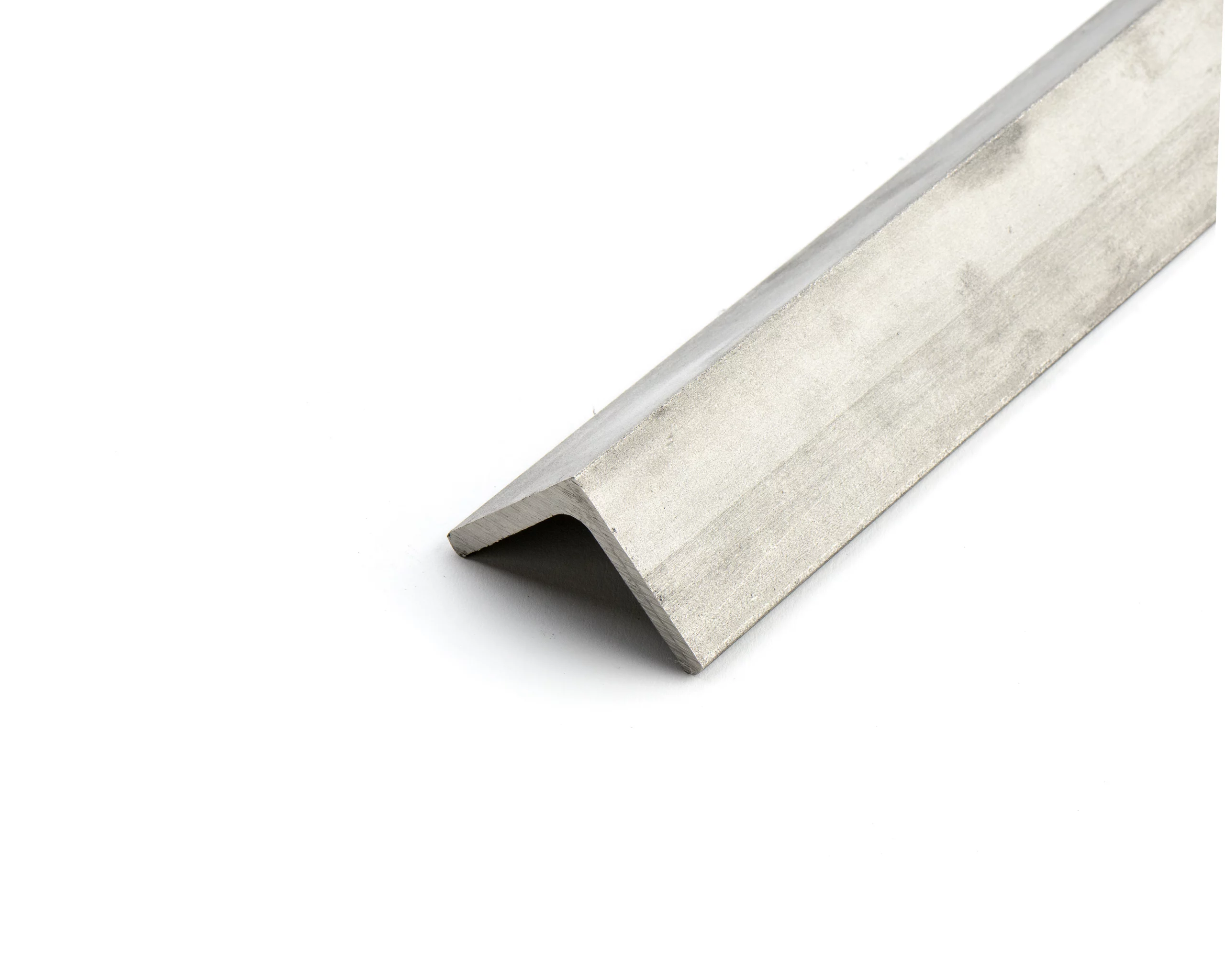
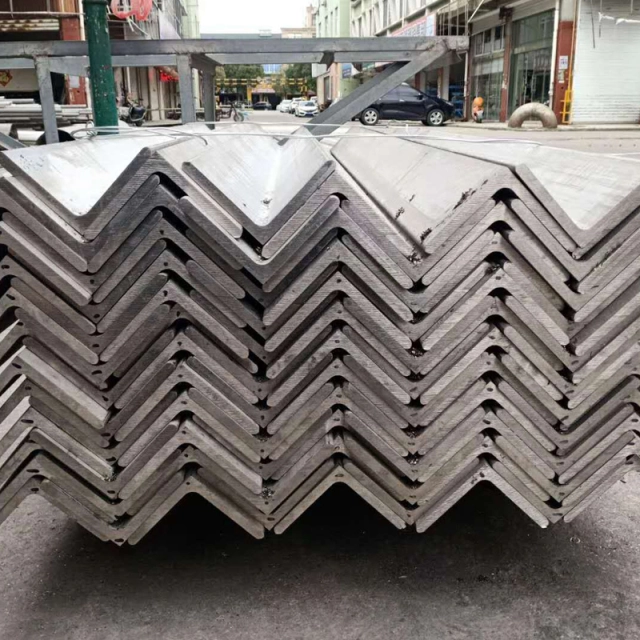
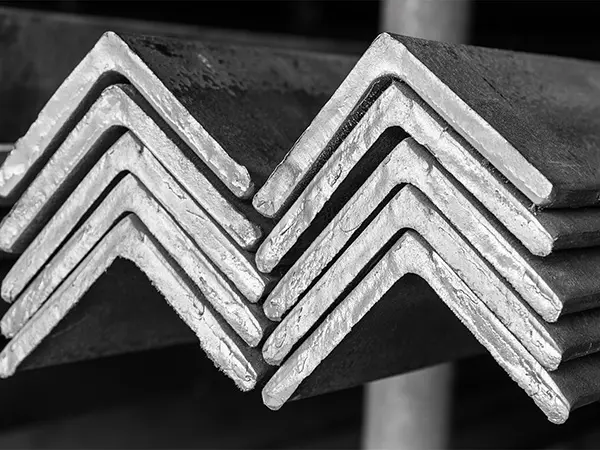
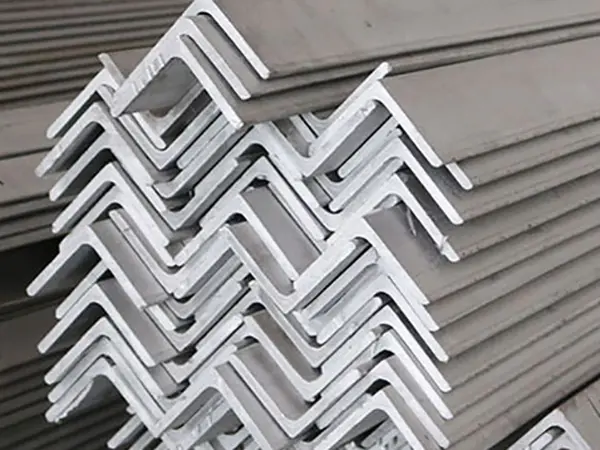
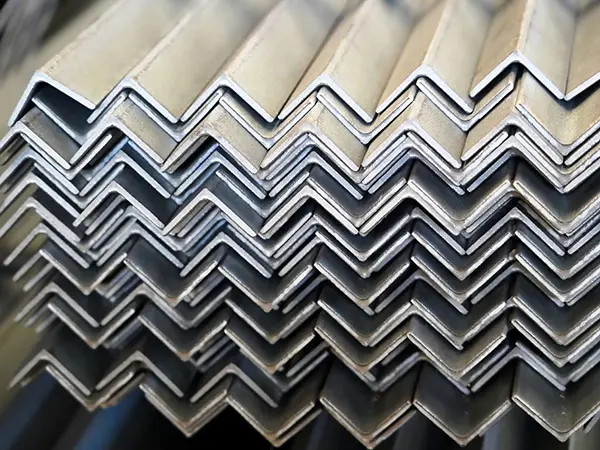
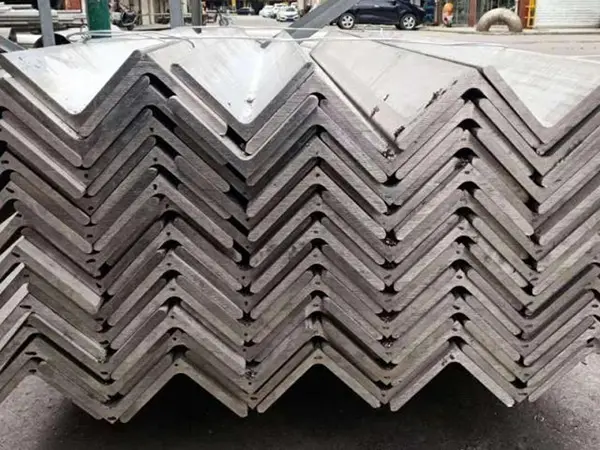
Stainless steel angle steel generally refers to long strips of steel with stainless steel material and two sides at right angles. According to the length of the strip, it is divided into equilateral stainless steel angle steel and unequal stainless steel angle steel.
Equilateral stainless steel angle steel has two sides of equal width. Common stainless steel materials for manufacturing include martensitic stainless steel, ferritic stainless steel, duplex stainless steel, austenitic stainless steel, and precipitation hardening stainless steel.
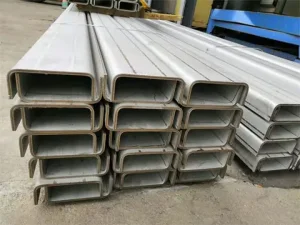
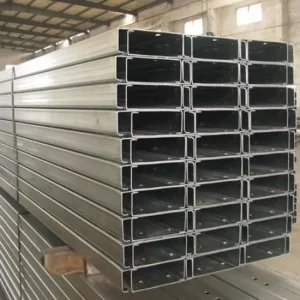
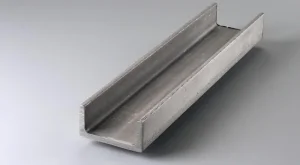
Stainless Steel Angle Bar 1
Stainless Steel Angle Bar 2
It is widely used in various building structures and engineering structures, from civil beams, warehouse shelves, equipment rack bases, to industrial bridges, transmission towers, lifting and transportation machinery, and even military ships, industrial furnaces, reaction towers, and container racks.
⚙️
Product Specifications
Category Detailed Parameters
Standard JIS, AISI, ASTM, GB, DIN, EN
Property Stainless steel equal angle
Specifications 20#~100#
20×20×(3,4,5) 30×30×(3,4,5) 40×40×(3,4,5,6) 50×50×(3,4,5,6)
60×60×(4,5,6,8) 63×63×(4,5,6,8) 65×65×(4,5,6,8) 70×70×(5,6,8,10)
75×75×(5,6,8,10) 80×80×(5,6,8,10) 100×100×(8,10,12) -
Manufacturing Process Hot rolled
Surface Treatment Pickled, sandblasting, polished
Main Grade 201, 301, 302, 303, 304, 321, 316, 316L, 309, 310, 310S, 431, 430, 420
Sales Mode Factory direct sales
🧪
Chemical & Mechanical Properties (304/304L)
Grade C (max) Mn (max) Si (max) P (max) S (max) Cr Ni
SS 304 0.08 2 0.75 0.045 0.030 18–20 8–11
SS 304L 0.035 2 1.0 0.045 0.03 18–20 8–13
Density Melting Point Tensile Strength Yield Strength Elongation
8.0 g/cm3 1400 °C 515 MPa 205 MPa 35%
⚖️
Theoretical Weight Calculation
Weight per meter (kg/m) = (Edge Width + Edge Width - Edge Thickness) × Edge Thickness × 0.00793
Stainless Steel Angle Bar 3
Stainless Steel Angle Bar 4
Common Sizes for Equal and Unequal Angle Bars (mm)
Size 1 Size 2 Size 3 Size 4 Size 5 Size 6
25*25*3 75*75*6 125*125*12 32*20*4 75*50*8 110*70*8
25*25*4 75*75*7 125*125*14 40*25*3 75*50*10 110*70*10
30*30*3 75*75*8 140*140*10 40*25*4 80*50*5 125*80*7
40*40*5 80*80*10 160*160*14 50*32*4 90*50*5 140*90*12
50*50*6 100*100*8 180*180*14 63*40*6 100*63*8 160*100*16
75*75*5 125*125*10 200*200*20 75*50*6 110*70*7 200*125*14
Frequently Asked Questions
What are the different types of stainless steel angle steel?
Stainless steel angle bars are classified into equilateral (equal side width) and unequal (different side widths) types. They can also be classified by material grades such as austenitic, martensitic, duplex, and ferritic stainless steel.
What are the primary applications of stainless steel angle bars?
They are widely used in construction for beams and factory frames, as well as in industrial settings for warehouse shelves, transmission towers, military ships, and reaction towers due to their mechanical strength and durability.
How is the theoretical weight of an angle bar calculated?
The formula used is: (Edge Width + Edge Width - Edge Thickness) × Edge Thickness × 0.00793. This provides the weight per meter in kilograms.
Why choose stainless steel over other materials for angle bars?
Stainless steel offers unparalleled performance in terms of corrosion resistance, mechanical strength, and plastic deformation, making it ideal for harsh environments or high-load structures.
What are the common surface treatments for these bars?
Common finishes include pickled, sandblasting, and polished surfaces, depending on the aesthetic and functional requirements of the project.
What is the standard manufacturing process?
The primary process is hot rolling. The finished bars are usually delivered in hot-rolled, normalized, or specifically treated states to ensure structural integrity and weldability.

Related Products