 Mei Shen STEEL
1 / 3
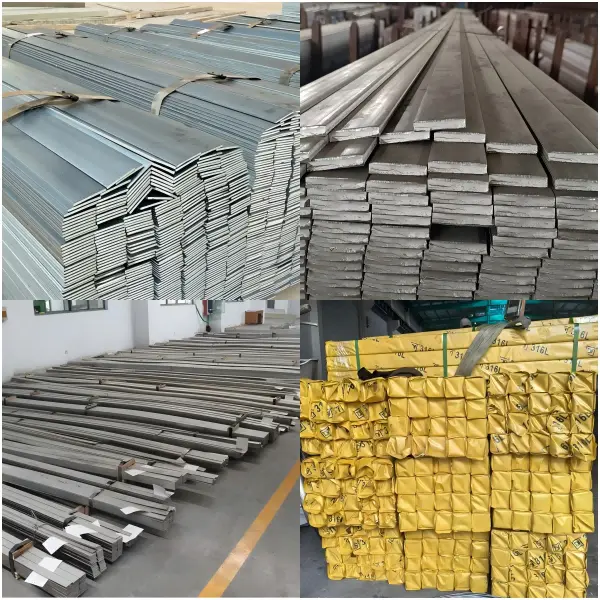
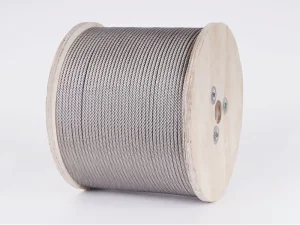
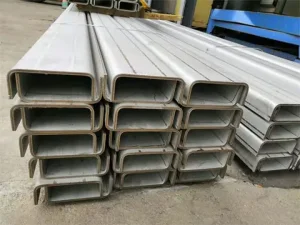
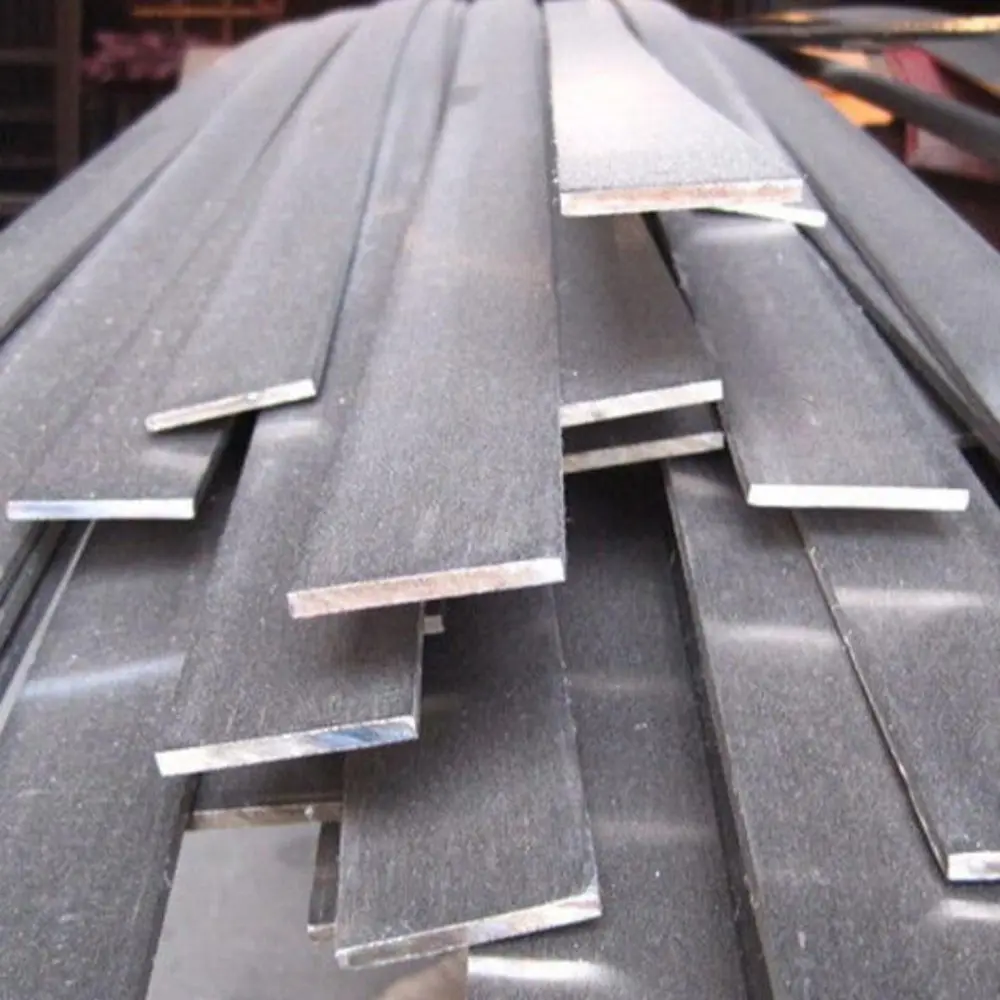
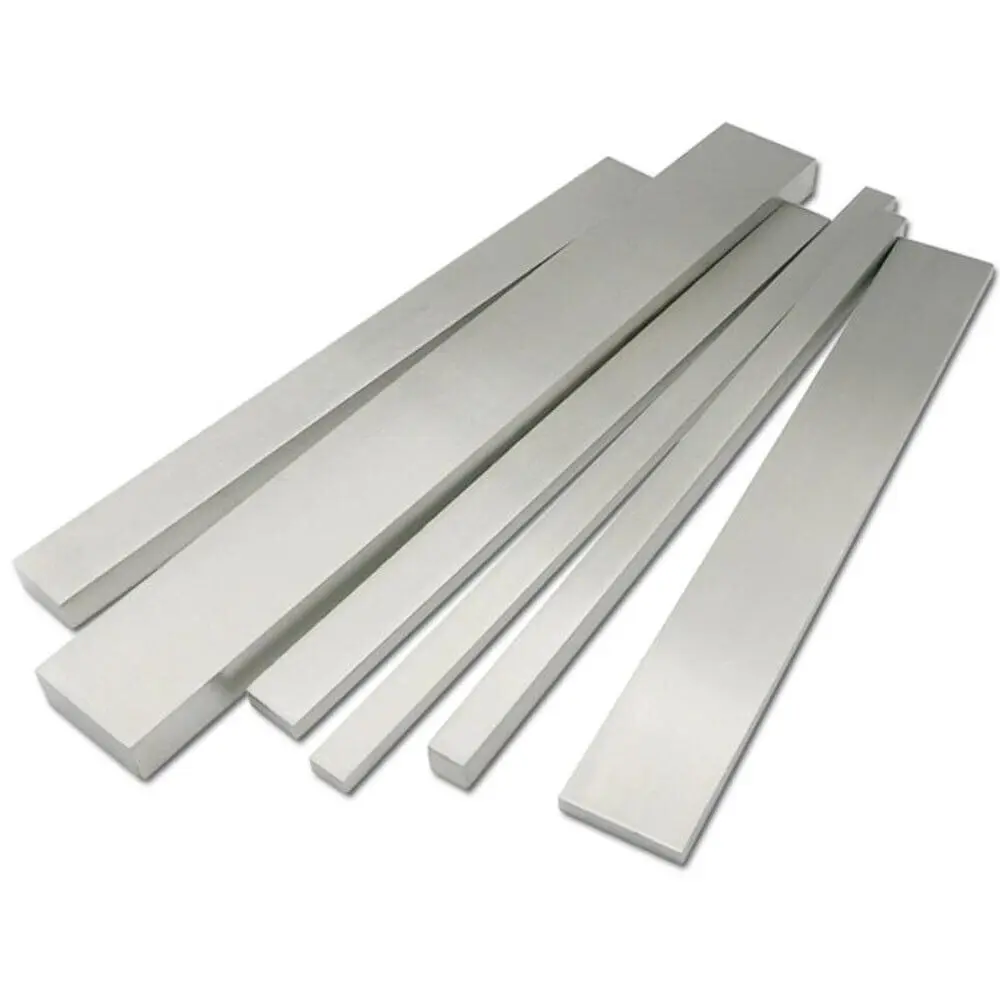
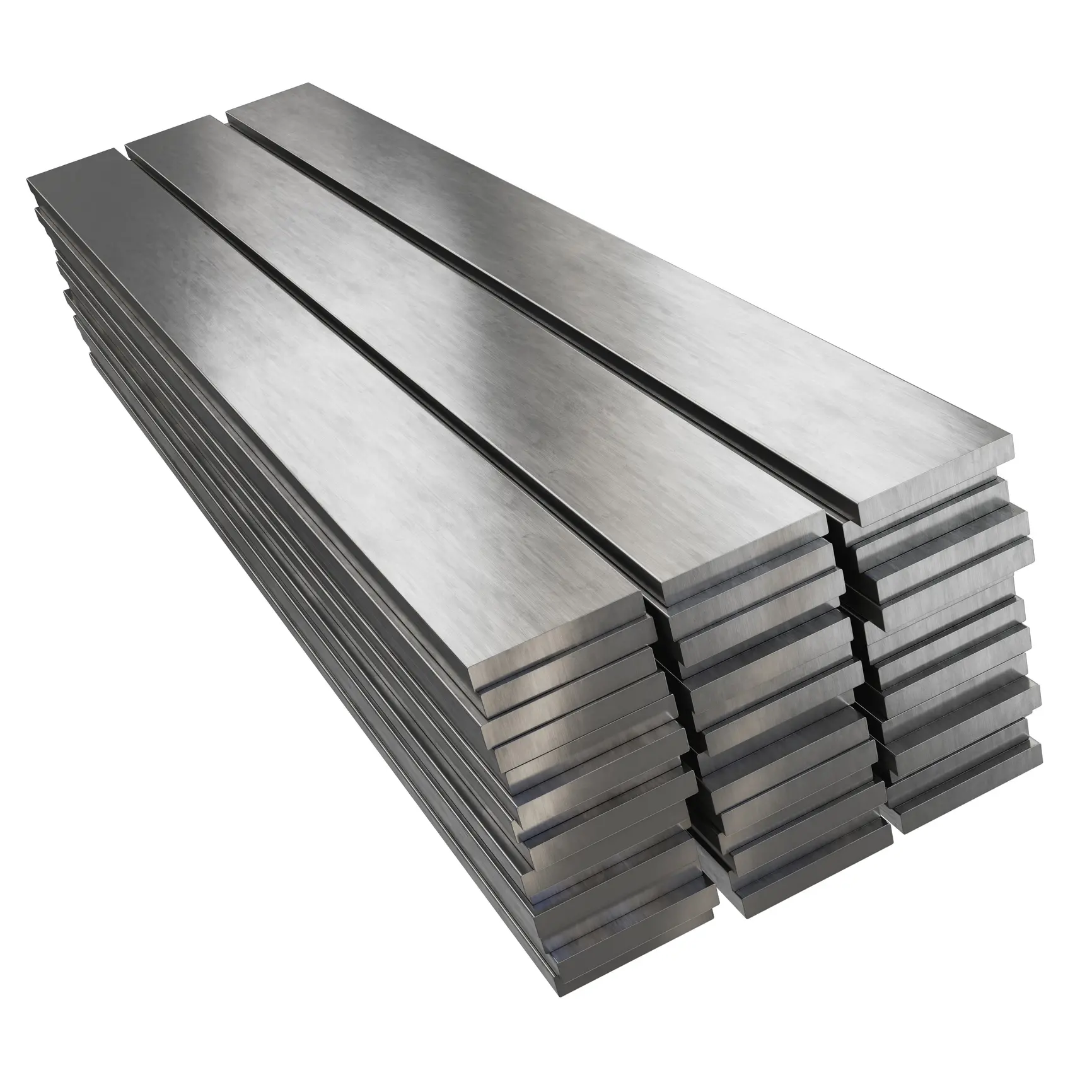
303 stainless steel flat bar is a solid, rectangular stainless steel bar from the austenitic stainless steel family. Its most notable characteristic is its excellent machinability. By adding sulfur or selenium to 304 stainless steel, 303 stainless steel's machinability is significantly improved, making it highly popular for parts requiring extensive machining.
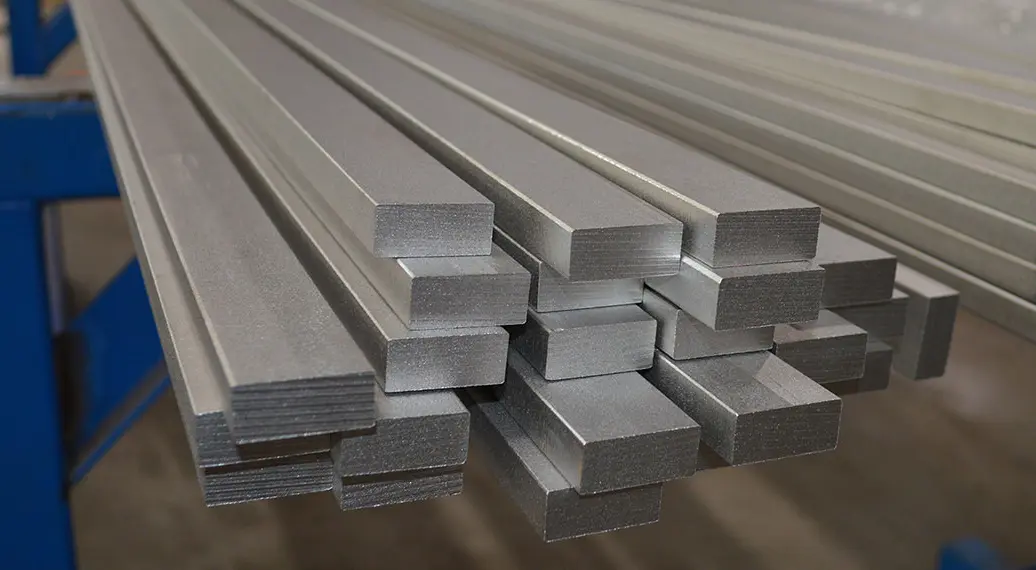
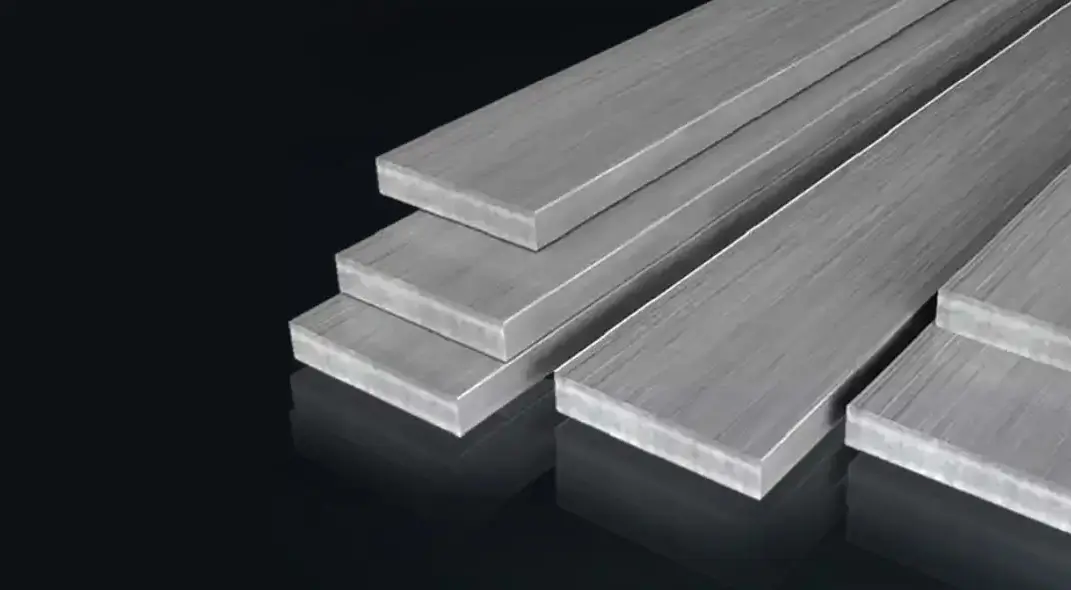
This is the most prominent feature of 303 stainless steel. The added sulfur forms manganese sulfide inclusions in the steel. These inclusions act as chip breakers during cutting, easily breaking the chips into smaller particles. This significantly reduces tool wear and improves machining efficiency.
Although some corrosion resistance is sacrificed to improve machinability, 303 stainless steel still possesses excellent corrosion resistance. It resists atmospheric corrosion and many weak acids and bases, but its corrosion resistance is not as strong as that of 304 and 316 stainless steels.
Due to its easy-to-cut properties, it is well-suited for mass production on automatic lathes and CNC machines. In its solution state, 303 stainless steel is non-magnetic, but may develop slight magnetism after cold working.
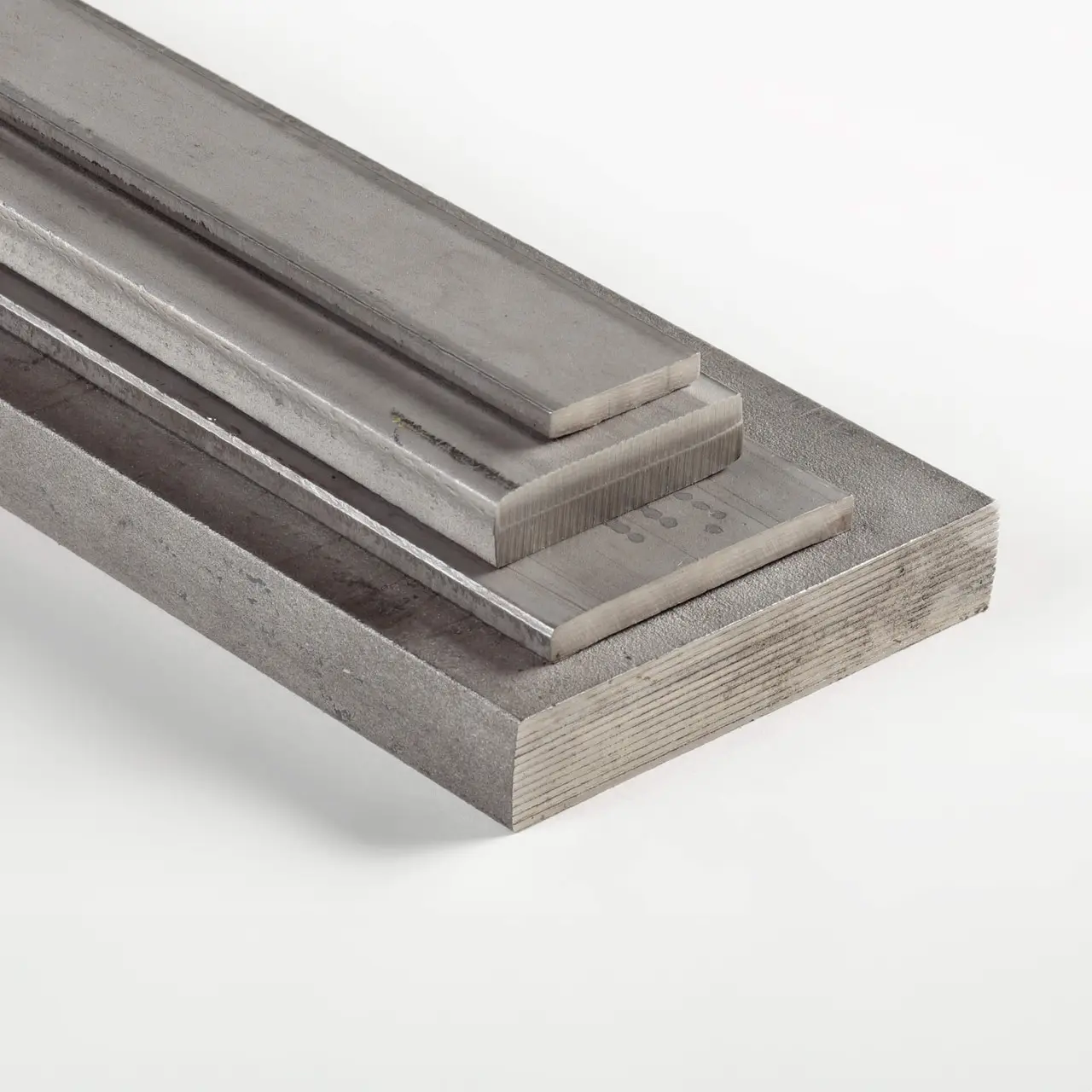
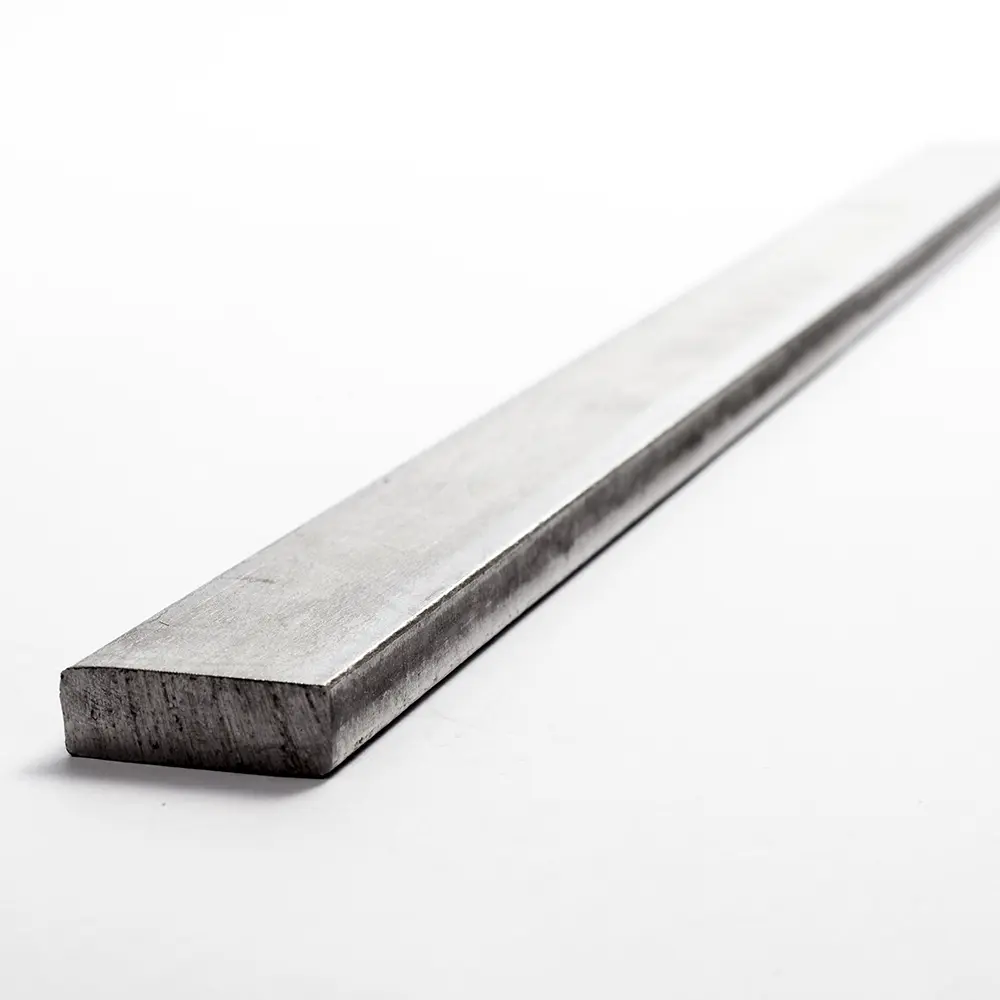
Due to its easy machinability, 303 stainless steel flat bar is often used to manufacture various components requiring extensive machining:
Specifications of 303 Stainless Steel Flat Bar
| Standard | ASTM A276, A484, A479, A580, A582, JIS G4303, JIS G4311, DIN 1654-5, DIN 17440, KS D3706, GB/T 1220 |
| Material | 201, 202, 301, 303, 304, 304L, 310S, 316, 316L, 321, 410, 420, 430, 2205, 904L, etc. |
| Surface | Pickled, Peeled, Black, Sand Blast, Bright, Mill, Mirror, Hairline etc. |
| Technology | Hot Rolled, Welded, Bend |
| Specifications | 20*3mm - 100*10mm or as required |
| Tolerance | -0.02 |
Chemical Composition Overview
| Category | Grade | C | Cr | Ni | Mn | P | S | Mo |
|---|---|---|---|---|---|---|---|---|
| Austenite/Ferrite | 329J1 | <0.08 | 23.0-28.0 | 3.0-6.0 | <1.50 | <0.035 | <0.030 | 1.0-3.0 |
| Ferrite | 430 | <0.12 | 16.0-18.0 | - | <1.25 | <0.035 | <0.030 | - |
| Martensite | 416 | <0.15 | 12.0-14.0 | - | <1.25 | <0.035 | <0.15 | - |