Top 10 High Tensile Crane Ropes You Should Consider Now?

Time:2026-05-19 Author:Charlotte
0%

Selecting the right High Tensile Crane Rope is crucial for safety and efficiency in lifting operations. This type of rope is designed to withstand high loads and stresses, making it a reliable choice for various industrial applications. With numerous options available, understanding their characteristics can guide your decision-making.

High tensile strength and durability are essential features of top crane ropes. They significantly reduce wear and tear, ensuring longer lifespans. It is also vital to consider the specific requirements of your project. Not all ropes are suitable for every task, and some may not perform optimally under unique conditions.

In this article, we'll explore the top 10 high tensile crane ropes that stand out in today’s market. Each selection offers distinct advantages, from enhanced load capacities to remarkable resistance against environmental factors. Reviewing these options will help you make an informed choice for your lifting needs.
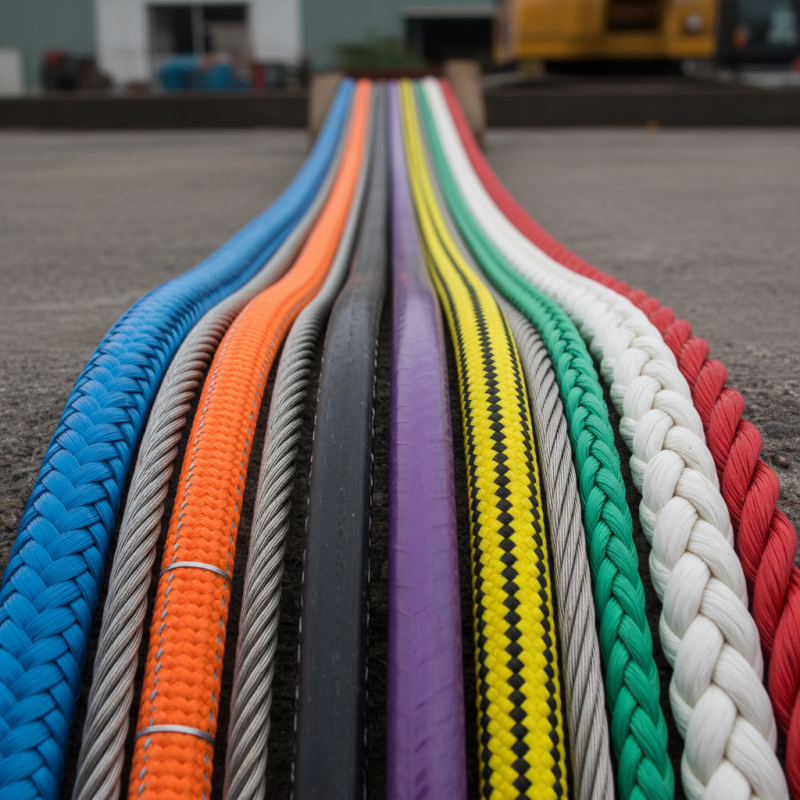
Top 10 High Tensile Crane Ropes You Should Consider Now?

Key Features of High Tensile Crane Ropes to Look For

When selecting high tensile crane ropes, certain key features are crucial for safety and efficiency. First, consider the tensile strength, which critically influences how much load the rope can handle. According to industry standards, ropes should have a minimum tensile strength of 1960 MPa for optimal performance. Choosing a rope with excessive tensile strength might seem attractive, but it could lead to increased costs without significant benefits.

Another essential feature is abrasion resistance. Crane operations often expose ropes to harsh environments, increasing wear and tear. Reports indicate that ropes with higher abrasion resistance can last up to 40% longer under similar conditions. However, while abrasion-resistant materials often perform better, they may not be required for every lifting application. An evaluation of the specific environment can guide better decision-making.

Knotability and flexibility also play vital roles in the performance of crane ropes. A rope that is too stiff may not tie securely, leading to dangerous situations. It is essential to find a balance. A flexible rope can make handling easier but might compromise some strength. Understanding the trade-offs is essential when selecting a high tensile crane rope. Making informed decisions can significantly impact the safety and efficiency of crane operations.

Top 10 High Tensile Crane Ropes You Should Consider Now

Rope Type Tensile Strength (kN) Diameter (mm) Weight (kg/100m) Environmental Resistance Safety Factor
Steel Wire Rope 200 16 90 High corrosion resistance 5:1
Synthetic Rope 150 12 75 UV resistant 6:1
Bonded Fiber Rope 180 14 85 Water resistant 5:1
High Modulus Polyethylene 220 10 65 Chemical resistance 7:1
Wire Rope with Coating 210 18 95 Corrosion and abrasion resistance 5:1
Rope with Multi-Strand Design 170 15 80 Flexibility and durability 6:1
Dyneema Rope 250 8 60 Lightweight and strong 7:1
Polyester Rope 190 13 70 Heat and UV resistant 5:1
Nylon Rope 160 11 68 Absorb moisture and flexible 6:1
Aluminum Alloy Rope 230 20 100 High strength-to-weight ratio 5:1

Top Brands Manufacturing High Tensile Crane Ropes

When considering high tensile crane ropes, the manufacturing brands play a crucial role. The quality of a crane rope directly affects its performance and safety. Data from the International Crane Association indicates that up to 30% of crane accidents are linked to rope failures. Choosing a reliable brand can help mitigate such risks.

Several top manufacturers have established a reputation for producing high-quality ropes. These brands invest heavily in research and development. They use advanced materials and manufacturing techniques, ensuring their ropes can withstand extreme conditions. An industry report from the Global Rope Market shows that high tensile ropes are experiencing a growth rate of about 5% annually. Clearly, the demand for durable, high-performance crane ropes is on the rise.

Many companies focus on innovative designs, enhancing strength while reducing weight. However, some brands may prioritize cost over safety. It is essential to evaluate each product carefully. Not every rope marketed as high tensile meets industry standards. An informed decision can lead to safer operation and reduced maintenance costs. Proper research and choice of brand is vital in this competitive market.

Applications of High Tensile Crane Ropes in Various Industries

High tensile crane ropes are essential in numerous industries, such as construction, shipping, and manufacturing. These ropes can handle massive loads, making them crucial for lifting and towing applications. According to a report by the International Association of Crane and Transport, properly selected crane ropes can improve operational efficiency by up to 30%.

In construction, high tensile ropes support heavy materials, enabling safer and more effective project execution. They reduce the risk of accidents and equipment failure, which can have costly repercussions. Industries like shipping also rely on durable crane ropes for docking and loading operations. A robust rope enhances safety and prevents cargo losses, which can be substantial.

Tips: Always assess the weight requirements before selecting a crane rope. Using ropes that are too light can lead to dangerous situations. Regularly inspect and replace ropes showing signs of wear. This proactive approach can save time and ensure safety. Remember, proper training for personnel handling these ropes is just as vital. The human factor often plays a critical role in safety and efficiency.

Maintenance Tips for Extending the Lifespan of Crane Ropes

Maintaining crane ropes is crucial for safety and efficiency. Regular inspection can prevent accidents. A study by the Crane Safety Institute indicates that improper maintenance leads to 30% of crane-related incidents. It is vital to check for fraying, corrosion, and any signs of wear. A small issue can escalate quickly if ignored.

Cleaning crane ropes is essential. Dust and debris can create wear points. Use a soft brush or cloth to remove particles. The American Society of Mechanical Engineers (ASME) suggests cleaning regularly, especially in harsh environments. Water exposure can weaken the ropes, leading to significant failures.

Lubrication also plays a key role. A well-lubricated rope can resist corrosion and fatigue. However, over-lubrication can attract dirt, worsening wear. Regularly assess the lubrication method. 50% of maintenance failures are linked to neglect. So, it’s essential to strike the right balance for optimal performance.

Top 10 High Tensile Crane Ropes You Should Consider Now

This bar chart displays the tensile strength (in kN) and weight (in kg) of the top 10 high tensile crane ropes available on the market. It highlights the balance between strength and weight, which are crucial factors when selecting crane ropes for various applications.

Safety Standards and Regulations for Using Crane Ropes

When it comes to crane ropes, safety standards are paramount. Using high tensile crane ropes requires adherence to strict regulations. These standards ensure that workers are protected from potential hazards. Rope deterioration can happen due to wear and environmental factors. Regular inspection is needed to maintain safety.

Training is another critical factor. Workers must understand how to use and inspect crane ropes properly. Misuse can lead to accidents. It's essential to promote a culture of safety on construction sites. Frequent safety drills help reinforce the importance of proper crane operation. Awareness of load limits is vital.

Equipment should always be chosen according to the job. Each task has specific requirements for load-bearing capacity. Operators must be familiar with these specs. Not all ropes will perform the same under stress. This knowledge creates a reliable work environment. Safety should never be compromised, even in tight timelines. Reflection on past incidents can guide improvements. A proactive approach leads to better outcomes in crane operation.

FAQS

: What is the impact of crane rope quality on safety and performance?

: The quality directly affects both. Poor ropes can lead to accidents, as up to 30% of failures are linked to them.

How can maintenance prevent crane rope failures?

Regular inspections can catch fraying and corrosion. Ignoring small issues can escalate quickly and cause serious accidents.

What cleaning method is recommended for crane ropes?

Use a soft brush or cloth to remove dust and debris. Regular cleaning is essential, especially in harsh environments.

Why is lubrication important for crane ropes?

It helps resist corrosion and fatigue. However, be cautious; over-lubrication can attract dirt and worsen wear.

How do safety standards affect crane rope use?

They ensure worker protection and require regular inspections to maintain safety. Deterioration can occur without proper checks.

What role does training play in crane operations?

Workers need to understand proper use and inspection of ropes. Misuse can lead to accidents; training reinforces safe practices.

Why should operators know load limits?

Awareness of these limits is vital for safety. Not all ropes perform the same under stress; knowledge prevents failures.

How can brands ensure they meet industry standards?

They should invest in research and development, but not all marketed products are compliant. Careful evaluation is essential.

What common mistakes are made regarding crane rope maintenance?

Neglect is a major cause of failures. Regular assessment and attention to detail are needed to avoid issues.

How can a proactive approach improve crane operations?

Reflecting on past incidents guides better practices. Prioritizing safety leads to improved outcomes on the job.

Conclusion

High tensile crane ropes are essential components in various lifting applications, providing the necessary strength and durability for heavy loads. When selecting a high tensile crane rope, it is crucial to consider several key features, such as tensile strength, resistance to wear and corrosion, and flexibility. The right rope can significantly enhance operational efficiency in industries ranging from construction to shipping.

In addition to understanding the applications of high tensile crane ropes, proper maintenance is vital for extending their lifespan. Regular inspections and adherence to safety standards and regulations are necessary to ensure safe usage and to prevent accidents. By focusing on these aspects, users can make informed decisions when choosing the best high tensile crane ropes for their specific needs.


Charlotte

Charlotte

Charlotte is a seasoned marketing professional with a deep understanding of the company's portfolio and a passion for elevating its presence in the market. With a keen eye for detail and a commitment to excellence, she ensures that our professional blog is regularly updated with insightful articles......