Ultimate Tips for Choosing Overhead Crane Wire Rope?

Time:2026-05-25 Author:Sienna
0%

Choosing the right Overhead Crane Wire Rope is crucial for safety and efficiency in industrial settings. According to the Industrial Crane Association, improper wire rope selection contributes to nearly 20% of overhead crane-related accidents. The stakes are high. An optimal wire rope enhances lifting capacity and reduces maintenance costs.

One important factor is the rope’s construction type. It affects durability and load handling. For instance, steel wire ropes with multi-strand constructions are often preferred. They provide flexibility and a longer lifespan, which can influence operational efficiency. Reports indicate that well-chosen wire ropes can increase operational time by up to 30%.

It's essential to understand your specific lifting needs. An ideal wire rope balances strength with flexibility. However, the market is filled with options, and many companies overlook critical specifications. This could lead to unforeseen failures or accidents. Stakeholders must question their choices and learn from industry data. A thought-out selection can have lasting effects on safety records and operational success.
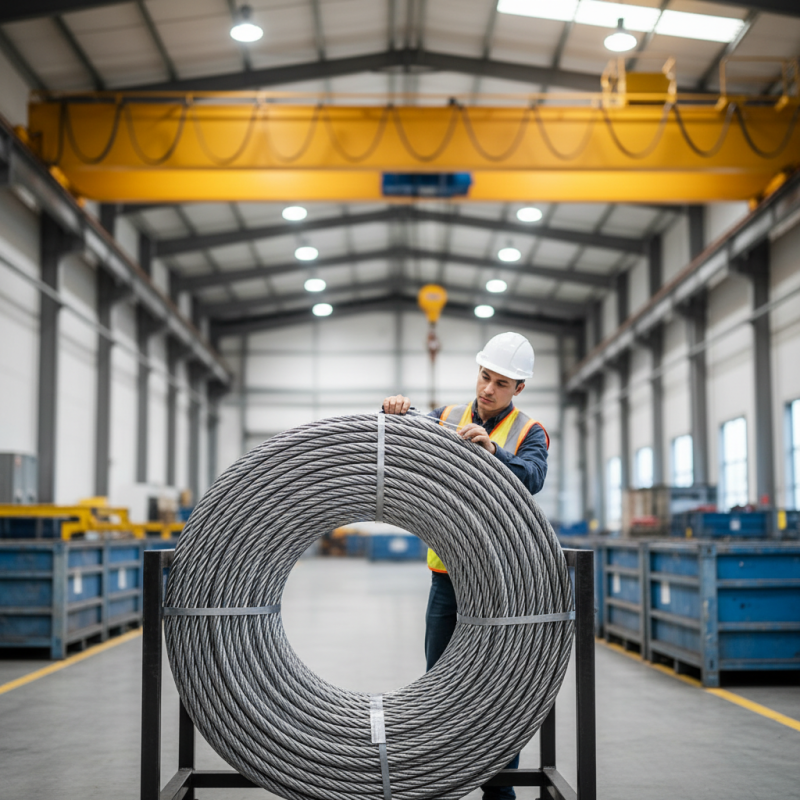
Ultimate Tips for Choosing Overhead Crane Wire Rope?

Understanding the Types of Wire Ropes for Overhead Cranes

When it comes to selecting wire ropes for overhead cranes, understanding their types is crucial. Wire ropes come in various constructions. Each type has its own strengths and weaknesses. For instance, a 6x19 construction offers flexibility and excellent abrasion resistance. However, it might not withstand heavy loads as well as other types.

Another common option is the 6x37 construction. This rope type is designed for lifting heavy loads and provides high strength. Yet, its increased thickness can reduce its flexibility. Users need to consider their specific lifting applications before making a selection. It's also vital to evaluate the working environment. Corrosive exposures can lead to quicker wear, necessitating more frequent replacements.

Safety cannot be overlooked. Regular inspections are essential to identify wear and tear. Ignoring these checks could lead to accidents. Always consult with experts when in doubt about which wire rope suits your crane's needs. Missteps in this area could have dire consequences. Choosing the right wire rope involves balancing flexibility, strength, and safety.

Key Factors to Consider When Selecting Wire Rope for Cranes

When selecting wire rope for overhead cranes, certain key factors demand careful consideration. Load capacity is critical; it affects safety and performance. The wire rope must withstand the maximum load, including any potential shocks. Choosing a rope rated for at least 10% more than your equipment's typical capacity is wise.

Another important factor is the environment where the crane operates. If exposed to moisture or corrosive substances, a wire rope with protective coatings is necessary. For outdoor locations, consider options that resist UV rays and weathering. Also, the diameter of the wire rope influences strength and handling. Thicker cables can bear heavier loads but can be more cumbersome to manage.

Regular inspections and maintenance routines matter too. Visual inspections can reveal signs of wear, such as fraying or corrosion. Ignoring these red flags can lead to severe accidents. Knowing when to replace a wire rope is crucial for safety. Lastly, consider how the wire rope's construction affects flexibility and lifting capabilities. Reflecting on these factors ensures the selection of a suitable wire rope for your overhead crane needs.

Assessing the Load Capacity and Safety Factors of Wire Rope

Choosing the right wire rope for an overhead crane is crucial. One key factor is assessing load capacity. Industry standards suggest that wire rope should have a minimum safety factor of 5 for lifting applications. This means the rope's maximum load should be at least five times the weight of the load being lifted. However, many professionals overlook environmental factors that can affect this safety margin.

Tips: Regular inspections of wire ropes help identify wear and tear. A damaged rope can pose serious safety risks. Check for corrosion, broken wires, or excessive fraying. Replace the rope if any of these issues are present.

Another critical aspect is understanding the specific characteristics of wire rope. Depending on the material and design, different ropes can handle various loads. Most wire ropes also need to accommodate dynamic loads better than static loads. For example, ropes designed for lifting should be able to absorb shock loads, often observed in heavy machinery operations.

Tips: Always consult technical specifications and operational guidelines. This knowledge is necessary to ensure you choose the right wire rope for your crane. Keep in mind that the wrong selection can lead to costly downtime and safety hazards.

Maintenance Tips for Prolonging the Life of Your Crane Wire Rope

Maintaining overhead crane wire rope is crucial for safety and longevity. Regular inspections help identify wear, corrosion, or damage. The U.S. Occupational Safety and Health Administration (OSHA) recommends inspecting wire ropes every month for operational safety. This proactive approach can prevent costly downtime and accidents.

Use a moisture meter to check for corrosion. Even a small amount of rust can weaken the rope. Keep the area around the crane clean and free from debris. This not only ensures smooth operation but also minimizes wear and tear.

Tips:

  • Lubricate the wire rope regularly to prevent rust.
  • Use the right lubricant as specified by industry guidelines.
  • Replace any rope showing signs of significant wear.
Remember, safety depends on your vigilance.

Professional reports indicate that improperly maintained wire ropes can reduce crane performance by as much as 30%. A dedicated maintenance schedule can help in spotting problems before they escalate. Adjusting the crane's operation based on current rope conditions enhances safety and efficiency.

Common Mistakes to Avoid When Choosing Wire Rope for Cranes

Choosing the right wire rope for overhead cranes is crucial. Many professionals overlook the importance of specifications. Selecting a wire rope without understanding its load limits can lead to severe accidents. Always consider the working environment. Factors like temperature, humidity, and exposure to corrosive substances can greatly affect the rope's longevity.

One common mistake is ignoring cable compatibility. Wire ropes come in different constructions and materials. Using an incompatible rope can cause wear and tear, leading to unexpected failures. Safety should always be a priority. Regular inspections and maintenance play a vital role in ensuring the wire rope's performance.

Pay attention to the wire rope’s diameter and strength. A thicker rope might seem better, but it could be overkill for lighter loads. Choose a rope that suits your specific application. Rely on expert advice if unsure. Making informed decisions is essential in this industry.

FAQS

: How often should wire ropes be inspected?

: Inspect wire ropes at least once a month. Regular inspections reveal wear, corrosion, or other issues.

What is the importance of load capacity?

Load capacity is critical for safety. The wire rope must handle maximum loads, including potential shocks.

How do environmental factors affect wire rope selection?

If operating in moisture or corrosive areas, choose ropes with protective coatings. UV resistance is essential for outdoor use.

Why is rope diameter significant?

Diameter influences strength and handling. Thicker cables can support heavier loads but may be harder to manage.

What should I do if I see signs of wear?

Replace any rope showing significant wear. Ignoring these signs can lead to severe accidents and jeopardize safety.

How can lubrication help wire ropes?

Lubricating wire ropes prevents rust. Use the correct lubricant per industry guidelines to ensure longevity.

What is a common effect of poor wire rope maintenance?

Improper maintenance can reduce crane performance by up to 30%. Regular checks are essential for optimal operation.

How does debris impact crane operation?

Keeping the area clear of debris ensures smooth operation and reduces wear. A clean workspace promotes safety.

What materials can weaken wire ropes?

Even small rust spots can weaken the rope's integrity. Use a moisture meter to check for corrosion.

How should I monitor rope conditions?

Adjust the crane's operation based on current rope conditions. A dedicated maintenance schedule helps spot problems early.

Conclusion

When selecting Overhead Crane Wire Rope, it is essential to understand the various types available and how they align with your specific operational needs. Key factors to consider include the rope's construction, material, and compatibility with the crane's mechanism. Assessing the load capacity and ensuring adequate safety factors are crucial in preventing failures and enhancing performance.

Additionally, proper maintenance extends the life of your crane wire rope and ensures operational reliability. Regular inspections and addressing signs of wear or damage can prevent costly downtime. Finally, be aware of common mistakes, such as overlooking the environmental conditions the wire rope will be exposed to, which can significantly impact its longevity and effectiveness.


Sienna

Sienna

Sienna is a skilled marketing professional with a deep expertise in our company’s core products and services. With a passion for innovation and detail, she plays a pivotal role in crafting insightful blog posts that not only highlight the unique features of our offerings but also provide valuable......