Selecting the right ropes for tower cranes is crucial for ensuring safety and efficiency in construction projects. The ropes for tower cranes must support heavy loads and withstand challenging conditions. Understanding the various factors that influence rope selection is essential for crane operators and project managers alike.
When choosing ropes for tower cranes, consider material durability and tensile strength. You need reliable materials that can endure wear and tear. Moreover, the length and diameter of the ropes are vital. If they are not suitable, the safety of operations could be compromised.
It's easy to overlook the importance of regular inspections and maintenance. Ropes can degrade over time, risking their effectiveness. Ignoring these aspects can lead to serious accidents. By focusing on quality and performance, you can make informed decisions that enhance operational safety and efficiency.
Understanding the Types of Ropes Used in Tower Cranes
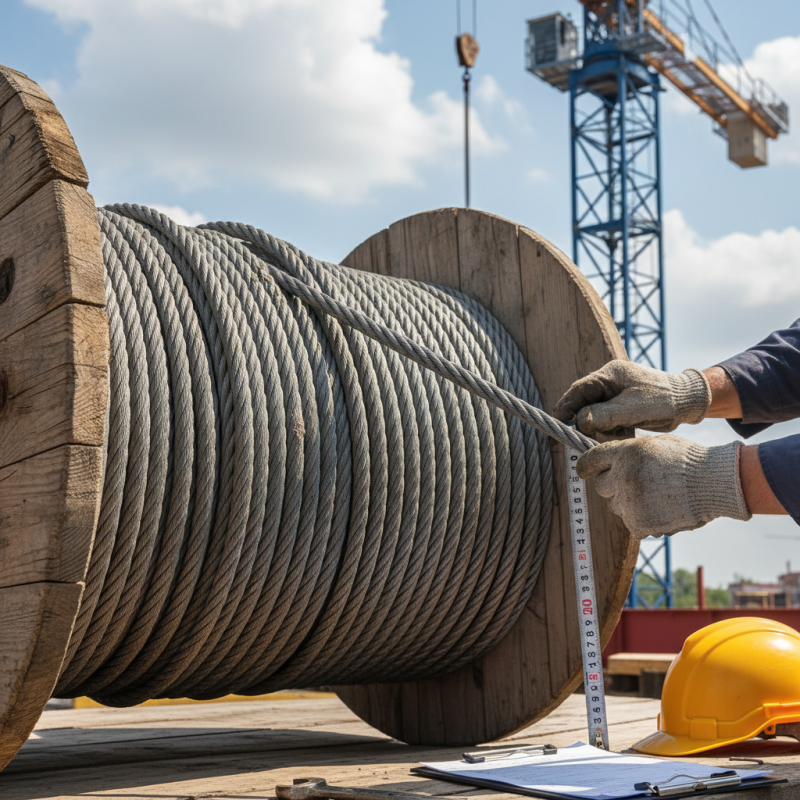
When selecting ropes for tower cranes, it’s vital to understand the types available. Generally, three main rope types are used: wire ropes, synthetic ropes, and specialty ropes. Wire ropes are the most common choice due to their high tensile strength and durability. According to a 2022 industry report, wire ropes can withstand loads up to 20 tons depending on their diameter and construction.
Synthetic ropes, made from materials like nylon or polyester, offer lightweight and flexible options. They resist corrosion, which is essential in harsh environments. However, they may not provide the same load-bearing capacity as wire ropes. Some studies indicate that synthetic ropes can lose around 10% of their strength when wet, making their performance variable.
Specialty ropes, such as those with coatings for extra protection, serve niche applications. Yet, detailed research on their long-term reliability is still limited. It’s crucial to assess the specific project needs and environmental conditions to choose effectively. Relying solely on manufacturer data might not always reflect real-world performance. This emphasizes the importance of hands-on testing and consultation with industry professionals for optimal safety and efficiency in crane operations.
Key Material Properties of Ropes for Optimal Performance
Choosing the right ropes for tower cranes is crucial. The material properties of these ropes significantly impact their performance. Steel wire ropes, for instance, are popular due to their high tensile strength and durability. According to industry reports, steel wire ropes boast a tensile strength of up to 2000 MPa. This strength is essential for lifting heavy loads safely.
Another key aspect is flexibility. Ropes must adapt to various lifting angles. This flexibility can prevent premature wear and damage. Nylon ropes offer excellent flexibility but may not withstand high temperatures. A report from a crane safety organization indicates that rope failure can lead to serious accidents. Thus, ensuring the right material selection is vital.
Tip: Inspect ropes regularly for wear and tear. Look for fraying or kinks that can affect performance.
In addition, consider environmental factors. Ropes exposed to harsh conditions may degrade faster. For example, UV exposure can weaken some synthetic materials. A relevant study noted that synthetic ropes can lose up to 30% of their strength when subjected to UV light over time.
Tip: Protect ropes from direct sunlight and harsh weather whenever possible.
Selecting the best ropes demands careful consideration. Understanding the characteristics of different materials is the first step to ensuring safety and efficiency in tower crane operations.
Evaluating Load Capacity and Safety Factors in Rope Selection
When selecting ropes for tower cranes, evaluating load capacity is crucial. Each rope needs to withstand heavy lifting while ensuring safety for all involved. Incorrect choices can lead to dire consequences. Inspecting load ratings is a must. Ropes should exceed the maximum load by a significant margin to account for dynamic stresses.
Tips: Always check the manufacturer’s specifications. Look for weight limits and suggested applications. Regular visual inspections can help identify wear and tear over time.
Safety factors also come into play. It's essential to understand the environment where the crane operates. Corrosive elements, weather conditions, and temperature fluctuations can affect rope integrity. Consider these factors when determining suitable materials.
Tips: Opt for materials designed for the specific environment of your job site. Educate operators about proper handling techniques. Ropes should be stored correctly to maintain their strength and usability. Regular training on safety practices is non-negotiable.
Assessing Durability and Maintenance Needs of Crane Ropes
When selecting crane ropes, durability and maintenance are key considerations. Flexible, high-tensile steel ropes are often preferred due to their strength. According to the International Crane and Hoist Engineering Association, well-maintained ropes can last up to four times longer than poorly maintained ones. Regular inspections, ideally every six months, are recommended to ensure safety and reliability.
Maintenance requires attention to wear and tear. Daily checks should focus on fraying, kinking, and corrosion. These issues can lead to sudden failures. The Occupational Safety and Health Administration reports that more than 30% of crane incidents are linked to rope failures, highlighting the importance of vigilant care. Ropes exposed to harsh environments may require more frequent assessments.
Operators must also consider the lubricity of the ropes. Appropriate lubrication can drastically extend their lifespan. However, applying too much lubricant can attract dirt and further complicate maintenance. Balancing these factors is essential for both the performance and longevity of crane ropes. It’s a delicate process that requires ongoing training and adaptation.
Durability Assessment of Tower Crane Ropes
Industry Standards and Regulations for Tower Crane Rope Safety
Selecting the right ropes for tower cranes is critical for safety and efficiency. Industry standards and regulations ensure they meet safety requirements. Understanding these guidelines helps prevent accidents and equipment failures.
Ropes must withstand heavy loads and harsh conditions. Check the rope specifications against industry regulations. Be aware of wear and tear. Regular inspections are essential. Many operators overlook this aspect, leading to unsafe situations.
Tips: Always document maintenance checks. Track every inspection and repair. Choose ropes made from high-quality materials. Synthetic options often provide greater durability and resistance. Never use ropes that show signs of fraying or damage. Remember, safety should always come first in crane operations.
FAQS
: There are three main types: wire ropes, synthetic ropes, and specialty ropes. Each serves specific needs.
Wire ropes have high tensile strength and durability. They can handle loads up to 20 tons.
Synthetic ropes are lightweight and flexible. They resist corrosion, making them suitable for harsh environments.
Yes, they may lose around 10% strength when wet. Their load-bearing capacity is lower than wire ropes.
Specialty ropes are designed for niche applications. Their long-term reliability needs more research.
Industry standards ensure safety and efficiency. They help prevent accidents and equipment failures during operations.
Operators must inspect for wear and tear. Ignoring this can lead to unsafe situations.
Operators should document all maintenance checks. Tracking inspections and repairs is crucial for safety.
High-quality materials improve durability and resistance. Avoid using ropes showing signs of fraying or damage.
Safety is paramount. Always evaluate ropes against project needs and environmental conditions.
Conclusion
When selecting the best ropes for tower cranes, it is crucial to understand the various types of ropes available and their specific applications in crane operations. The material properties of the ropes play a significant role in ensuring optimal performance, emphasizing factors like tensile strength, flexibility, and resistance to environmental elements. Evaluating the load capacity and safety factors is essential to ensure that the ropes can handle the intended loads without compromising safety.
Durability and maintenance requirements are also key considerations in the selection process, as they affect the lifespan and operational efficiency of ropes for tower cranes. Adherence to industry standards and regulations is vital for safety assurance and compliance, ensuring that the ropes meet the necessary safety criteria for crane operations. By carefully assessing these factors, operators can make informed decisions to enhance performance and safety in their tower crane applications.

 Mei Shen STEEL