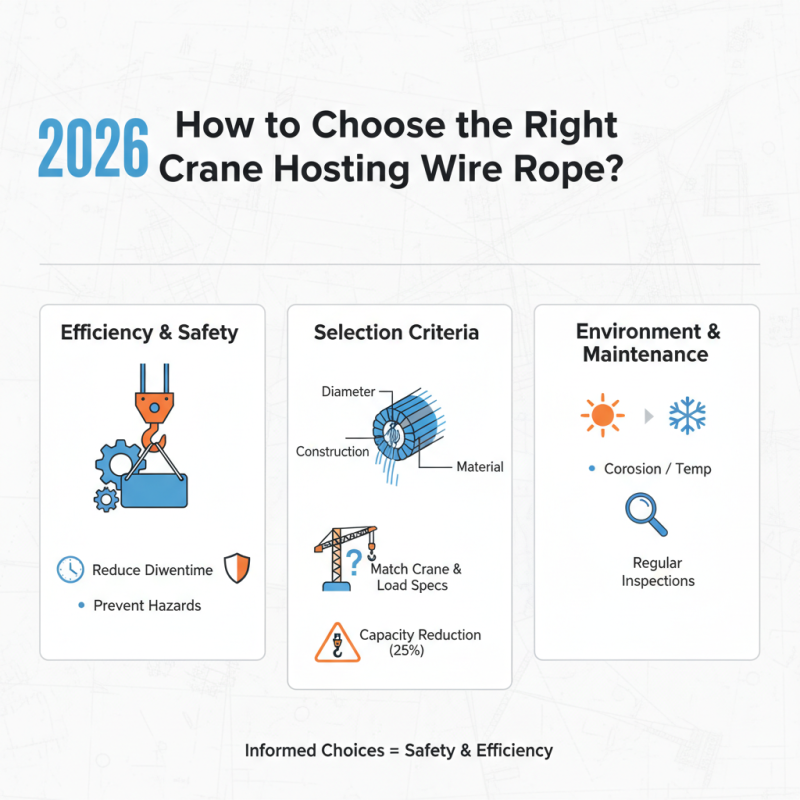
Choosing the right Crane Hoisting Wire Rope is crucial for efficiency and safety. According to a recent industry report by the International Association of Crane and Rigging Professionals, improper rope selection can lead to significant operational hazards, resulting in costly downtime. It's reported that around 30% of crane incidents stem from inadequate equipment, emphasizing the need for informed choices.
Wire ropes must match the specific requirements of your crane and the load being lifted. The wire's diameter, construction, and material impact its strength and flexibility. A study by the Occupational Safety and Health Administration highlights that using the wrong type of wire can reduce the overall lifting capacity by almost 25%. This is a critical consideration that often goes overlooked.
Additionally, understanding the environment in which the crane operates is vital. Factors such as exposure to corrosion or extreme temperatures can diminish wire rope performance over time. Regular inspections and maintenance are essential, yet many companies fail to address this aspect adequately, leading to unforeseen issues. By paying close attention to these details, selecting the right Crane Hoisting Wire Rope becomes not just a choice, but a commitment to safety and efficiency.
When selecting a crane hoisting wire rope, understanding the characteristics is essential. Wire ropes come in different constructions, which determine their strength and flexibility. A common type is the 6x19 construction, known for its balance of strength and resistance to wear. In contrast, the 6x37 construction offers greater flexibility. According to industry reports, the choice between these two can affect operational efficiency by up to 30%.
The wire rope's material also plays a significant role. Many ropes are made from high-carbon steel for increased tensile strength. However, this can lead to brittleness under extreme conditions. The wire diameter affects load capacity. A thicker rope can handle heavier loads, but may be bulkier and harder to maneuver. It's crucial to assess load requirements realistically.
Corrosion resistance is another important factor. Some wire ropes come with coatings that enhance durability. This can be vital for outdoor or harsh environments. Neglecting to consider environmental factors can result in premature wear. A report from the International Crane Association highlights that improper wire rope selection leads to over 20% of maintenance issues. This underlines the importance of choosing wisely.
Choosing the right wire rope for crane hoisting is crucial for safety and efficiency. Multiple factors influence this decision. First, consider the load capacity the wire rope must handle. This involves understanding the maximum weight your crane will lift. Specifications for breaking strength and safety ratings should be reviewed carefully.
Next, look at the environment where the crane and wire rope will be operating. Outdoor settings can affect the durability of the wire rope due to exposure to elements. Corrosion-resistant materials may be necessary for prolonged use. Pay attention to the frequency of use. Frequent lifting may require a different wire rope than occasional tasks, impacting your choice.
Lastly, consider maintenance needs. Wire ropes require regular inspection for wear and tear. Some ropes may need frequent replacements. Reflect on how this impacts your operational costs. Finding the right balance between durability and cost is essential. Making the wrong choice might lead to unexpected failures. It’s important to weigh all these factors carefully before making a selection.
When selecting the right crane hoisting wire rope, understanding wire rope materials is crucial. Steel wire ropes are the most common choice. They offer high tensile strength and durability. Various grades exist, each suited for specific applications. For heavy loads and industrial environments, these ropes excel. Their resilience to abrasion and fatigue makes them ideal for cranes.
Another option is synthetic wire ropes. Made from materials like polyester and nylon, they are lighter than steel. This can reduce the overall load on the crane. However, they may not handle heavyweights well under certain conditions. They are resistant to corrosion, making them suitable for marine environments. Users must be mindful that synthetic ropes require regular inspection.
Choosing the right material involves weighing trade-offs. Steel ropes are robust but heavier. Synthetic options are lightweight but may lack strength. Potential failures can occur if the wrong type is selected. Regular maintenance and inspection are vital. Understanding the specific needs of the task at hand is essential for making an informed choice.
When selecting the right crane hoisting wire rope, understanding diameter and strength is crucial. The diameter affects the rope's load capacity and flexibility. A larger diameter generally offers better strength but can be less flexible. Conversely, a smaller diameter allows for easier maneuverability but might compromise load-bearing capacity. Matching the diameter to your specific tasks enhances safety and efficiency.
Strength plays a significant role as well. It is vital to choose a wire rope that can handle the maximum load expected during operations. Consider not just the load weight but also dynamic loads caused by movement. This ensures the wire rope remains reliable over time.
Tips: Always check the manufacturer's specifications for load ratings. Perform regular inspections to identify any signs of wear or damage. It's essential to assess whether your current rope meets safety standards. Over time, you may find that factors such as environmental conditions have affected performance. Therefore, regular evaluations will help ensure you maintain optimum safety and effectiveness in your operations.
Maintaining crane hoisting wire ropes is crucial for safety and performance. Regular inspection can reveal wear, corrosion, and damage. Look for frayed strands, kinks, or broken wires. Examine the ends of the rope, where damage often occurs due to improper use. A worn rope can lead to equipment failure, posing risks to workers and the load.
Lubrication plays a key role in extending the lifespan of wire ropes. Using the right lubricant can reduce friction and prevent rust. Be sure to apply it evenly across the rope. This prevents buildup in certain areas and allows for smoother operation. Remember, over-lubrication can attract dirt, which could wear the wire faster.
Proper storage is equally important. Keep the wire rope in a cool, dry place. Avoid exposure to harsh weather conditions when not in use. Ropes should be stored on a cylindrical reel. This prevents kinking, which can cause weak points. Regularly review your maintenance practices. This reflection can lead to improvements in safety and efficiency.
| Dimension | Specification | Material | Load Capacity (tons) | Lifespan (years) | Maintenance Frequency (months) |
|---|---|---|---|---|---|
| 10 mm | 6x19 | Steel | 1.5 | 5 | 6 |
| 12 mm | 6x25 | Stainless Steel | 2.5 | 7 | 6 |
| 16 mm | 6x36 | Galvanized Steel | 5.0 | 10 | 12 |
| 20 mm | 7x19 | Carbon Steel | 7.5 | 8 | 12 |
| 22 mm | 8x19 | High-Strength Steel | 9.0 | 9 | 10 |
: It ensures safety and efficiency in crane operations.
Understand the maximum weight your crane will lift. Check breaking strength and safety ratings.
Outdoor settings may cause wear due to exposure. Corrosion-resistant materials might be necessary.
Frequent lifting may need stronger ropes than occasional tasks. This is crucial for safety.
Regular inspections for wear and tear are important. Some ropes may need frequent replacements.
A larger diameter offers strength but less flexibility, while a smaller one is more maneuverable.
It must handle maximum and dynamic loads during operations, ensuring reliability over time.
Conditions can affect performance over time. Regular evaluations are necessary to maintain safety.
It may lead to unexpected failures, affecting both safety and operational costs.
They provide load ratings and safety standards essential for your tasks.
Selecting the right Crane Hoisting Wire Rope is crucial for ensuring efficient and safe lifting operations. Understanding the characteristics of wire ropes is fundamental, including their tensile strength, flexibility, and resistance to wear and fatigue. Key factors to consider when choosing wire rope for cranes include load capacity, working conditions, and environmental factors. Various materials, such as steel and synthetic options, offer specific benefits and applications suited for different lifting tasks.
Determining the appropriate diameter and strength of the wire rope is essential to meet the operational requirements and safety standards of your crane system. Additionally, implementing regular maintenance practices can significantly extend the lifespan of Crane Hoisting Wire Rope, ensuring reliable performance over time. By paying close attention to these aspects, operators can enhance safety and efficiency in their lifting operations.

Mei Shen STEEL