In the world of construction and heavy lifting, choosing the right equipment is vital. When it comes to cranes, "Lifting Rope For Cranes" plays a crucial role. Expert Mark Thompson, a senior engineer with over 15 years in the field, states, "The right lifting rope can make or break a project." His insight emphasizes the importance of selecting quality materials.
Lifting ropes must meet specific standards to ensure safety and efficiency. Quality ropes withstand the significant stress of lifting heavy loads. Buyers should understand the different materials and their applications. Various factors, like weight capacity and environmental conditions, impact this choice.
Yet, even with advanced options, mistakes can happen. Some may choose ropes based solely on price, which can lead to failures. It's important to balance cost with quality. Reflecting on these insights can lead to better decision-making. Ultimately, understanding "Lifting Rope For Cranes" is essential for successful crane operations.
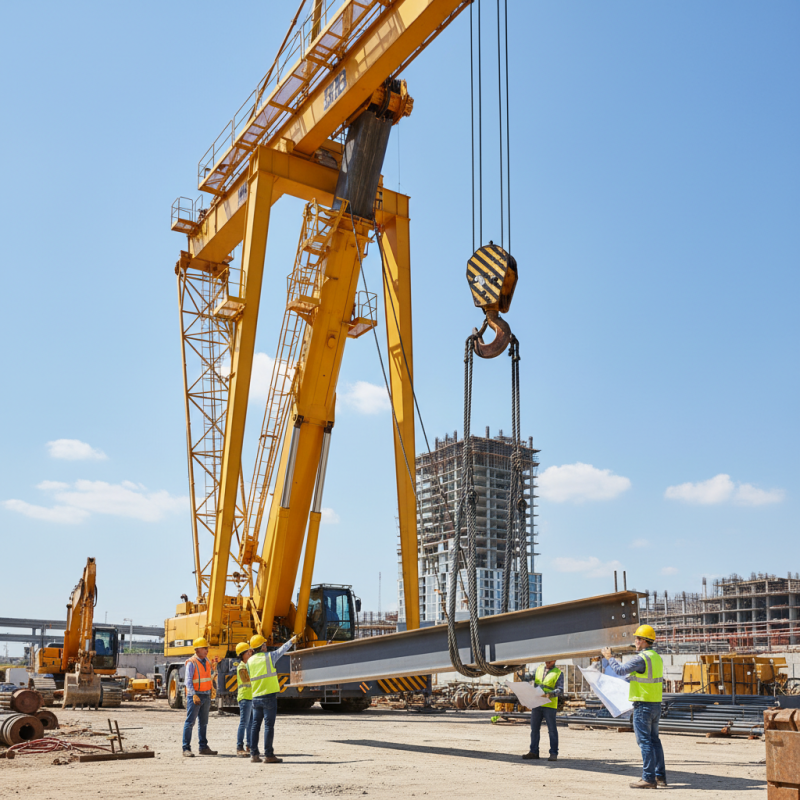
Essential Features of Lifting Ropes for Crane Applications
When selecting a lifting rope for cranes, several essential features should be considered. The material of the rope plays a crucial role in its strength and durability. Common options include synthetic fibers and steel. Synthetic ropes are lighter and resistant to abrasions, while steel ropes offer high tensile strength. Each material has its advantages and drawbacks. It’s essential to assess the specific needs of your crane application before making a choice.
The diameter of the lifting rope is another important factor. A thicker rope generally has a higher load capacity. However, it may also be heavier and harder to manage. Users often overlook this element, which can lead to operational challenges. Inspecting the rope regularly for wear and tear is vital. This practice enhances safety and ensures reliable performance during operations. Understanding the weight limits and potential fraying can prevent accidents.
Lastly, consider the rope's flexibility and handling characteristics. A flexible rope makes it easier to work with in tight spaces. If a rope is too stiff, it can complicate the lifting process. Crane operators must reflect on their daily tasks to choose the right rope that fits their routine. Proper training and familiarity with these features can significantly improve crane operations.
Types of Lifting Ropes Used in Cranes and Their Advantages
When it comes to cranes, choosing the right lifting rope is crucial. Several types of ropes are commonly used, each with unique advantages. Steel cables are known for their durability and strength. They handle heavy loads well. However, they are not as flexible as other types. Their weight can also be a drawback in some situations.
Synthetic ropes, on the other hand, are lighter and more flexible. They are made from materials like nylon or polyester. This makes them easier to handle and less likely to damage loads. Synthetic ropes often have high strength-to-weight ratios. However, they may not perform well in extreme temperatures or exposure to chemicals. It's essential to evaluate the environment where the crane operates.
Another option is wire rope. It is versatile and widely used across various applications. Wire ropes are resistant to abrasion and can withstand harsh conditions. However, their maintenance can be demanding. Regular checks for frays or kinks are necessary to ensure safety and reliability. Users must weigh the pros and cons carefully to select the best option for their needs.
Safety Considerations When Selecting Lifting Ropes for Cranes
When selecting lifting ropes for cranes, safety should be the top priority. According to the Occupational Safety and Health Administration (OSHA), improper selection of lifting equipment accounts for a significant percentage of crane-related accidents. The right rope must demonstrate high tensile strength and excellent abrasion resistance. Ropes made from synthetic materials often provide better safety margins because they can withstand varying weather conditions.
Regular inspections are crucial. In a study by the American Society of Mechanical Engineers, it was found that 40% of lifting equipment failures stem from lack of maintenance. Inspecting for frays, kinks, or other damage helps prevent catastrophic failures. Operators also need to be aware of the load limits. Many accidents occur when exceeding these limits, leading to serious injuries or fatalities.
Training for personnel is essential. A well-informed team can detect potential issues early. Organizations have reported that regular training can reduce incidents by up to 30%. Emphasizing a culture of safety in crane operations is vital for overall well-being. By understanding the importance of proper selection and regular maintenance, operators can significantly minimize risks associated with lifting ropes.
Best Lifting Rope for Cranes: Safety Considerations When Selecting Lifting Ropes
Maintenance Tips for Ensuring Longevity of Lifting Ropes
Maintaining lifting ropes is crucial for ensuring their longevity. Regular inspections are necessary to detect wear and tear. Check for fraying, cuts, or any signs of damage. These can affect the rope's strength. If you notice significant wear, it's time to replace the rope.
Proper storage can also extend the life of lifting ropes. Keep them in a dry and cool location. Avoid exposure to direct sunlight, which can deteriorate fibers over time. Additionally, coiling ropes neatly prevents kinks and tangles. Untangling can damage the rope, leading to weaknesses.
Usage practices play a vital role too. Avoid exceeding the rope's load capacity. This can cause undue stress and lead to premature failure. Using protective sleeves can help shield the rope from sharp edges during lifting. Consider these factors seriously. They determine how long your lifting rope will last.
Best Lifting Rope for Cranes - Maintenance Tips for Ensuring Longevity of Lifting Ropes
| Feature |
Description |
Maintenance Tips |
| Material |
Synthetic fibers like nylon or polyester offer high strength-to-weight ratio. |
Regularly inspect for fraying or wear, and replace if any damage is found. |
| Diameter |
Common diameters range from 10mm to 30mm depending on load requirements. |
Maintain proper tension and avoid excessive bending to preserve shape. |
| Load Capacity |
Should be rated according to strength tests specified by industry standards. |
Do not exceed the working load limit; always consult load charts. |
| Flexibility |
Good flexibility allows for easier handling and reduced wear on equipment. |
Store in a cool, dry place to avoid deterioration from environmental factors. |
| UV Resistance |
Ropes treated for UV protection last longer in outdoor applications. |
Limit exposure to direct sunlight whenever possible. |
Cost Factors and Budgeting for Crane Lifting Ropes
When considering the cost of crane lifting ropes, it's essential to evaluate various factors that affect pricing.
Material quality is a significant element. Heavy-duty synthetic fibers or steel cables typically cost more than standard options. Buyers should weigh durability against budget constraints. A cheaper rope may save money upfront but could lead to increased replacement costs down the line.
Another crucial factor is the rope's specifications. Different lifting capacities and lengths can significantly impact pricing. If a rope must lift heavy loads, higher specifications are required, thus raising costs. Mood swings can influence decision-making, leading to impulsive purchases. It's wise to consult with experts to avoid making uneducated decisions.
Labor costs for installation and maintenance should also be factored in. Some ropes may require specialized fittings or more complex installation. Understand that savings on the rope can turn into losses when installation is too costly. Conduct thorough research and consider all associated costs to find the right balance between quality and budget.
FAQS
: Common materials include synthetic fibers and steel. Synthetic ropes are lighter, while steel ropes offer high strength.
Thicker ropes usually have higher load capacities. However, they can be heavier and harder to manage.
Regularly inspecting ropes for wear helps prevent accidents. It ensures reliable performance during operations.
Operators must know the load limits to prevent serious accidents. Exceeding these limits can cause injuries or fatalities.
A flexible rope is easier to manage in tight spaces. Stiff ropes can complicate lifting tasks.
Regular training equips personnel to spot issues early. It can reduce incidents by up to 30%.
Lack of maintenance leads to rope failures. This can result in catastrophic incidents during operations.
Operators should consider their daily lifting routines. A suitable rope can fit operational needs and enhance efficiency.
Improper selection and lack of maintenance are significant factors. Many accidents could be prevented with better practices.
Synthetic ropes can better withstand varying weather conditions. They often provide a higher safety margin compared to steel ropes.
Conclusion
When selecting a lifting rope for cranes, it is crucial to understand the essential features that define their effectiveness in various applications. Key considerations include the types of materials used, their tensile strength, flexibility, and fatigue resistance. Different types of lifting ropes offer distinct advantages, such as wire rope's durability and synthetic ropes' lightweight characteristics, making them suitable for specific lifting tasks.
Safety is paramount in crane operations, and choosing the right lifting rope involves understanding the relevant safety standards and regular inspections. Additionally, proper maintenance is vital to ensure the longevity of lifting ropes, which includes regular cleaning, checking for wear and tear, and appropriate storage. Finally, cost factors play a significant role in budgeting for lifting ropes, as prices can vary based on material, size, and quality. Keeping these elements in mind will help buyers make informed decisions when choosing a lifting rope for cranes.

 Mei Shen STEEL