In the world of construction and heavy lifting, the quality of your equipment matters immensely. "Lifting Crane Rope" is a crucial component in ensuring safety and efficiency on job sites. According to industry expert Dr. Mark Thompson, “The right choice of lifting rope can significantly impact the performance of cranes.” His insight emphasizes the importance of selecting high-quality lifting ropes tailored to specific needs.
Choosing the best lifting crane rope requires knowledge and experience. There are various options available, including synthetic and wire ropes. Each has its advantages and drawbacks. For instance, while synthetic ropes are lightweight and resistant to abrasion, wire ropes offer excellent strength and durability. Understanding these materials can be overwhelming for many.
While experts provide valuable insights, it can be challenging to find the perfect rope for unique requirements. Mistakes often stem from inadequate research or reliance on outdated information. Lifting crane ropes must match the intended loads and working conditions precisely. Avoiding these pitfalls is essential for ensuring safety and enhancing efficiency at any job site.
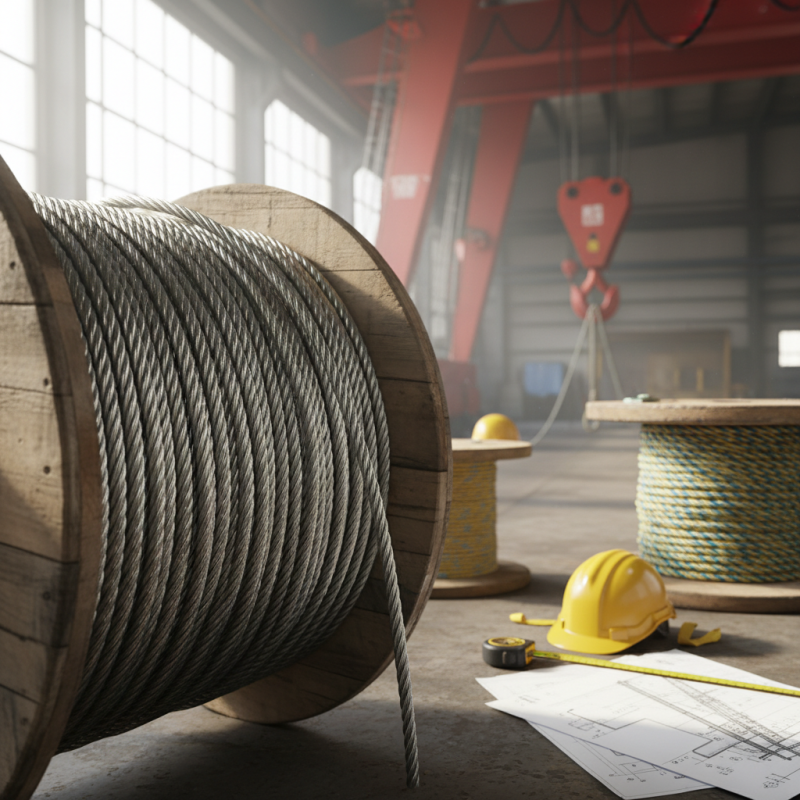
Understanding the Importance of Crane Ropes in Lifting Operations
Crane ropes play a crucial role in lifting operations, ensuring safety and efficiency. They are the backbone of any crane system, transferring loads safely and effectively. Choosing the right rope can impact performance significantly. Durability, strength, and flexibility are essential factors.
When selecting crane ropes, consider the type of material used. Steel ropes offer high tensile strength and resistance to wear. However, they may not be as flexible as synthetic ropes. Synthetic ropes, like those made from nylon or polyester, are lighter and easier to handle but may wear out faster. Understanding the operational environment can guide your choice.
Tip: Always inspect your crane ropes for signs of damage or wear. Regular maintenance can prevent accidents. If you notice fraying, it’s time to replace the rope. Remember, the cost of a new rope is negligible compared to the potential costs of an accident.
Think about load capacity. Not all ropes can handle the same weight.
Overloading a rope is a common mistake that can lead to failures. Ensure you know the specifications.
Tip: Keep a logbook for your crane ropes. Document usage, maintenance, and inspections. This not only helps in tracking wear but also ensures compliance with
safety regulations.
Key Specifications for Selecting the Best Lifting Crane Rope
When selecting the best lifting crane rope, key specifications are crucial for decision-making. Tensile strength is one of the most significant factors. According to industry standards, the minimum tensile strength for crane ropes typically ranges from 100 to 250 kN, depending on application requirements. Understanding this aspect helps ensure safety and efficiency during heavy lifts.
The material composition also plays a vital role. Steel ropes remain popular due to their high strength-to-weight ratio. However, synthetic options like polyester and nylon ropes are gaining traction. They are lighter and resistant to environmental wear. Reports indicate that synthetic ropes can endure harsh conditions without significant degradation over time. These ropes often weigh up to 80% less than steel versions.
Moreover, the diameter and length of the rope must be aligned with the application needs. A diameter of 10 mm to 20 mm is common for many lifting tasks. Still, smaller or larger variants might be necessary based on specific operational requirements. Many professionals overlook these details, which can lead to mishaps. It's essential to critically evaluate each specification to enhance safety and optimize performance.
Top Manufacturers of Lifting Crane Ropes in China
When it comes to lifting crane ropes, China is home to several leading manufacturers. These companies specialize in producing high-quality ropes made from durable materials. The focus is on safety and reliability, which are crucial for heavy lifting tasks. Many manufacturers offer a range of products to meet various industry needs.
Some manufacturers use advanced technology in their production processes. This ensures that the ropes can withstand extreme conditions, reducing the risk of accidents. However, there can be inconsistencies in quality among different brands. It's essential to research and choose a manufacturer known for its quality control measures. Potential buyers should consider the type of lifting and the environment in which the ropes will be used.
Working with top manufacturers can enhance operational efficiency. It's important to evaluate their certifications and industry experience. Many manufacturers can share performance data from their products, helping clients make informed decisions. However, not all companies provide the same level of transparency. It’s essential to ask questions and seek multiple quotes to ensure reliability.
China's Lifting Crane Rope Supply: A Comparative Analysis
This chart illustrates the annual supply of various types of lifting crane ropes in China. The data represents the tons supplied for each category, highlighting the demand variance among different materials used in lifting operations.
Comparative Analysis of Different Rope Materials Used in Cranes
When it comes to lifting cranes, the choice of rope material is crucial. Different materials offer unique benefits and drawbacks.
Steel wire ropes are popular for their strength and durability. They resist abrasion and have a high tensile strength.
However, they can be heavy and prone to corrosion if not maintained properly. This makes them less ideal for all environments.
Synthetic ropes, such as those made from nylon or polyester, are lighter and often easier to handle.
They provide high flexibility and have shock-absorbing qualities. Yet, they may lack the same level of strength as steel ropes.
Synthetic materials can also degrade under UV exposure. This raises concerns about long-term reliability in outdoor settings.
Each material serves particular needs in crane operations. A careful evaluation is essential.
Factors such as load capacity, environmental conditions, and handling convenience must be considered.
Making the right choice can significantly impact safety and performance.
This requires expertise and a clear understanding of the specific applications involved.
Maintenance Tips to Extend the Lifespan of Crane Ropes
When it comes to crane ropes, maintenance is key to longevity. Regular inspections can prevent unexpected failures. Checking for wear and tear, such as fraying or cuts, is essential. Look for signs of corrosion and unraveling, which can compromise strength. Harsh environments may increase deterioration.
Proper storage is also crucial. Keep ropes dry and away from direct sunlight. UV rays can weaken fibers over time. Additionally, avoid bending or twisting the rope excessively. This stress can lead to weak points. If a rope gets wet, allow it to dry completely before use.
Training operators is vital. Proper usage techniques minimize damage. Educating them on lifting limits and maneuvering reduces strain on the rope. Remember, even the best ropes won’t last if misused. Regularly review maintenance schedules and update them as necessary. Life expectancy increases with proactive care.
Conclusion
The article "China Best Lifting Crane Rope for Your Supply Needs?" delves into the critical role of lifting crane ropes in efficient lifting operations. It highlights the importance of selecting the right rope by providing key specifications, such as tensile strength, diameter, and compatibility with various crane types. Additionally, the article compares different materials used in lifting crane ropes, discussing their respective advantages and suitability for specific applications.
Moreover, it outlines essential maintenance tips to extend the lifespan of lifting crane ropes, ensuring safety and reliability in operations. By understanding these factors, operators can make informed choices that enhance performance and efficiency in lifting tasks. This comprehensive guide serves as a valuable resource for anyone involved in selecting and maintaining lifting crane ropes for their supply needs.

 Mei Shen STEEL