Best Heavy Duty Crane Rope Options for Global Buyers?

Time:2026-05-09 Author:Aria
0%

The demand for Heavy Duty Crane Rope is rising globally, reflecting the growth in construction and logistics industries. According to a recent industry report, the crane rope market is expected to grow by 6% annually through 2025. This growth underscores the importance of selecting the right heavy-duty options for efficiency and safety.

Heavy Duty Crane Ropes play a pivotal role in ensuring safe lifting operations. These ropes must withstand significant loads and harsh conditions. However, not all options are created equal. Buyers often face challenges in choosing the best products that meet industry standards. The correct material and construction can greatly influence rope performance and longevity.

While many suppliers claim to offer high-quality Heavy Duty Crane Rope, not all live up to expectations. It is crucial to evaluate the specifications and certifications of these products. A selection that fits the project needs can prevent costly downtime and enhance safety on-site. Understanding the nuances of these ropes can make a significant difference in operational success.
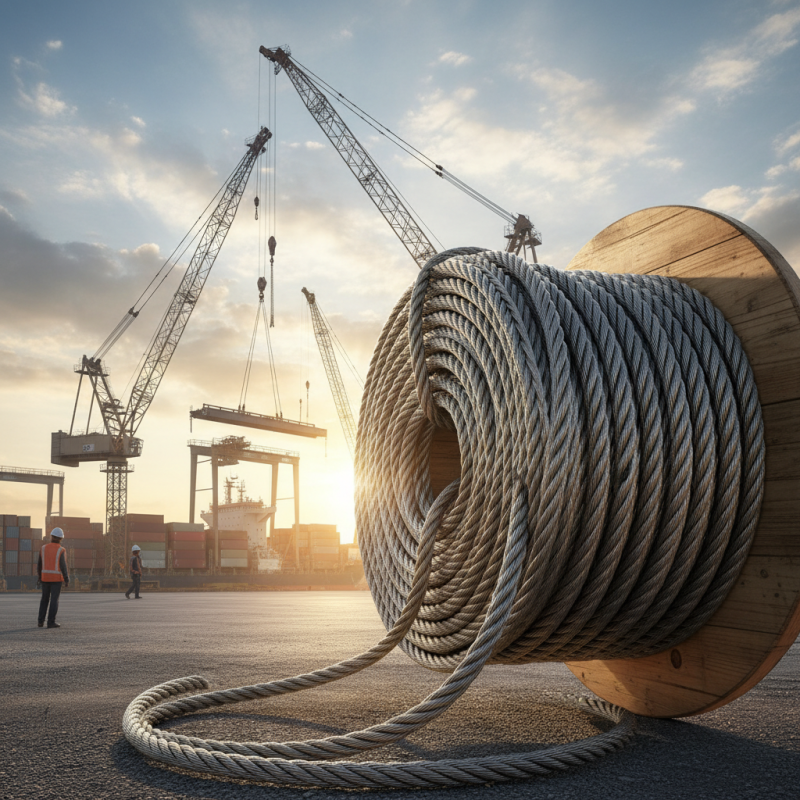
Best Heavy Duty Crane Rope Options for Global Buyers?

Types of Heavy Duty Crane Ropes for Various Applications

Heavy duty crane ropes are critical in various industries. Choosing the right type depends on the specific application. Common types include wire ropes, synthetic ropes, and specialized ropes for extreme conditions. Each type has distinct features suited for particular tasks.

Wire ropes are durable and offer high tensile strength. They perform well in construction and heavy lifting. However, they can be heavy and require regular maintenance. Synthetic ropes, often made from materials like nylon or polyester, are lighter. They offer flexibility and are resistant to abrasion. Yet, they may not handle extreme high temperatures as effectively.

Tips: Always assess the load requirements before selecting a rope. Consider environmental factors that may affect durability. Also, ensure proper storage to extend the lifespan of the rope used.

Specialized ropes are designed for demanding scenarios, such as underwater lifting or heavy-duty mining. They often incorporate advanced materials to enhance performance. However, they may come at a higher cost and require expert knowledge for handling.

Choosing the correct crane rope isn't straightforward. Mistakes can lead to accidents or equipment damage. Take the time to research your options thoroughly.

Best Heavy Duty Crane Rope Options for Global Buyers

This bar chart illustrates the weight capacity of various types of heavy duty crane ropes. Steel wire ropes have the highest capacity, making them an excellent choice for heavy lifting, while synthetic and fiber ropes are suitable for lighter applications.

Key Features to Consider When Choosing Crane Ropes

When selecting heavy-duty crane ropes, specific features are essential for optimal performance. The material is a primary consideration. Steel wire rope and synthetic ropes are the most common options. Steel ropes have higher tensile strength and durability. According to industry reports, they can withstand loads exceeding 100 tons. Synthetic ropes are lighter and easier to handle, making them appealing for reduced labor fatigue.

Another vital aspect is the rope construction. 7x19 and 6x36 are popular configurations in the market. The 7x19 structure offers flexibility, while 6x36 provides superior strength. Ropes should also comply with relevant safety standards. Not adhering to these guidelines can lead to significant hazards. A proper inspection regime is necessary to ensure the ropes remain in good condition.

Finally, consider the rope diameter and length. This can have a direct impact on lifting capacity. Typically, a thicker rope can handle more weight. However, it also adds to the overall weight of the equipment. Keep in mind that the environment plays a role, too. For example, ropes exposed to harsh weather may require additional protective coatings. Balancing all these factors is crucial for selecting the best crane rope for specific operations.

Top Global Manufacturers of Heavy Duty Crane Ropes

In the global market for heavy-duty crane ropes, several manufacturers stand out due to their expertise and innovative designs. These companies invest heavily in research and development, ensuring their products meet industry standards. Their ropes are engineered to withstand extreme conditions, providing reliable performance in various applications.

Manufacturers highlight the importance of using high-quality materials. This often includes advanced synthetic fibers that offer superior strength and durability. Some producers focus on the integration of safety features, enhancing user confidence during lifting operations. It’s essential to consider the certifications these manufacturers hold, indicating adherence to international safety protocols.

However, buyers should reflect on their specific needs before selecting a supplier. Variations in rope design and capability can challenge even experienced users. Understanding the specific requirements of your operation can facilitate a better choice. Also, price differences among suppliers may raise questions about quality and service. Selecting the right manufacturer is not always straightforward.

Comparative Analysis of Material Strength and Durability

When selecting heavy-duty crane ropes, material strength and durability are essential factors. Buyers should evaluate the rope's tensile strength to ensure it can handle the required loads without failure. Various materials are available, such as steel, synthetic fibers, and composite options. Each material has its advantages and limitations, which can significantly impact performance under different conditions.

Steel ropes are strong and resistant to abrasion. They withstand high stress but can suffer from corrosion. Regular maintenance, including inspections, is crucial to extend their lifespan. In contrast, synthetic ropes are lighter and more flexible. They tend to absorb shock better and are less likely to rust. However, they may have a lower tensile strength compared to steel. Understanding these differences helps users choose effectively.

Tip: Always check the manufacturer's specifications for load limits. Consider the working environment, as factors like temperature and moisture levels can affect rope performance. Don’t overlook the importance of routine inspections. Cracks, frays, or corrosion can indicate potential failure risks. Prioritize safety by adhering to a defined maintenance schedule.

Cost Considerations and Budgeting for Crane Rope Purchases

When budgeting for heavy-duty crane rope purchases, several factors come into play. Understanding these can help manage costs while ensuring quality. Not all ropes are the same, and prices can vary widely. Material choice, length, and load capacity all impact pricing.

Tip: Prioritize essential features based on your specific needs. High-tensile strength might be non-negotiable for some operations, while others could focus on cost savings.

Reevaluating your options is crucial. Some ropes provide excellent durability at a higher initial cost, potentially saving money in the long run. Analyze your workload frequency and conditions to choose wisely.

Tip: Consider bulk purchases if your operation demands frequent replacements. This can lead to significant savings over time. Balancing cost with the right specifications ensures safety and performance.

FAQS

: What are the common types of heavy-duty crane ropes?

: Common types include wire ropes, synthetic ropes, and specialized ropes for extreme conditions.

What are the advantages of wire ropes?

Wire ropes offer high tensile strength and durability. They are ideal for heavy lifting in construction.

Are synthetic ropes lighter than wire ropes?

Yes, synthetic ropes made from materials like nylon are lighter and more flexible.

Can synthetic ropes perform well in extreme temperatures?

No, synthetic ropes may struggle in very high temperatures compared to wire ropes.

What should be assessed before selecting a crane rope?

Always assess the load requirements and consider environmental factors affecting durability.

Why are specialized ropes significant?

Specialized ropes are designed for demanding tasks like underwater lifting but may require expert handling.

How can costs be managed when purchasing crane ropes?

Analyze material, length, and load capacity to control costs while ensuring quality.

Should high-tensile strength be prioritized?

Yes, for some operations, high-tensile strength may be essential, while others might focus on cost savings.

What is a good tip for budget-conscious buyers?

Consider bulk purchases for frequently needed ropes to achieve significant savings over time.

How can mistakes in rope selection impact an operation?

Incorrect choices can lead to accidents, equipment damage, or unexpected costs. Research is crucial.

Conclusion

When selecting the best heavy duty crane rope for various applications, it is essential to understand the types available, including synthetic and steel options, each suited for different operational environments. Key features to consider include tensile strength, abrasion resistance, and flexibility, which are crucial for ensuring safety and efficiency in lifting operations.

A comparative analysis of material strength and durability highlights the importance of choosing the right rope based on specific needs, while cost considerations play a significant role in budgeting for heavy duty crane rope purchases. By assessing these factors, global buyers can make informed decisions that enhance performance and reduce operational risks, ensuring that their investment meets the demands of their projects.


Aria

Aria

Aria is a dedicated marketing professional with a deep passion for innovative strategies and a keen understanding of our company's product offerings. With a wealth of experience in the industry, Aria excels at crafting engaging content that highlights the unique features and benefits of our......