The global elevator industry relies heavily on high-quality Elevator Steel Wire Rope. This critical component ensures safety and efficiency in vertical transportation systems. According to a recent report by Market Research Future, the elevator wire rope market is projected to reach USD 3.5 billion by 2027, growing at a CAGR of 4.2%.
Expert John Smith, a leading figure in the wire rope manufacturing sector, emphasizes, “The quality of Elevator Steel Wire Rope directly impacts performance and safety.” This highlights the need for buyers to prioritize reliability when selecting suppliers. Many factors play a role, such as rope construction, materials, and certifications.
Buyers often face challenges in sourcing the right products. Some prioritize cost over quality, which can lead to serious issues. Selecting the right Elevator Steel Wire Rope may seem daunting, but it is crucial for long-term success and safety in elevator operations. Responsible sourcing is essential in a rapidly evolving industry.
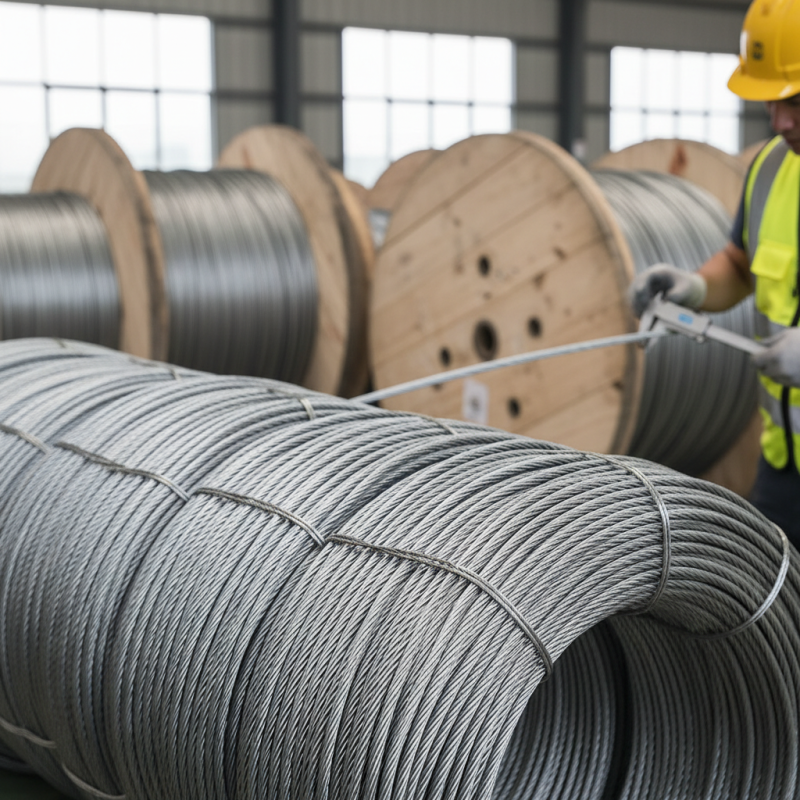
Understanding Elevator Steel Wire Rope: Key Features and Specifications
Elevator steel wire ropes play a vital role in ensuring safety and efficiency in vertical transportation systems. Their key features include high tensile strength and flexibility. Typically made from steel strands, these ropes are designed to withstand significant loads. The number of strands and wires in a rope can affect its performance. A thicker rope can carry heavier weights, while a finer rope offers better flexibility.
When selecting elevator wire ropes, specifications like diameter, construction, and breaking strength matter. The diameter impacts the rope's fitting in elevator sheaves. Construction refers to the arrangement of wires and strands. A well-constructed rope ensures durability and reduces wear. Regular inspections are necessary to evaluate the condition and longevity of these ropes.
Over time, wear and tear can compromise safety, prompting reflection on maintenance practices. While understanding these key features is critical, buyers often overlook the importance of quality assessments. Not every supplier meets rigorous quality standards. Conducting thorough research on materials and manufacturing processes can prevent future issues.
Reliable ropes help maintain operational efficiency, but choosing the wrong type can lead to expensive repairs and unsafe conditions.
Factors Influencing the Selection of Steel Wire Rope for Elevators
When selecting steel wire rope for elevators, several critical factors come into play. The first aspect is tensile strength. It is essential for ensuring that the cable can handle heavy loads, especially in high-rise buildings. A cable with inadequate strength can lead to serious safety issues. Buyers should also consider fatigue resistance. Cables endure repeated stress, and those that are not designed for durability can rust or wear out quickly.
Another important consideration is the rope’s diameter. Larger diameters can provide better load-bearing capacity. However, they may also increase weight and impact installation. The type of lay, whether right-hand or left-hand, influences how the cable performs under tension. A less optimal choice can create uneven wear, leading to potential failure.
Buyers must also think about the operational environment. Elevators in coastal areas face harsher conditions due to humidity and salt. Corrosion-resistant materials may be necessary in such climates. There is often a trade-off between cost and quality, which can lead to regrets later. Investing in high-quality steel wire rope is crucial, but buyers need to weigh their options carefully.
Best Manufacturing Standards and Certifications for Elevator Wire Ropes
When selecting elevator wire ropes, understanding manufacturing standards and certifications is crucial. Various international standards exist, like ISO 22846 and EN 12385, which specify safety and performance metrics. These standards guide manufacturers in producing reliable and durable wire ropes. Compliance ensures that the ropes can withstand the intense loads and dynamic stresses encountered during operation.
The global elevator industry sees a demand for high-quality wire ropes. For instance, a report from the International Organization for Standardization showed that adherence to ISO standards can improve safety by up to 30%. Such statistics highlight the importance of selecting certified products. Many manufacturers claim compliance, yet third-party audits can reveal inconsistencies and quality issues.
Furthermore, the tensile strength of wire ropes is a vital aspect. Industry data suggests that ropes with superior tensile strength often outperform those made under less rigorous standards. However, not all buyers know how to assess this. Transparency in manufacturing processes is lacking. It is essential for buyers to request certification and verification of standards to avoid subpar products. Awareness can lead to more informed decisions and improved elevator safety.
Maintenance Tips for Prolonging the Lifespan of Elevator Steel Wire Ropes
Elevator steel wire ropes are essential components in vertical transport systems. Their longevity plays a crucial role in safety and performance. According to industry reports, improper maintenance can reduce the lifespan of these ropes by up to 50%. Regular inspections and timely replacements are vital for ensuring reliability.
To prolong the life of elevator steel wire ropes, consider implementing a proactive maintenance schedule. This involves checking for fraying, wear, and corrosion. Operators should look for signs of rope fatigue regularly. Additionally, proper lubrication can minimize friction, a major factor in wear. According to a recent study, lubricated ropes can last up to 30% longer than those that are not.
Environmental factors also significantly affect wire rope performance. High moisture levels, temperature fluctuations, and exposure to harsh chemicals can all lead to deterioration. Operators must evaluate their specific environments meticulously. Having a tailored maintenance plan that addresses these variables can make a substantial difference. Remember, even small oversights in maintenance can lead to larger, costly failures down the line. Regular training for maintenance staff is also important in keeping standards high.
Best Elevator Steel Wire Rope Tips for Global Buyers
| Aspect |
Recommendation |
Frequency |
| Visual Inspection |
Check for wear, corrosion, or broken wires |
Monthly |
| Lubrication |
Use appropriate grease to reduce friction |
Every 6 months |
| Load Testing |
Perform dynamic load tests to ensure safety |
Annually |
| Cleaning |
Remove dirt and debris from ropes |
Bi-annually |
| Replacement |
Replace if more than 10% of wires are damaged |
As needed |
Common Challenges and Solutions in Sourcing Elevator Steel Wire Rope Globally
Sourcing elevator steel wire rope globally presents several challenges. One common issue is quality consistency. Manufacturers vary widely in their production methods. This inconsistency can lead to performance issues in elevators, which can be dangerous. Evaluating suppliers thoroughly is essential. Requesting samples and understanding their testing processes can help mitigate risks.
Another challenge is navigating international shipping. Tariffs and customs regulations differ from country to country. They can cause unexpected delays and increased costs. Establishing strong relationships with logistics providers can streamline this process. Additionally, being aware of potential pitfalls in documentation is crucial to avoid disruptions.
Communication barriers can also complicate sourcing. Language differences may lead to misunderstandings about specifications. Clear, detailed contracts can alleviate some of these concerns. Engaging a reliable consultant familiar with local markets can improve outcomes. These steps contribute to a smoother sourcing experience. However, continuous reflection on sourcing strategies remains vital for long-term success.
Conclusion
The article "Best Elevator Steel Wire Rope Tips for Global Buyers" provides a comprehensive overview of the essential aspects that buyers should consider when sourcing elevator steel wire rope. It begins by detailing the key features and specifications that define quality steel wire ropes, emphasizing their strength, flexibility, and durability. The article further explores various factors that influence the selection process, such as load capacity, environmental conditions, and safety requirements.
Additionally, it highlights the best manufacturing standards and certifications that guarantee the reliability and safety of elevator steel wire ropes. Maintenance tips are also discussed to help extend the lifespan of these vital components, alongside common challenges encountered in global sourcing and effective solutions to navigate them. Overall, this guide serves as a valuable resource for buyers looking to make informed decisions in the procurement of elevator steel wire rope, ensuring optimal performance and safety in elevator systems.

 Mei Shen STEEL