When it comes to lifting heavy loads, the choice of Industrial Crane Rope is critical. The right rope significantly influences safety, efficiency, and overall operational costs. According to recent industry reports, the market for industrial ropes is projected to grow by 5.6% annually, driven by increased construction and manufacturing activities worldwide. This upward trend underscores the importance of selecting the most suitable crane rope.
Understanding the specific requirements of your operations is vital. Factors such as load capacity, environmental conditions, and usage frequency will impact your choice. Not all ropes are created equal. Some options may promise high durability but fall short in practical applications. Emerging technologies have introduced synthetic options, offering better weight-to-strength ratios. However, these innovations often carry a higher price tag.
Many users overlook maintenance in their purchasing decisions. Regular inspections and proper handling are as crucial as selecting the best industrial crane rope. Suppliers often emphasize durability, but it is essential to consider wear and tear over time. Additionally, assessing the manufacturer’s credibility and warranty policies can help ensure a reliable investment. Be ready to dive deep into specifications and performance ratings before making your final decision.
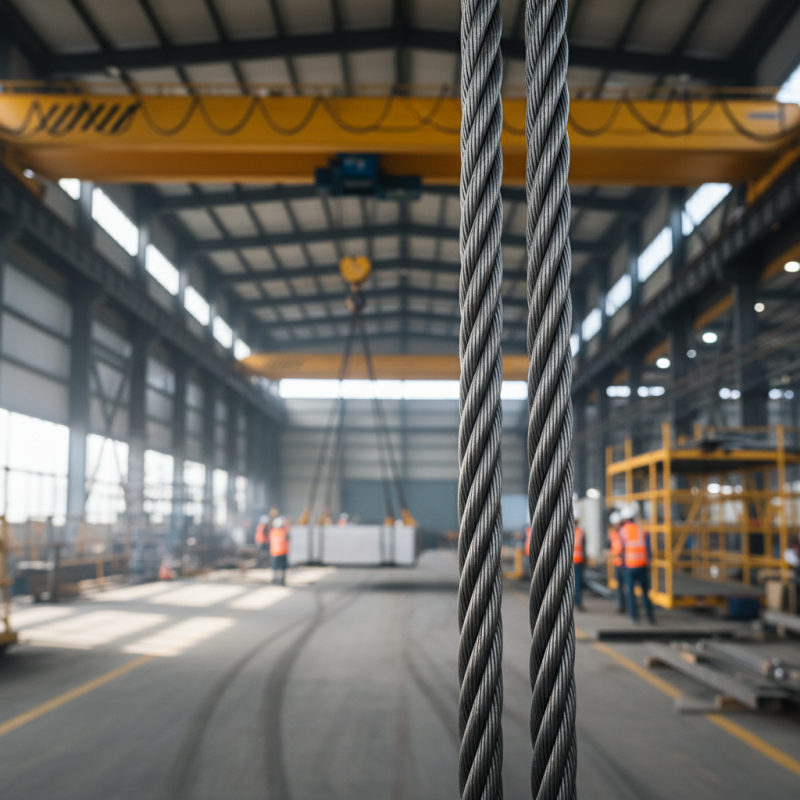
When selecting industrial crane ropes, understanding their types is crucial. There are several types prevalent in the industry, each designed for specific applications. Wire rope, for example, is commonly used for its high tensile strength. According to a report by the Industrial Crane Manufacturers Association, wire ropes can have a breaking strength of over 100 tons. This makes them ideal for heavy lifting tasks.
Synthetic ropes, such as those made from high-modulus polyethylene, offer unique benefits. They are lightweight and resistant to corrosion, which is a major advantage in harsh environments. Some reports signal a growth in synthetic rope use by 15% over the next five years. These ropes can reduce fatigue and offer better handling for the operator.
Tips: Always check the rope’s specifications, including its load capacity and environmental resistance. Regular inspections are vital to ensure safety and function. Consider the working environment as well; abrasive materials can drastically reduce the lifespan of any type of rope. Select wisely, as the right choice can improve efficiency and safety in your operations.
Selecting the right crane rope is crucial for efficient operations. Several key factors influence this decision. First, consider the load capacity. It must match or exceed the weight you intend to lift. An insufficient capacity can lead to accidents and costly downtime. Also, look at the rope material. Steel ropes offer durability, while synthetic ropes are lighter and often easier to handle.
Furthermore, the flexibility of the rope is important. A flexible rope can navigate around pulleys without crimping or breaking. Evaluate the environmental conditions as well. Exposure to chemicals, moisture, or extreme temperatures can affect the rope's lifespan. Finally, think about the length needed. A rope that's too short limits functionality, while one that's excessively long can create hazards.
Sometimes, selecting a rope can feel overwhelming. Many factors intertwine, and mistakes may arise if all aspects aren’t carefully reviewed. Seek out specialists for guidance. They can provide insights tailored to your specific needs. Combining experience and knowledge with practical considerations often leads to the right choice. Remember, it's about striking the right balance for safety and efficiency.
| Rope Type | Max Load Capacity | Diameter | Material | Recommended Use |
|---|---|---|---|---|
| Steel Wire Rope | 10 tons | 12 mm | Steel | Heavy lifting in construction |
| Synthetic Rope | 8 tons | 10 mm | Polyester | Lightweight operations |
| Polypropylene Rope | 5 tons | 14 mm | Polypropylene | General lifting and towing |
| Nylon Rope | 6 tons | 10 mm | Nylon | Rigging and mooring |
| Braided Rope | 3 tons | 8 mm | Cotton | Light-duty tasks |
When selecting industrial crane ropes, materials play a crucial role. Steel wire ropes are commonly used due to their strength and durability. They are ideal for heavy lifting tasks. These ropes can resist wear and provide excellent tensile strength. However, they can be heavy and may require additional maintenance.
Synthetic ropes have gained popularity in recent years. Made from materials like nylon or polyester, they are lightweight and flexible. Synthetic options reduce strain on cranes and are easier to handle. They also offer resistance to chemicals and UV light, extending their lifespan. Yet, they may not match the heavy lifting capability of steel ropes.
Each material has its benefits and limitations. The choice depends on the specific lifting needs and environment. Users should reflect on safety factors and operational demands. Understanding these details ensures the right decision is made, ultimately improving efficiency and safety.
Maintenance is key to ensuring the longevity of crane ropes. Regular inspections are crucial. Look for signs of wear or fraying. Even minor damages can escalate quickly. It’s important to check the entire length of the rope. Pay attention to areas that bend or rub, as these are more susceptible to damage.
Keep the ropes clean. Dirt and debris can create friction that leads to wear. After each use, inspect for debris. A simple wash can significantly extend the rope's lifespan. Store the ropes properly when not in use. Avoid leaving them in direct sunlight or extreme temperatures, as this can weaken the fibers.
Over time, all ropes will show signs of aging. It's normal to question if they are still safe to use. Reflect on the last maintenance check. Are you following a consistent schedule? A routine ensures that potential issues are addressed before they become severe. Engage with experts if you're unsure about the condition of your ropes. Their input can provide valuable insights and enhance operational safety.
When shopping for industrial crane ropes, many questions arise. What material should you choose? Synthetic fibers are lightweight and resistant to corrosion. Steel ropes offer high strength but can be heavier and more prone to wear. Each material has its pros and cons, making the choice critical for safety and performance.
Another common query is about rope maintenance. Regular inspections can significantly extend the rope's lifespan. Look for signs of fraying or corrosion. Proper storage also plays a role. Ropes should be kept dry and away from direct sunlight when not in use. Neglecting these factors could lead to unexpected failures during operation.
What about weight capacity? It's vital to know the specific loads your crane will handle. Overloading can jeopardize safety and equipment integrity. Always consider the manufacturer's guidelines. Understanding these aspects can help avoid mishaps. Keeping safety as a priority is non-negotiable in industrial settings.
: Steel wire ropes and synthetic ropes are common. Steel is strong, while synthetic options are lightweight and flexible.
Steel ropes offer excellent tensile strength and durability. They are ideal for heavy lifting tasks.
While lightweight and flexible, synthetic ropes may not handle heavy lifting as well as steel ropes.
Regular inspections are crucial. Check for wear, fraying, and any signs of damage.
Dirt and debris create friction. Regular cleaning can significantly extend the lifespan of the ropes.
Store ropes away from direct sunlight and extreme temperatures to prevent weakening of fibers.
Look for fraying or visible wear. Reflect on the last maintenance check if unsure.
Engage with experts to get their insights. They can help enhance operational safety and address concerns.
A consistent maintenance schedule helps identify issues early, before they lead to severe problems.
Yes, it’s common to question safety as ropes age. Regular checks reinforce confidence in their condition.
The "2026 Top Industrial Crane Rope Buying Guide and FAQs" provides a comprehensive overview for anyone looking to purchase industrial crane ropes. It begins with an exploration of the different types of industrial crane ropes, highlighting their specific applications and advantages. The guide emphasizes key factors to consider when selecting the right crane rope, including load capacity, flexibility, and resistance to environmental conditions.
In addition, it details the best materials used in industrial crane ropes, discussing their benefits such as strength, durability, and lightweight characteristics. Practical maintenance tips are also provided to help ensure the longevity of crane ropes, allowing users to maximize their investment. Lastly, common FAQs are addressed, making it easier for buyers to navigate the process of shopping for and using industrial crane ropes effectively.

Mei Shen STEEL